Key Takeaways
- Czech pilsners deliver balanced malt-hop profiles with Saaz hop spice and golden color
- German pilsners emphasize dry, bitter finishes with firm noble hop character
- American craft pilsners use modern hops for citrus and floral aromatics
- Refreshing pilsners require cold lagering for 4-8 weeks to develop clean crispness
- Proper serving temperature (38-42°F) and glassware maximize pilsner refreshment
- The best pilsners pair exceptionally with lighter foods, seafood, and salads
What Makes a Pilsner Refreshing?
A pilsner achieves its refreshing character through a precise combination of brewing science and ingredient selection. The most refreshing pilsners undergo cold lagering at 34-38°F for minimum four weeks, allowing yeast to create exceptionally clean flavor profiles free from fruity esters or fermentation off-flavors. According to the Brewers Association, this extended cold conditioning distinguishes true pilsners from faster-fermented pale lagers.
The refreshing sensation comes from three structural elements working together. First, pilsner malt provides delicate sweetness without heaviness — typically 95-100% pilsner malt with minimal specialty grains. Second, noble hops (Saaz, Hallertau, Tettnang, Spalt) contribute herbal, floral, and spicy bitterness rather than aggressive citrus punch. Third, high carbonation levels (2.5-2.7 volumes CO₂) create effervescent mouthfeel that cleanses the palate.
Water chemistry plays a crucial but often overlooked role. The original Bohemian pilsner style from Plzeň used extremely soft water (low mineral content), which allows delicate hop character to shine without harsh bitterness. German pilsners utilize slightly harder water that accentuates hop bite and dry finish. Modern brewers adjust mineral profiles to replicate these regional characteristics.
Why Are Czech Pilsners Considered the Gold Standard?
Czech pilsners represent the original pilsner template created in 1842 in Plzeň (Pilsen), Bohemia. Pilsner Urquell remains the category benchmark, featuring 100% floor-malted Moravian barley, whole-cone Saaz hops, and soft Plzeň water. The result is a balanced, rounded lager with more pronounced malt sweetness than German interpretations, coupled with distinctive Saaz hop character described as earthy, herbal, and gently spicy.
According to brewing records maintained by CraftBeer.com, authentic Czech pilsners achieve their signature golden color (3-6 SRM) and full white head through decoction mashing — a traditional process where portions of the mash are boiled and returned to the main mash. This creates melanoidins that add subtle bread-crust complexity without roasted flavors.
The Czech approach prioritizes drinkability over intensity. IBU levels typically range 30-45, providing pleasant bitterness without palate fatigue. ABV stays moderate at 4.2-5.8%, making these pilsners sessionable. The mouthfeel is medium-light with smooth carbonation that feels creamy rather than prickly — a textural quality that enhances refreshment during extended drinking sessions.
Related: What Is the Smoothest Coffee to Drink — Best Picks | WhichBrewForYou
Modern Czech pilsners worth exploring include Budweiser Budvar (the original Budweiser, unrelated to the American brand), Kozel Premium, and Staropramen. Each maintains traditional brewing methods while offering subtle regional variations in hop character and malt sweetness. These beers demonstrate why Czech pilsner remains the most imitated beer style globally.
How Do German Pilsners Differ in Refreshing Character?
German pilsners evolved from the Czech template but developed a distinctly drier, more bitter profile suited to northern European palates. The style emphasizes hop-forward character with crisp, clean finishes that leave minimal residual sweetness. Where Czech pilsners balance malt and hops equally, German pilsners showcase noble hop bitterness as the dominant flavor component.
Regional German pilsners vary considerably. Northern German pils (Hamburg, Bremen) tend toward extreme dryness and pronounced bitterness, sometimes approaching 40-45 IBU. Bavarian pilsners from breweries like Weihenstephaner and Paulaner present slightly softer profiles with more evident malt character, though still drier than Czech versions. Research published in the Journal of the Institute of Brewing shows German pilsners typically finish with 1.5-2.5°P final gravity compared to 2.5-3.5°P for Czech styles.
The German brewing philosophy emphasizes purity and precision. The Reinheitsgebot (German Beer Purity Law) restricts ingredients to water, malt, hops, and yeast — no adjuncts, no shortcuts. This constraint pushes brewers to achieve complexity through process rather than additions. Extended lagering periods (6-12 weeks for premium examples) allow flavors to integrate completely, producing pilsners with almost distilled clarity of flavor.
Top German pilsners for refreshing character include Weihenstephaner Pils (perhaps the world's most technically perfect pilsner), Jever Pilsener (intensely bitter and dry), Bitburger Premium Pils (balanced and widely available), and Augustiner Lagerbier Hell (technically a helles but shares pilsner crispness). Each demonstrates the German commitment to clean, unadorned lager brewing executed at the highest level.
What American Craft Pilsners Deliver Maximum Refreshment?
American craft breweries have reimagined pilsner by applying New World hops and modern brewing techniques to the classic lager template. The result is a spectrum ranging from traditional interpretations to hop-forward hybrids that blur style boundaries. The best American craft pilsners maintain lager crispness while introducing citrus, floral, and tropical hop aromatics impossible with traditional noble hops alone.
Firestone Walker Pivo Pils exemplifies the American approach: clean pilsner malt base, assertive bitterness (40 IBU), and Saaz hops supplemented with Sterling and Czech Saaz for herbal-citrus character. The brewery employs true cold lagering and Hungarian oak fermentation tanks that add subtle complexity. According to American Homebrewers Association style guidelines, American pilsners may range 25-40 IBU with more aggressive hop presence than German versions.
Other standout American craft pilsners include Victory Prima Pils (East Coast classic with German yeast and Saaz-Tettnang noble hops), North Coast Scrimshaw Pilsner (delicate and precisely balanced), and Oskar Blues Mama's Little Yella Pils (dry-hopped for aromatic intensity). These beers prove that innovation and tradition can coexist when brewers respect the fundamental pilsner structure.
What makes these American versions refreshing is their emphasis on hop aroma without overwhelming bitterness. Many employ late hop additions, whirlpool hops, or gentle dry-hopping to boost fragrance while maintaining clean finishes. The combination of lager fermentation cleanliness with IPA-adjacent hop character creates uniquely American refreshment profiles.
Which Pilsner Styles Work Best for Different Occasions?
| Occasion | Best Pilsner Style | Why It Works | Recommended Examples |
|---|---|---|---|
| Outdoor BBQ/Grilling | German Pils | High carbonation cuts through rich meats; dry finish prevents palate fatigue | Weihenstephaner Pils, Bitburger |
| Seafood Pairing | Czech Pils | Balanced sweetness complements delicate flavors without overpowering | Pilsner Urquell, Budvar |
| Hot Weather Drinking | American Craft Pils | Aromatic hops provide interest; moderate ABV maintains sessionability | Firestone Pivo, Victory Prima |
| Beer Garden/Social | Czech or German | Traditional styles in traditional settings; large-format servings work well | Staropramen, Paulaner Pils |
| Fine Dining | Premium German Pils | Refined, complex; pairs with courses without overwhelming food | Weihenstephaner, Schönramer |
Occasion-based selection also depends on serving format. Czech pilsners shine in traditional half-liter mugs where creamy head and malt sweetness can be appreciated over time. German pilsners excel in standard pint glasses that showcase clarity and maintain carbonation. American craft pilsners often come in 12-16 oz cans optimized for portable freshness.
Related: French Press vs Pour Over: When to Choose Which | WhichBrewForYou
How Does Proper Serving Temperature Affect Pilsner Refreshment?
Serving temperature dramatically impacts pilsner refreshment and flavor perception. The ideal serving range for pilsners is 38-42°F, cold enough to emphasize crispness but warm enough to allow hop and malt nuances to express themselves. Research from the Institute of Food Technologists shows that beer served below 35°F suppresses flavor compounds, while beer above 45°F loses refreshing character and produces excessive foam.
Most refrigerators operate at 37-40°F, making them acceptable for pilsner storage and serving. However, the beer will warm approximately 2-3°F per minute once poured, so pilsners benefit from pre-chilled glassware. Professional beer bars often maintain dedicated pilsner glasses in freezers or ice baths to extend optimal drinking temperature windows.
Temperature affects carbonation perception as well. Colder beer holds CO₂ in solution more effectively, producing finer bubbles and longer-lasting heads. As pilsner warms past 45°F, carbonation releases more rapidly, creating harsh bubbles and flat mouthfeel. This explains why pilsners drunk slowly in warm environments often disappoint in later pours — the beer has exceeded its optimal thermal range.
Different pilsner styles have slightly different temperature sweet spots. Czech pilsners, with their maltier profiles, can tolerate 40-44°F to allow bread and honey notes to emerge. German pilsners perform best at 38-40°F where hop bitterness stays crisp and clean. American craft pilsners with aromatic hops benefit from 40-42°F to volatilize hop oils without suppressing them.
What Glassware Maximizes Pilsner Refreshment?
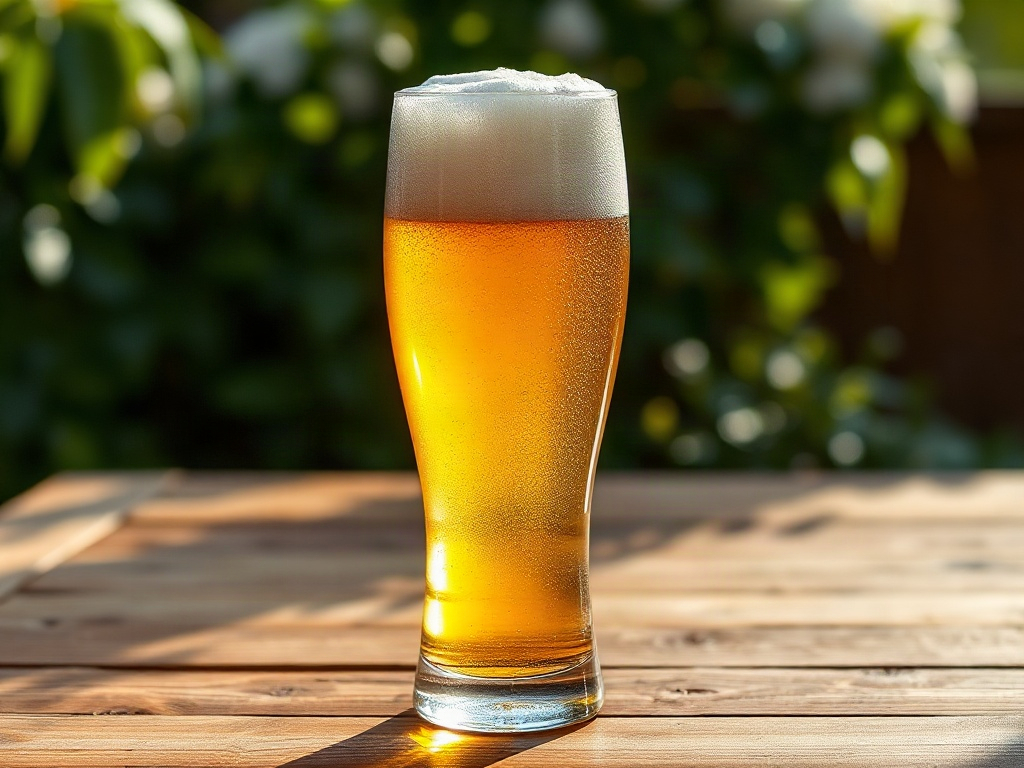
Proper glassware shapes the pilsner drinking experience through visual presentation, aroma concentration, and head retention. The traditional pilsner glass — a tall, tapered flute with slight outward flair at the rim — remains the optimal vessel for most pilsner styles. This shape showcases the beer's brilliant clarity, supports a substantial foam head, and concentrates hop aromatics toward the nose.
The pilsner flute's geometry serves functional purposes beyond aesthetics. The narrow base minimizes surface area contact with warm hands, keeping beer colder longer. The tapered middle creates nucleation points that maintain steady carbonation streams, producing hypnotic visual appeal. The slight outward flair at the top captures and concentrates volatile hop compounds while providing comfortable lip contact.
According to BJCP judging protocols, proper pilsner pours should produce 1-1.5 inches of dense, rocky white head that persists throughout drinking. This head is not merely decorative — it protects beer from oxidation, concentrates aromatics, and provides textural contrast to the liquid beer. Achieving proper head requires clean, nucleated glassware and appropriate pour technique.
Alternative glassware can work for specific contexts. The German Seidel (handled stein) suits beer garden settings where volume and convenience matter. Standard pint glasses serve acceptable function when pilsner-specific glassware is unavailable. The key is ensuring the glass is spotlessly clean — any residual oils, detergent, or debris will destroy head retention and carbonation, severely compromising refreshment.
How Do Pilsner Ingredients Create Refreshing Flavor Profiles?
Pilsner ingredients work in concert to produce the style's characteristic refreshing quality. The foundation is pilsner malt — pale, lightly kilned barley malt that contributes delicate grain sweetness, honey notes, and subtle bread character without caramel or roasted flavors. High-quality pilsner malt from Moravian or German maltsters undergoes precise kilning at 176-185°F, preserving enzymatic power while developing just enough color (1.5-2°L) to produce the style's golden hue.
Noble hops — Saaz, Hallertau Mittelfrüh, Tettnang, and Spalt — define pilsner hop character. These varieties contain high percentages of humulene and low cohumulone, creating refined bitterness that tastes herbal, floral, and spicy rather than resinous or citrus-forward. Research published in the Journal of Agricultural and Food Chemistry identifies these noble hop compounds as key contributors to European lager flavor stability.
Water chemistry influences pilsner flavor more than most beer styles. Soft water (low calcium, low sulfate) allows malt sweetness and delicate hop character to shine — the profile used in Plzeň, Czech Republic. Moderate-hardness water with balanced minerals suits German pilsners where firmer bitterness is desired. Many craft brewers use reverse osmosis water and build mineral profiles from scratch, ensuring complete control over final flavor.
Yeast choice determines whether brewing produces a true pilsner or merely a pale lager. Authentic pilsner yeasts (Saccharomyces pastorianus strains like W-34/70 or Czech-origin cultures) ferment cleanly at 48-56°F, producing minimal esters or phenols. The yeast's cold tolerance and flocculation characteristics allow extended lagering that creates the exceptionally clean flavor profile pilsners are known for. Shortcuts using ale yeast at cold temperatures can approximate pilsner appearance but never achieve genuine pilsner character.
What Brewing Techniques Produce the Most Refreshing Pilsners?
Traditional pilsner brewing techniques prioritize clarity, crispness, and flavor purity over speed or efficiency. Decoction mashing — the practice of removing portions of the mash, boiling them, and returning them to the main mash — remains standard for many Czech pilsners. This labor-intensive process develops rich malt complexity and improved extract efficiency, though modern infusion mashing can produce excellent results with high-quality malts.
The boil phase for pilsners typically runs 90 minutes (compared to 60 minutes for ales), driving off DMS precursors that would create cooked corn or cabbage off-flavors. First wort hopping — adding hops to the kettle before the boil begins — creates smoother bitterness integration. Multiple hop additions throughout the boil build layered hop character, with late additions (final 15 minutes) contributing more aroma than bitterness.
Fermentation temperature control separates great pilsners from mediocre ones. Primary fermentation occurs at 48-54°F for 7-10 days, slow enough to minimize ester production. After primary fermentation completes, temperature may be raised slightly (55-58°F) for a diacetyl rest that allows yeast to reabsorb buttery compounds. The beer then undergoes lagering at 32-38°F for 4-12 weeks depending on desired refinement level.
According to professional brewing standards, this extended cold conditioning allows remaining yeast and proteins to flocculate and settle, produces smooth mouthfeel through natural carbonation, and allows flavors to meld into cohesive profiles. Breweries that rush this process with accelerated lagering techniques or centrifugation can achieve clarity but rarely match the refined character of traditionally lagered pilsners.
People Also Ask About Best Pilsners
What is the difference between pilsner and lager?
Pilsner is a specific style within the lager family, characterized by pale golden color, noble hop character, and crisp finish. All pilsners are lagers, but not all lagers are pilsners — the category includes darker Munich lagers, malty dunkels, and countless other styles. Pilsners specifically use pilsner malt and noble hops with cold lagering.
Why do pilsners taste so crisp?
Pilsner crispness results from cold fermentation (48-54°F) that minimizes fruity esters, extended lagering that removes rough edges, high carbonation (2.5-2.7 volumes CO₂), and dry finishes with low residual sugar. The combination creates clean, refreshing mouthfeel that distinguishes pilsners from ale styles.
Are Czech pilsners stronger than German pilsners?
Both styles typically range 4.5-5.5% ABV with similar strength. The difference lies in flavor balance — Czech pilsners emphasize malt-hop equality with rounded sweetness, while German pilsners showcase drier, more bitter profiles. Neither style is consistently stronger, though individual examples vary.
How Should You Store Pilsners for Maximum Freshness?
Pilsner freshness degrades rapidly when exposed to light, heat, or oxygen. Store pilsners in dark, cold conditions (34-40°F) and consume within 90-120 days of packaging for optimal flavor — fresher is always better. Unlike barrel-aged beers or Belgian strong ales that can improve with age, pilsners are at their peak immediately after packaging and decline steadily thereafter.
Light exposure causes "skunking" — a photochemical reaction between ultraviolet light and hop compounds that produces 3-methyl-2-butene-1-thiol, the same compound in skunk spray. This happens within minutes in direct sunlight, hours in fluorescent light. Brown glass bottles offer best protection, followed by cans (complete light barrier), with green and clear glass providing minimal defense. Always store pilsners in dark conditions regardless of packaging.
Temperature fluctuations accelerate staling through oxidation reactions. According to research from Food Chemistry journals, beer stored at 70°F ages approximately eight times faster than beer held at 38°F. This explains why pilsners from gas station coolers (often stored warm and sold warm) frequently taste stale compared to properly cold-chained bottles from specialty retailers.
Oxygen exposure during packaging or storage creates cardboard, papery, or sherry-like flavors. Modern canning lines achieve oxygen levels below 50 ppb (parts per billion), far superior to typical bottling. However, once opened, pilsners oxidize quickly — finish opened bottles within 24 hours, store with minimal headspace, and never pour beer back into bottles after pouring.
What Foods Pair Best with Refreshing Pilsners?
Pilsners' clean profiles and moderate bitterness make them exceptionally versatile food pairing beers. The refreshing carbonation and crisp finish cleanse the palate between bites, preventing flavor fatigue during multi-course meals. Lighter foods that won't overwhelm delicate pilsner flavors — seafood, salads, white meats, fresh cheeses — create harmonious pairings that enhance both food and beer.
Seafood represents an ideal pilsner pairing category. Czech pilsners complement delicate fish preparations — grilled branzino, pan-seared scallops, shrimp cocktail — where malt sweetness balances natural seafood sweetness. German pilsners cut through richer preparations like fish and chips or seared salmon, with hop bitterness countering oily richness. The classic Czech combination of pilsner with fresh oysters showcases both elements at their purest.
Poultry and pork suit pilsner's moderate intensity. Roasted chicken, turkey sandwiches, pork schnitzel, and grilled sausages all pair beautifully with German or American pilsners. The beer's bitterness balances richness while carbonation refreshes. Traditional German beer gardens have perfected the pilsner-pork pairing through centuries of empirical testing.
Fresh cheeses — mozzarella, burrata, fresh chèvre, mild cheddar — complement pilsner without competing. The beer's clean finish prevents cheese richness from overwhelming the palate. Avoid intensely aged or blue cheeses that would overpower subtle pilsner flavors. Lighter preparations like caprese salad, cheese plates with fruit, or simple cheese and crackers work exceptionally well.
Salads, vegetables, and grain-based dishes create surprisingly excellent pilsner pairings. The beer's malt provides subtle sweetness that enhances vegetable natural sugars, while hop bitterness balances vinaigrettes and lemon-based dressings. Caesar salad with anchovies, asparagus with hollandaise, and grain bowls with grilled vegetables all benefit from pilsner accompaniment.
How Can Home Brewers Create Refreshing Pilsners?
Home brewing an authentic, refreshing pilsner presents unique challenges but delivers exceptional satisfaction. Success requires precise temperature control during fermentation and lagering, high-quality fresh ingredients, and patience — shortcuts in pilsner brewing always show in the final product. Equipment needs include fermentation temperature control (refrigerator or temperature-controlled chamber capable of maintaining 48-54°F) and extended lagering capacity.
Start with a simple recipe: 95-100% pilsner malt (German or Bohemian depending on style), 25-40 IBU from single noble hop variety (Saaz for Czech, Hallertau for German), authentic pilsner yeast strain, and water adjusted to match regional profiles. According to American Homebrewers Association guidance, resist adding specialty malts or multiple hop varieties — pilsner simplicity demands quality over complexity.
The brewing process requires attention to detail. Mash at 148-152°F for 60-90 minutes to achieve appropriate fermentability. Boil for 90 minutes, adding first-wort hops or bittering additions at the beginning, flavor hops at 20-30 minutes, and aroma hops at 5-10 minutes. Chill rapidly to pitching temperature (48-52°F) to minimize DMS production.
Fermentation and lagering timelines cannot be rushed. Pitch adequate yeast (1.5-2 million cells per mL per °P), ferment at 48-54°F for 7-10 days, perform diacetyl rest at 55-58°F for 2-3 days, then lager at 32-38°F for minimum four weeks (six to eight weeks produces noticeably smoother results). The extended timeline separates authentic pilsners from "pilsner-style" ales. Carbonate to 2.5-2.7 volumes CO₂ and package in bottles or kegs that minimize oxygen exposure.
Expert Verdict: Choosing Your Perfect Pilsner
The best pilsner for refreshing taste depends on your flavor preferences and drinking context. For balanced, approachable character, Czech pilsners like Pilsner Urquell deliver malt-hop harmony with universal appeal. For dry, crisp refreshment, German pilsners such as Weihenstephaner Pils showcase technical brewing perfection. For modern hop aromatics with lager cleanliness, American craft pilsners like Firestone Walker Pivo Pils provide innovation without abandoning tradition.
Regardless of style, the most refreshing pilsners share common elements: quality ingredients, proper cold lagering, appropriate carbonation, and thoughtful serving. Seek out pilsners with recent packaging dates, store them cold and dark, serve at 38-42°F in proper glassware, and consume within 90 days. These practices ensure you experience pilsners as their brewers intended — as perhaps the world's most refreshing beer style.
The pilsner category continues expanding in 2026, with craft breweries worldwide interpreting the style through regional lenses while respecting its fundamental structure. Whether you prefer traditional European examples or innovative American versions, the current pilsner renaissance offers more options than ever before — all delivering the crisp, clean refreshment that has made pilsner the world's most popular beer style for over 180 years.
Article Summary: Best Pilsners for Refreshing Taste
- Czech pilsners balance malt sweetness with Saaz hop spice, while German pilsners emphasize dry, bitter finishes with noble hop character — both deliver exceptional refreshment through different flavor approaches
- American craft pilsners introduce modern hop aromatics while maintaining lager cleanliness, creating uniquely refreshing profiles that blend tradition with innovation
- Proper serving at 38-42°F in pilsner-specific glassware maximizes refreshment by preserving carbonation, concentrating aromatics, and maintaining optimal flavor expression throughout drinking
- Pilsner refreshment derives from cold lagering (4-12 weeks at 32-38°F), high carbonation (2.5-2.7 volumes CO₂), and clean fermentation profiles achieved through precise temperature control
- Store pilsners cold and dark, consume within 90-120 days of packaging, and pair with lighter foods (seafood, poultry, fresh cheeses) to experience the style's full refreshing potential
Frequently Asked Questions
What is the most refreshing pilsner beer?
Weihenstephaner Pils consistently ranks as the most refreshing pilsner due to its perfectly balanced dry finish, noble hop bitterness, clean fermentation profile, and exceptional brewing precision. Czech Pilsner Urquell offers a more balanced malt-forward alternative with equally refreshing character.
How is pilsner different from regular beer?
Pilsner is a pale lager style characterized by cold fermentation at 48-54°F, extended lagering, noble hop character, and crisp dry finish. Regular beer encompasses all styles including ales, darker lagers, and wheat beers. Pilsners specifically emphasize refreshment and clean flavor profiles.
Should pilsner be served ice cold?
No, pilsners should be served at 38-42°F, not ice cold. Temperatures below 35°F suppress hop and malt flavors, while temperatures above 45°F reduce refreshing crispness. Refrigerator temperature (37-40°F) works well, with pre-chilled glassware extending optimal drinking temperature.
Why do pilsners have white foam heads?
Pilsner foam results from high carbonation (2.5-2.7 volumes CO₂), protein content from pilsner malt, and proper pouring technique. The dense white head concentrates aromatics, protects beer from oxidation, and provides textural contrast. Proper head retention indicates quality brewing and clean glassware.
Can you age pilsners like wine?
No, pilsners are best consumed fresh within 90-120 days of packaging. Unlike barrel-aged or high-ABV beers, pilsners degrade with age, developing stale, cardboard, or oxidized flavors. The style's delicate hop character and crisp finish fade rapidly, making freshness essential for optimal refreshment.
What makes Czech pilsner different from German pilsner?
Czech pilsners emphasize balanced malt-hop profiles with more malt sweetness, softer bitterness (30-40 IBU), and Saaz hop character. German pilsners feature drier finishes, more pronounced hop bitterness (35-45 IBU), and firmer noble hop presence. Both achieve refreshment through different flavor balances.
More Coffee Articles
This article was produced by an automated research tool. Content is for informational purposes only and should not replace professional advice. Nothing here is medical advice, and it is not a substitute for it. Talk to a doctor about anything affecting your health. Product and resource links throughout this article are included for informational value based on relevance and quality. WhichBrewForYou has no affiliate relationship with any linked third-party site and receives no commission from any recommended products or brands. BellofattoBrews (coffee and tea) and Golden Hive Mead (mead kits and resources) are personal recommendations from this publication's founder and have no affiliation with WhichBrewForYou.