Key Takeaways
- Whole bean coffee retains aromatic compounds 3-4 times longer than pre-ground coffee due to reduced oxygen exposure
- Pre-ground coffee loses 60% of volatile aromatics within 15 minutes of grinding, according to Food Chemistry research
- Grinding at home takes 20-45 seconds depending on method and brew technique
- Whole beans stay fresh for 2-3 weeks after roasting; pre-ground coffee peaks within 3-5 days
- Burr grinders produce uniform particle size essential for optimal extraction and flavor balance
- Pre-ground coffee offers convenience for travelers, offices, and those prioritizing speed over peak flavor
Why Freshness Matters: The Science of Coffee Degradation
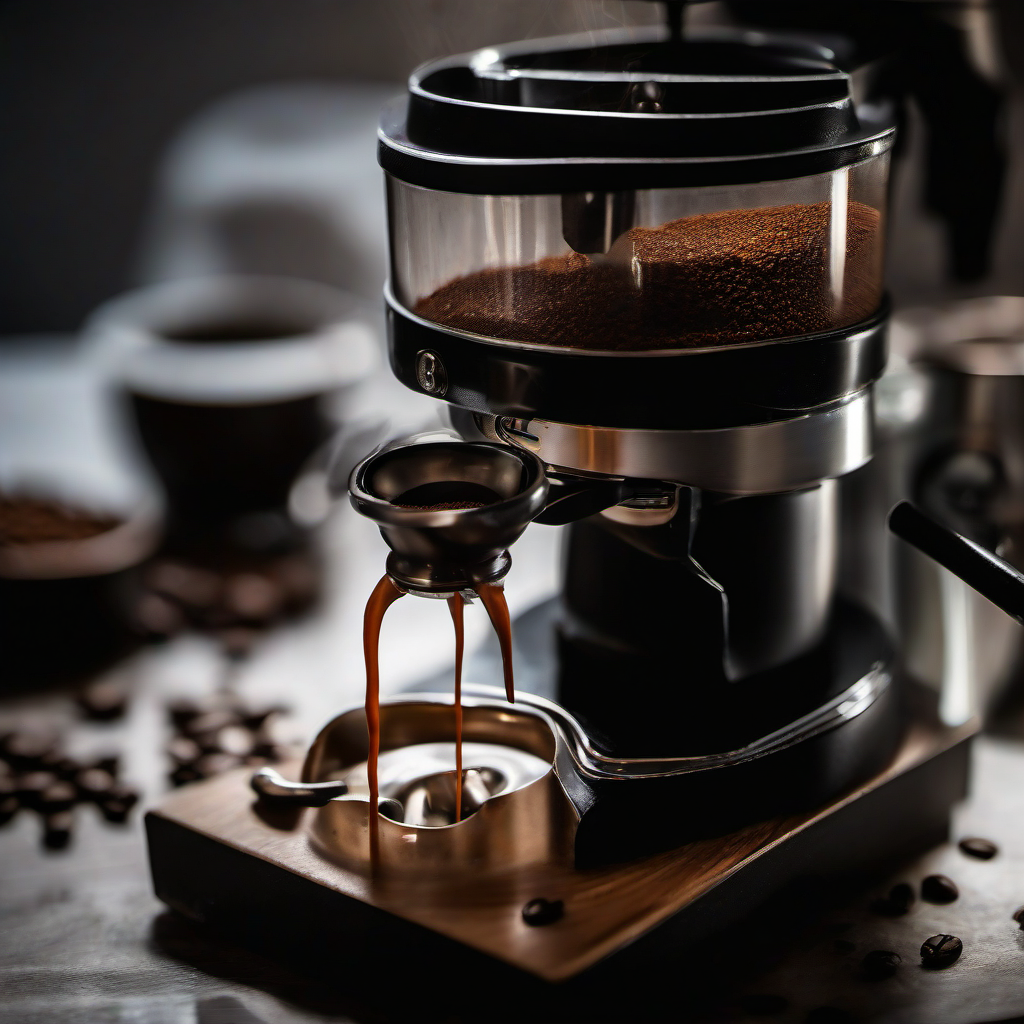
Coffee contains over 800 volatile aromatic compounds that define its flavor profile, and these compounds begin degrading the moment beans are roasted. The difference between whole bean and ground coffee lies in surface area exposure to oxygen, light, and moisture—the three primary enemies of coffee freshness.
When coffee beans are ground, their surface area increases by approximately 10,000 times compared to whole beans. This exponential increase accelerates oxidation, allowing oxygen molecules to penetrate deep into the coffee particles and break down the delicate oils and aromatic compounds that create coffee's distinctive flavors.
A 2023 study in Food Chemistry measured volatile compound retention in whole bean versus ground coffee over time. The research found that ground coffee experienced a 60% loss of key aromatic compounds within 15 minutes of grinding, while whole beans maintained over 90% of their aromatic profile after two weeks of proper storage.
The Specialty Coffee Association recommends consuming coffee within 15-20 minutes of grinding for optimal flavor extraction. For most home brewers following the BellofattoBrews brewing guide, this timeline is easily achievable with minimal equipment investment.
How Long Does Coffee Stay Fresh?
Understanding coffee freshness timelines helps you make informed decisions about purchasing and storage strategies. Coffee freshness follows predictable degradation patterns based on form and storage conditions.
| Coffee Form | Peak Freshness Window | Acceptable Quality Period | Storage Method |
|---|---|---|---|
| Whole Bean (Sealed) | 3-5 days after roasting | 2-3 weeks after roasting | Airtight container, cool dark place |
| Whole Bean (Opened) | 1-2 weeks | 3-4 weeks | Airtight container, minimal air exposure |
| Pre-Ground (Sealed) | 1-3 days after grinding | 5-7 days after grinding | Original vacuum-sealed bag |
| Pre-Ground (Opened) | 24-48 hours | 3-5 days maximum | Airtight container immediately after opening |
| Home-Ground (Fresh) | 15-20 minutes | 2-4 hours | Grind immediately before brewing |
According to the National Coffee Association, coffee reaches its flavor peak 12-24 hours after roasting once carbon dioxide degassing stabilizes. This "resting period" allows flavors to develop fully without the interference of excess CO2, which can create uneven extraction during brewing.
What Are the Real-World Differences in Taste?
The flavor difference between fresh-ground and pre-ground coffee is immediately noticeable to most palates, though the magnitude varies depending on coffee origin, roast level, and brewing method. Light roasts show the most dramatic quality loss when pre-ground because their delicate floral and fruity notes are carried by highly volatile aromatic compounds.
Fresh-ground coffee exhibits bright acidity, complex aromatic layers, and a clean finish. The crema on espresso from fresh-ground beans appears thick and stable, with a golden-brown color indicating proper extraction of coffee oils. Pour-over methods using fresh-ground coffee produce a pronounced "bloom" during the initial water contact, releasing trapped CO2 and creating optimal conditions for even extraction.
Pre-ground coffee tastes flatter, with muted aromatics and reduced complexity. The flavor profile simplifies into basic bitter and acidic notes without the nuanced middle tones that define specialty coffee. This degradation occurs because the most volatile aromatic compounds—those responsible for floral, fruity, and tea-like notes—evaporate first after grinding.
Research from the Coffee Research Institute demonstrates that coffee's volatile compounds include aldehydes, ketones, and esters that contribute fruity and floral characteristics. These compounds have low molecular weights and high volatility, making them particularly susceptible to rapid degradation in ground coffee.
Related: Yerba Mate vs Coffee Caffeine — Which Wins? | WhichBrewForYou
Which Grinding Methods Produce the Best Results?
The grinding method you choose impacts both particle uniformity and the preservation of aromatic compounds. Not all grinders are created equal, and understanding the differences helps optimize your investment in whole bean coffee.
Burr Grinders: The Gold Standard
Burr grinders use two revolving abrasive surfaces to crush coffee beans into uniform particles. Particle size consistency is the single most important factor in achieving balanced extraction and preventing over-extraction of fine particles or under-extraction of coarse ones. The Specialty Coffee Association recommends burr grinders for all brewing methods because they produce the narrow particle size distribution necessary for optimal flavor extraction.
Burr grinders come in two types: flat burr and conical burr. Flat burr grinders produce slightly more uniform particles and work well for espresso, while conical burr grinders generate less heat during grinding and preserve more volatile aromatics. Both types dramatically outperform blade grinders in consistency.
Blade Grinders: Budget Option with Limitations
Blade grinders chop coffee beans using a spinning blade, similar to a food processor. This method produces highly irregular particle sizes, ranging from powder-fine to nearly whole-bean-sized chunks within the same batch. The inconsistency leads to simultaneous over-extraction and under-extraction during brewing, creating muddy, bitter flavors alongside sour, underdeveloped notes.
Despite their limitations, blade grinders cost significantly less than burr grinders and remain popular for casual coffee drinkers. If using a blade grinder, pulse in short bursts rather than continuous grinding, and shake the grinder between pulses to redistribute particles for marginally better consistency.
Manual Grinders: Portable Precision
Manual burr grinders offer excellent particle consistency without electricity or counter space requirements. Modern manual grinders feature conical ceramic or steel burrs that rival electric models in grind quality. The grinding process takes 45-90 seconds depending on grind size and bean quantity, making manual grinders ideal for travelers and single-cup brewing.
According to testing by Perfect Daily Grind, high-quality manual grinders produce particle distributions nearly identical to electric burr grinders costing three times as much. The trade-off is time and physical effort rather than grind quality.
How Does Grind Size Affect Coffee Extraction?
Grind size determines the rate of extraction by controlling how quickly water can penetrate coffee particles and dissolve soluble compounds. Each brewing method requires a specific grind size range for optimal results, and pre-ground coffee's one-size-fits-all approach compromises extraction regardless of brewing method.
- Espresso (Extra Fine): 0.3-0.5mm particles create the resistance necessary for 25-30 second extraction under 9 bars of pressure
- AeroPress (Fine): 0.5-0.8mm particles balance rapid immersion extraction with paper filtration
- Pour Over (Medium-Fine to Medium): 0.7-1.0mm particles allow 3-4 minute extraction with paper filters
- Drip Coffee (Medium): 0.9-1.1mm particles suit automatic drip machines with 5-6 minute brew cycles
- French Press (Coarse): 1.0-1.5mm particles prevent sediment passage through metal filters during 4 minute steeping
- Cold Brew (Extra Coarse): 1.5-2.0mm particles withstand 12-24 hour cold extraction without over-extraction
The relationship between grind size and extraction follows predictable patterns. Finer grinds increase surface area and extraction rate, requiring shorter brew times and producing stronger, more intense flavors with higher risk of bitterness. Coarser grinds decrease extraction rate, requiring longer brew times and producing cleaner, more delicate flavors with higher risk of sourness if under-extracted.
Pre-ground coffee typically uses a medium grind optimized for automatic drip machines. This compromise grind size produces acceptable but not optimal results for most brewing methods. Using medium-grind pre-ground coffee in an espresso machine results in weak, watery shots, while using it in a French press creates over-extracted, bitter, sediment-laden coffee.
When Does Pre-Ground Coffee Make Sense?
Despite the clear advantages of whole bean coffee, pre-ground coffee serves legitimate purposes in specific scenarios where convenience, consistency, or equipment limitations take priority over peak freshness. Understanding when pre-ground coffee makes practical sense prevents unnecessary effort and helps you optimize your coffee routine for your actual lifestyle needs.
Travel and Portability
Traveling with whole beans and a grinder adds weight, bulk, and TSA screening complications. Pre-ground coffee packed in small, single-use portions provides reliable caffeine without the hassle of carrying grinding equipment. For trips under one week, the convenience benefit outweighs the modest quality loss, especially when brewing conditions are already compromised by hotel room equipment or campsite limitations.
Office and High-Volume Environments
Offices serving dozens of employees find pre-ground coffee more practical than coordinating grinder maintenance and training staff on proper grinding techniques. The consistency of pre-ground coffee prevents user error and equipment damage from improper grinder settings. In high-volume environments where coffee sits in airpots for hours anyway, the freshness advantage of grinding on demand becomes negligible.
Time-Critical Morning Routines
For individuals with genuinely time-critical morning schedules, the 30-45 seconds required for grinding may represent an unacceptable delay. Pre-grinding coffee the night before and storing it in an airtight container preserves approximately 70% of aromatic compounds overnight—a reasonable compromise when the alternative is skipping coffee entirely or defaulting to lower-quality instant coffee.
Budget Equipment Constraints
Quality burr grinders start around $40 for manual models and $100 for electric models. Individuals prioritizing other coffee equipment investments—such as upgrading from a drip machine to a pour-over setup or investing in better beans from sources like quality single-origin beans from BellofattoBrews—may reasonably choose pre-ground coffee temporarily while saving for a proper grinder.
How Should You Store Coffee to Maximize Freshness?
Storage practices dramatically impact how long both whole bean and ground coffee maintain quality. Proper storage mitigates but cannot eliminate the inherent freshness advantages of whole beans over pre-ground coffee.
The four enemies of coffee freshness are oxygen, light, heat, and moisture. Optimal storage eliminates or minimizes exposure to all four factors simultaneously. According to research published in the Journal of Food Science, coffee stored in airtight containers at room temperature maintains 85% of its volatile aromatic compounds after two weeks, compared to just 45% retention for coffee stored in non-airtight containers.
Container Selection
Airtight containers with one-way degassing valves represent the ideal storage solution for both whole bean and ground coffee. The one-way valve allows carbon dioxide to escape without permitting oxygen to enter, preventing staling while avoiding the pressure buildup that can crack containers or compromise seals. Opaque containers protect against light exposure, which catalyzes oxidation reactions that degrade flavor compounds.
Glass jars with rubber gasket seals work adequately if stored in dark cabinets, but clear glass stored on countertops accelerates degradation through continuous light exposure. Vacuum-sealed containers remove existing oxygen but require proper sealing technique to be effective.
Temperature and Location
Coffee stores best at stable temperatures between 15-25°C (59-77°F) in dark, dry locations away from heat sources. Contrary to popular belief, refrigerator and freezer storage is not recommended for daily-use coffee because temperature fluctuations cause condensation, introducing moisture that accelerates staling and potentially introduces off-flavors.
Freezing works only for long-term storage of unopened, vacuum-sealed bags that will be thawed once and used completely. Repeated freeze-thaw cycles destroy coffee quality through moisture accumulation and ice crystal formation within bean structure.
Portion Control
Buying coffee in quantities you'll consume within two weeks prevents waste and ensures consistent quality. For whole beans, purchasing 250-500g bags based on your consumption rate optimizes freshness. For pre-ground coffee, buying the smallest available package and using it within five days maintains acceptable quality.
What Are the Cost Considerations?
The financial analysis of whole bean versus pre-ground coffee involves both direct costs and long-term value considerations. Understanding the complete cost picture helps you make economically rational decisions aligned with your coffee priorities.
| Factor | Whole Bean Coffee | Pre-Ground Coffee |
|---|---|---|
| Initial Equipment Cost | $40-300 for grinder (one-time) | $0 (no equipment needed) |
| Coffee Price Premium | 0-15% more expensive | Baseline price |
| Effective Waste Rate | 5-10% (unused stale beans) | 20-30% (faster degradation) |
| Cost Per Quality Cup | $0.50-1.50 | $0.40-1.30 (but lower quality) |
| Break-Even Timeline | 3-6 months of daily use | N/A |
Whole bean coffee typically costs $0.50-2.00 more per pound than equivalent pre-ground coffee, reflecting the additional processing step roasters must perform. However, pre-ground coffee's accelerated staling rate means you'll discard or consume lower-quality coffee more frequently, effectively increasing per-cup costs despite lower per-pound prices.
A $100 burr grinder reaches cost parity with pre-ground coffee within 3-6 months for someone drinking two cups daily, assuming typical specialty coffee prices. After break-even, whole bean coffee provides superior quality at equivalent or lower per-cup costs for the grinder's lifespan of 5-10 years.
Does Brewing Method Change the Equation?
The importance of fresh grinding varies significantly based on brewing method. Some brewing techniques magnify the differences between whole bean and pre-ground coffee, while others minimize them to the point where pre-ground becomes a reasonable choice.
Methods Where Fresh Grinding Matters Most
Espresso shows the most dramatic quality difference between fresh-ground and pre-ground coffee. Espresso extraction occurs in 25-30 seconds under high pressure, leaving no time to compensate for grind inconsistencies or stale coffee. Pre-ground coffee produces weak, under-extracted espresso shots lacking crema and body. Fresh grinding immediately before extraction is non-negotiable for acceptable espresso quality.
Pour-over methods (V60, Chemex, Kalita Wave) highlight coffee's nuanced flavors through clean paper filtration and precise extraction control. These methods showcase exactly what you're paying for in specialty coffee—the subtle fruity, floral, and tea-like notes that disappear first in pre-ground coffee. Using pre-ground coffee in pour-over brewing wastes the potential of high-quality beans and defeats the purpose of using a precision brewing method.
Methods Where Pre-Ground Works Adequately
Drip coffee makers with automatic brewing cycles produce acceptable results with pre-ground coffee, especially if consumed within 3-5 days of grinding. The longer brew time and higher water volume compensate somewhat for grind inconsistencies. Most commercial pre-ground coffee is optimized for drip machines, making this the method where pre-ground performs closest to fresh-ground.
Cold brew uses 12-24 hour extraction times that overwhelm many of the subtle differences between fresh and pre-ground coffee. The extended contact time extracts deeply into coffee particles regardless of exact surface area, and cold water mutes aromatic compound perception. Pre-ground coffee works adequately for cold brew if used within one week of grinding.
Related: Coffee vs Tea Caffeine — Which Has More? | WhichBrewForYou
People Also Ask
Can you taste the difference between whole bean and ground coffee?
Yes, most people can taste the difference in a side-by-side comparison. Fresh-ground coffee exhibits brighter acidity, more complex aromatics, and cleaner finish compared to pre-ground coffee's flatter, more one-dimensional flavor. The difference is most pronounced within 24 hours of grinding and diminishes over time as both coffees continue aging.
How long can you store ground coffee before it goes bad?
Ground coffee remains safe to drink indefinitely but loses significant quality after 5-7 days in an airtight container. Peak flavor occurs within 15-20 minutes of grinding. After two weeks, ground coffee tastes noticeably stale and flat, though it won't make you sick. Vacuum-sealed commercial packages maintain acceptable quality for 2-3 months unopened.
Is grinding coffee beans every day worth the effort?
Yes, for anyone drinking specialty coffee and seeking optimal flavor. Grinding takes 20-45 seconds and provides 3-4 times longer freshness compared to pre-ground coffee. The minimal time investment yields substantial quality improvement. However, convenience-focused drinkers or those with extreme time constraints may reasonably prioritize pre-ground coffee.
Expert Verdict: When to Choose Whole Bean vs Pre-Ground
Choose whole bean coffee if you: drink coffee daily, own or plan to buy a grinder, care about flavor complexity, use espresso or pour-over methods, or purchase specialty coffee costing over $15 per pound. The freshness benefit is undeniable and measurable, and the time investment is minimal for most people. Whole beans preserve the quality you're paying for in specialty coffee and optimize the potential of precision brewing methods. Following proper brewing techniques from the BellofattoBrews guide maximizes the flavor potential of fresh-ground coffee.
Choose pre-ground coffee if you: travel frequently, brew for large groups, use basic drip machines, have genuinely time-critical mornings, or are saving for a quality grinder while temporarily using pre-ground. Pre-ground coffee serves specific use cases where convenience legitimately outweighs quality concerns. There's no shame in prioritizing practicality—coffee should enhance your life, not complicate it.
The "extra effort" of grinding coffee beans amounts to less than 30 seconds per day with an electric grinder. For that minimal time investment, you gain 2-3 weeks of extended freshness and demonstrably better flavor. In the calculus of coffee quality versus convenience, whole beans win decisively for anyone who can accommodate a grinder in their kitchen and routine.
Article Summary
- Whole bean coffee retains aromatic compounds 3-4 times longer than pre-ground coffee due to exponentially reduced oxygen exposure from minimal surface area.
- Pre-ground coffee loses approximately 60% of volatile aromatic compounds within 15 minutes of grinding, according to research published in Food Chemistry.
- Burr grinders produce uniform particle sizes essential for balanced extraction, while blade grinders create inconsistent particles that lead to simultaneous over-extraction and under-extraction.
- Proper storage in airtight, opaque containers at stable room temperature preserves 85% of aromatic compounds after two weeks versus 45% in non-airtight containers.
- Pre-ground coffee makes practical sense for travel, high-volume office environments, time-critical schedules, and budget equipment constraints where convenience outweighs peak freshness.
Frequently Asked Questions
Does whole bean coffee actually taste better than pre-ground?
Yes, whole bean coffee ground immediately before brewing tastes noticeably brighter, more complex, and cleaner than pre-ground coffee. The difference is most apparent in light roasts and precision brewing methods like pour-over and espresso. Pre-ground coffee tastes flatter and more one-dimensional as volatile aromatic compounds escape after grinding.
How long do whole coffee beans stay fresh after opening?
Whole coffee beans maintain peak freshness for 2-3 weeks after opening when stored in an airtight container away from light, heat, and moisture. Quality gradually declines after three weeks but remains acceptable for 4-6 weeks. Beans older than six weeks taste noticeably stale regardless of storage method.
What type of coffee grinder should I buy for home use?
Buy a burr grinder rather than a blade grinder for consistent particle size. Manual burr grinders cost $40-80 and work well for single-cup brewing. Electric burr grinders cost $100-300 and suit households brewing multiple cups daily. Avoid blade grinders despite lower prices—they produce inconsistent grinds that compromise extraction quality.
Can I grind coffee beans the night before to save morning time?
Yes, grinding coffee the night before is a reasonable compromise if stored immediately in an airtight container. You'll retain approximately 70% of aromatic compounds overnight versus 95% by grinding immediately before brewing. This compromise works well for time-critical morning routines while still outperforming week-old pre-ground coffee.
Is pre-ground coffee bad or just less fresh?
Pre-ground coffee is not bad or unsafe—it's simply less fresh and flavorful than fresh-ground coffee. Pre-ground coffee loses aromatic complexity within days of grinding but remains perfectly drinkable. For casual coffee drinkers or those prioritizing convenience, pre-ground coffee provides adequate caffeine and basic coffee flavor without equipment investment.
Do I need an expensive grinder or will a cheap one work?
A mid-range burr grinder ($80-150) provides excellent results for most home brewers. Expensive grinders offer finer adjustment control and more consistent particle distribution but aren't necessary unless you're brewing espresso. Avoid grinders under $40—they typically use blade mechanisms or low-quality burrs that don't meaningfully improve over pre-ground coffee.
More Coffee Articles
This article was produced by an automated research tool. Content is for informational purposes only and should not replace professional advice. Nothing here is medical advice, and it is not a substitute for it. Talk to a doctor about anything affecting your health. Product and resource links throughout this article are included for informational value based on relevance and quality. WhichBrewForYou has no affiliate relationship with any linked third-party site and receives no commission from any recommended products or brands. BellofattoBrews (coffee and tea) and Golden Hive Mead (mead kits and resources) are personal recommendations from this publication's founder and have no affiliation with WhichBrewForYou.