Key Takeaways
- Yerba mate delivers a predominantly earthy, grassy flavor profile with vegetal notes similar to green tea but more robust.
- Traditional smoke-dried mate exhibits pronounced smoky, campfire-like undertones while unsmoked varieties taste cleaner and more herbaceous.
- Bitterness is a natural characteristic of yerba mate due to its tannin and caffeine content, but proper brewing temperature (70-80°C) reduces harshness.
- The flavor evolves with multiple infusions, becoming smoother and slightly sweeter as tannins decrease with each steep.
- Adding citrus, mint, honey, or milk can dramatically alter the taste, making yerba mate more approachable for newcomers.
What Is the Primary Flavor Profile of Yerba Mate?
The foundational taste of yerba mate is best described as earthy and grassy with a distinct vegetal character. When you take your first sip, you'll immediately notice flavors reminiscent of fresh-cut grass, dried herbs, and forest floor. This earthy quality comes from the Ilex paraguariensis plant itself, a holly species native to South America whose leaves contain a unique combination of polyphenols, saponins, and chlorogenic acids that contribute to its distinctive taste.
Unlike the delicate, sometimes floral notes found in many traditional teas from the UK Tea & Infusions Association, yerba mate presents a more assertive, robust flavor that commands attention. The vegetal notes are more pronounced than in green tea, creating a drinking experience that feels simultaneously refreshing and grounding. According to Guayaki's yerba mate education resources, this earthy complexity is one of the primary reasons the beverage has been consumed ceremonially in South American cultures for centuries.
The herbaceous quality of yerba mate also carries subtle mineral undertones, similar to the flavor you might detect in certain spring waters or mineral-rich vegetables like spinach. This minerality adds depth and prevents the taste from becoming one-dimensional, making each sip a layered sensory experience.
Related: How to Drink Yerba Mate from a Gourd — Traditional Method | WhichBrewForYou
How Does Processing Method Affect Yerba Mate's Taste?
Processing dramatically influences yerba mate's final flavor profile. The two primary processing methods—traditional smoke-drying and modern air-drying—produce notably different taste experiences that can make or break your first impression of this South American beverage.
Traditional Smoke-Dried Yerba Mate
Traditional yerba mate undergoes smoke-drying over wood fires, typically using native hardwoods. This centuries-old method imparts pronounced smoky, campfire-like notes that dominate the flavor profile. Many first-time drinkers compare the taste to lapsang souchong tea, mesquite-grilled foods, or even bacon. The smokiness can range from subtle wisps to intense, almost overwhelming notes depending on the duration and intensity of the smoking process.
A 2023 study published in Food Chemistry found that smoke-dried yerba mate contains measurable levels of polycyclic aromatic hydrocarbons (PAHs) from the smoking process, which contribute both to the flavor and to ongoing health discussions about traditional preparation methods. While these compounds create the characteristic smoky taste many enthusiasts love, they're also why some consumers prefer unsmoked varieties.
Air-Dried (Unsmoked) Yerba Mate
Modern air-drying methods eliminate smoke exposure, resulting in a cleaner, brighter flavor profile. Unsmoked yerba mate tastes noticeably more herbaceous and grassy, with the natural vegetal notes of the Ilex paraguariensis plant taking center stage. The flavor is lighter, smoother, and often more approachable for newcomers who find traditional mate's smokiness overwhelming.
According to Guayaki's processing documentation, unsmoked mate typically exhibits more nuanced flavor notes including fresh herbs, hay, and even subtle hints of celery or artichoke. The absence of smoke allows the natural slight sweetness of the mate leaves to emerge, creating a more balanced taste experience.
Why Does Yerba Mate Taste Bitter?
Bitterness is an inherent characteristic of yerba mate, and understanding why helps you manage and even appreciate this aspect of its flavor. The bitterness comes from three primary compounds working in concert.
First, yerba mate contains substantial levels of tannins—the same polyphenolic compounds that create astringency in red wine and black tea. According to research from the National Coffee Association, tannin levels in yerba mate are comparable to those in strongly brewed coffee, contributing both to the bitter taste and to the beverage's antioxidant properties.
Second, caffeine itself has an inherently bitter flavor. Yerba mate contains 85-95 mg of caffeine per 8-ounce serving—more than tea but less than coffee—and this caffeine contributes noticeably to the overall bitter profile. A USDA FoodData Central analysis confirms that caffeine content varies based on leaf age and preparation method, with stronger brews extracting more caffeine and thus tasting more bitter.
Third, chlorogenic acids—powerful antioxidants present in high concentrations in yerba mate—add a sharp, slightly astringent bitterness. These same compounds are what make green coffee beans taste intensely bitter before roasting.
| Bitter Compound | Contribution to Taste | How to Reduce |
|---|---|---|
| Tannins | Dry, astringent bitterness | Lower water temperature, shorter steep time |
| Caffeine | Sharp, alkaloid bitterness | Use less yerba, add milk or sweetener |
| Chlorogenic Acids | Bright, acidic bitterness | Choose aged mate, avoid over-steeping |
How Does Yerba Mate Compare to Other Beverages?
Understanding yerba mate's taste becomes clearer when compared directly to familiar beverages. These comparisons help set accurate expectations for first-time drinkers.
Yerba Mate vs. Green Tea
Yerba mate shares green tea's vegetal, grassy notes but amplifies them significantly. Where green tea offers delicate, subtle herbaceousness, yerba mate delivers bold, assertive earthiness. Green tea typically tastes cleaner and lighter, while mate has a fuller body and more complex flavor with additional smoky or woody dimensions. The bitterness level is also more pronounced in mate, making it taste more robust and less refined than premium Japanese or Chinese green teas.
Yerba Mate vs. Coffee
Both beverages share bitterness and caffeination, but the flavor profiles diverge dramatically. Coffee offers roasted, caramelized, sometimes chocolatey or nutty notes depending on roast level. Yerba mate lacks these roasted characteristics entirely (unless smoke-dried, which adds smoke rather than roast notes). Coffee tastes warm and comforting; mate tastes fresh and vegetal. According to the BellofattoBrews brewing guide, coffee drinkers switching to mate often need time to adjust to the grassy, herbaceous flavor profile that lacks coffee's familiar roasted warmth.
Yerba Mate vs. Black Tea
Black tea's oxidized leaves create malty, sometimes fruity or floral flavors with moderate tannin astringency. Yerba mate, being unoxidized like green tea, maintains fresh vegetal character rather than developing malty depth. Black tea tastes mellower and more rounded; mate tastes greener and more intense. The bitterness quality also differs—black tea's tannins create a smooth astringency while mate's combination of tannins, caffeine, and chlorogenic acids produces a sharper, more complex bitterness.
Related: Yerba Mate vs Coffee Caffeine — Which Wins? | WhichBrewForYou
What Secondary Flavor Notes Appear in Quality Yerba Mate?
Beyond the primary earthy, grassy, and sometimes smoky notes, high-quality yerba mate reveals subtle secondary flavors that add complexity and interest to the drinking experience. These nuanced notes become more apparent as your palate develops familiarity with mate.
Many connoisseurs detect woody or bark-like undertones, reminiscent of fresh-cut timber or forest mulch. This flavor comes from the stems and twigs traditionally included in yerba mate blends. According to Guayaki's flavor profiling research, stems contribute mellower, slightly sweet woody notes that balance the intense grassiness of pure leaf mate.
Certain premium varieties exhibit herbal notes similar to alfalfa, hay, or dried parsley. These emerge most prominently in air-dried, leaf-only blends from specific growing regions like Misiones, Argentina. The terroir influences flavor just as it does in wine—mates grown in mineral-rich volcanic soils often display more complex herbaceous character than those from sandy lowlands.
Some aged yerba mates develop subtle nutty or sweet undertones as the leaves naturally mellow during storage. This aging process, similar to tea aging traditions documented by the Global Tea Initiative at UC Davis, reduces harsh tannins while allowing gentler flavor compounds to emerge, creating a smoother, more rounded taste profile.
How Does Preparation Method Change Yerba Mate's Taste?
The way you prepare yerba mate dramatically influences its final flavor, often more so than the specific brand or origin you choose. Mastering preparation variables gives you complete control over the taste experience.
Water Temperature Effects
Water temperature is the single most critical variable affecting yerba mate's taste. Optimal brewing temperature falls between 70-80°C (160-175°F)—significantly cooler than boiling water. According to the BellofattoBrews brewing guide, using boiling water (100°C) over-extracts bitter compounds, creating a harsh, astringent brew that masks mate's nuanced flavors.
At the correct temperature, yerba mate tastes balanced and complex. Too cold (below 65°C), and you'll extract insufficient flavor, resulting in weak, grassy water. Too hot (above 85°C), and excessive tannins and caffeine flood the cup, creating overwhelming bitterness that can be genuinely unpleasant for sensitive palates.
Steeping Time and Multiple Infusions
Unlike coffee, which is typically brewed once and discarded, yerba mate is traditionally steeped multiple times—often 10-20 infusions from the same leaves. The flavor evolves dramatically across these infusions, creating a journey of taste rather than a single static experience.
The first infusion tastes strongest and most bitter, with all compounds extracting at full intensity. The second and third infusions often taste best—full-bodied but smoother as the harshest tannins have already extracted. Later infusions (4-10) become progressively lighter, sweeter, and more delicate as the leaves exhaust their soluble compounds. Research published in ScienceDirect journals shows that caffeine extraction peaks in the first three infusions, while beneficial polyphenols continue extracting through later steeps.
Leaf-to-Water Ratio
Traditional preparation uses a remarkably high leaf-to-water ratio—often 2-3 tablespoons of yerba mate for just 6-8 ounces of water. This concentrated preparation creates intensely flavored mate that tastes bold, earthy, and strongly bitter. Western-style preparation typically uses less mate (1-2 teaspoons per cup), producing a milder, more approachable flavor similar to a robust green tea.
How Can You Modify Yerba Mate's Taste?
While purists enjoy yerba mate's natural flavor, numerous traditional and modern flavor modifications make the beverage more approachable or simply add variety to your drinking experience.
Citrus Additions
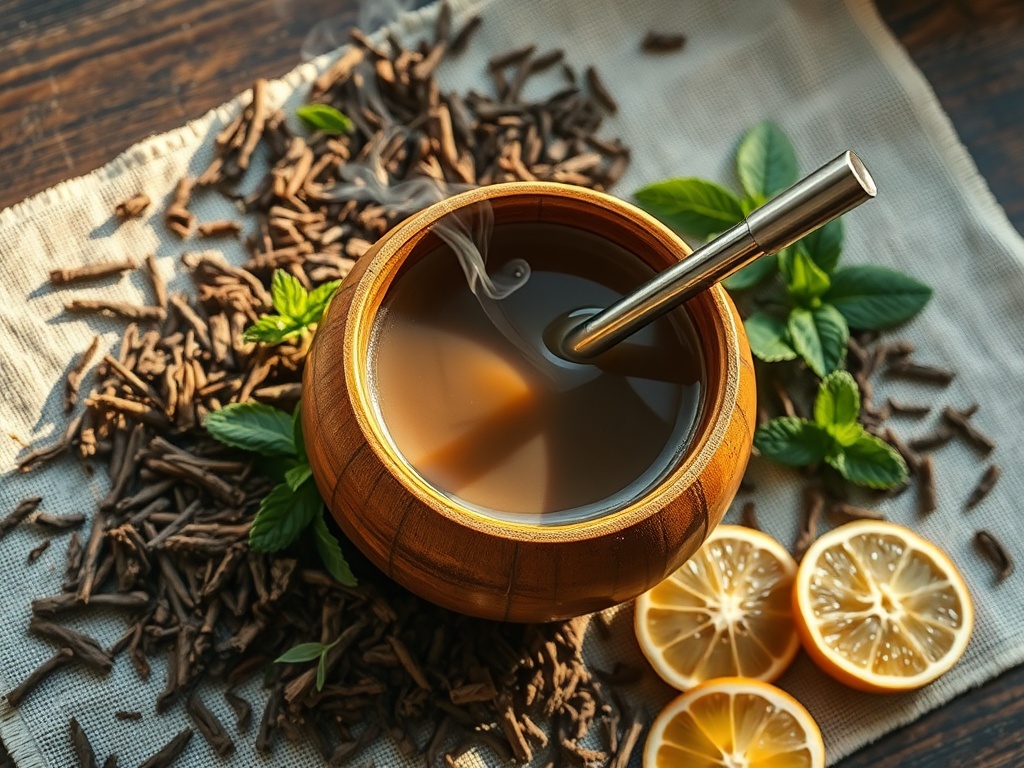
Adding fresh lemon, lime, or orange peel is perhaps the most popular yerba mate modification throughout South America. The citrus acidity brightens the earthy flavors while cutting through bitterness, creating a refreshing, almost lemonade-like quality. A squeeze of lemon juice or a few strips of citrus zest transform the taste profile from heavy and grounding to light and invigorating. According to Guayaki's traditional preparation methods, citrus additions also help mask smokiness in traditionally processed mate.
Herbal Blends
Mint is the classic yerba mate companion herb, adding cooling freshness that complements mate's warmth. Mint-infused mate tastes vibrant and energizing, with the menthol notes providing contrast to earthy base flavors. Other popular herbs include chamomile (adds floral sweetness), lemongrass (citrusy brightness), or peperina (a South American mint relative that adds complexity).
Sweeteners
Honey, sugar, or stevia can dramatically reduce perceived bitterness while highlighting mate's subtle natural sweetness. A Harvard Nutrition Source analysis notes that moderate sweetener addition doesn't significantly impact yerba mate's beneficial polyphenol content. Honey specifically pairs beautifully with mate's earthy notes, creating a flavor reminiscent of herbal honey tea.
Milk and Cream
Adding milk creates a completely different beverage with a smooth, creamy mouthfeel that softens bitterness and adds subtle sweetness. This preparation method, popular in some regions of Argentina and Uruguay, tastes similar to a very light, herbaceous latte. The milk proteins bind to tannins, reducing astringency and creating a gentler, more approachable flavor profile ideal for newcomers intimidated by traditional mate's intensity.
People Also Ask
Is yerba mate supposed to taste bitter?
Yes, natural bitterness is characteristic of authentic yerba mate due to its tannin, caffeine, and chlorogenic acid content. However, excessive bitterness usually indicates water that's too hot or over-steeping. Properly prepared mate tastes pleasantly bitter rather than harsh or undrinkable.
Does yerba mate taste like marijuana?
No, yerba mate does not taste like marijuana. The confusion arises because both have earthy, grassy, herbaceous notes. However, mate lacks marijuana's skunky, resinous qualities and instead tastes more like intensified green tea with woody undertones and occasional smokiness.
Why does my yerba mate taste like dirt?
A strong "dirt" flavor typically indicates either low-quality mate with excessive dust and stems, water that's too hot extracting harsh compounds, or simply an unfamiliar palate interpreting mate's natural earthiness negatively. Try a higher-quality brand and lower water temperature to improve the taste.
What Factors Influence Yerba Mate's Natural Flavor Variation?
Like wine, coffee, and tea, yerba mate's flavor varies significantly based on origin, processing, aging, and leaf composition. Understanding these variables helps you select mates that match your taste preferences.
Geographic Origin
Argentina, Brazil, Paraguay, and Uruguay all produce yerba mate with distinct regional characteristics. Argentine mate from Misiones province tends toward robust, earthy flavors with pronounced vegetal notes. Brazilian mate (called chimarrão) uses a finer cut and tastes grassier and more delicate. Paraguayan mate often exhibits stronger stems and tastes woodier and slightly sweeter. According to Guayaki's sourcing documentation, terroir factors including soil composition, elevation, and rainfall patterns all influence final flavor just as they do in wine production.
Leaf Age and Cut
Yerba mate comes in various cuts ranging from fine powder (polvo) to coarse leaf with stems (con palo). Finer cuts extract faster and taste more intense and bitter. Coarser cuts with stems taste mellower, slightly sweeter, and less astringent because stems contain fewer tannins and more woody, mild compounds. Research from the NIH Office of Dietary Supplements indicates that stem inclusion reduces caffeine concentration while maintaining beneficial antioxidant levels, creating a gentler drinking experience.
Aging Process
Some premium yerba mates undergo controlled aging for 12-24 months before packaging. This aging mellows harsh tannins, reduces grassy sharpness, and allows subtle sweet, nutty notes to develop. Aged mate tastes smoother, rounder, and more complex than fresh mate, though it loses some of the vibrant, fresh-cut grass intensity that characterizes young mate.
How Does Cold-Brewed Yerba Mate Taste Different?
Cold-brewing yerba mate—called tereré in South America—produces a fundamentally different flavor experience than hot preparation. The cold extraction process selectively pulls different compounds from the leaves, creating a unique taste profile.
Cold-brewed yerba mate tastes noticeably less bitter, smoother, and slightly sweeter than hot-brewed versions. According to a 2024 study in Food Research International, cold water extracts significantly fewer tannins and chlorogenic acids—the primary bitter compounds—while still extracting most caffeine and beneficial polyphenols. This creates a refreshing, mildly herbaceous beverage with gentle earthiness and minimal astringency.
The grassy notes become more prominent in cold preparation while smoky notes (in traditionally processed mate) fade into the background. Cold mate tastes cleaner and more refreshing—similar to the difference between hot green tea and cold-brewed green tea. Many people who dislike hot yerba mate's intensity find cold-brewed versions much more palatable and approachable.
Traditional tereré often includes citrus juice, mint, or other herbs mixed directly into the cold water, creating complex flavor combinations that range from lemonade-like to mojito-inspired. These additions complement cold mate's natural mildness better than they work with hot mate's stronger baseline flavor.
What Do First-Time Drinkers Typically Experience?
First-time yerba mate drinkers nearly universally report surprise at the intensity and uniqueness of the flavor. Unlike familiar beverages that fit neatly into established taste categories, yerba mate occupies its own distinct sensory space.
The most common first reaction is noting the strong earthy, grassy quality that feels almost vegetable-like rather than beverage-like. Many compare it to drinking liquefied herbs or eating fresh alfalfa. This can be jarring if you're expecting something closer to green tea's delicate flavor.
The second universal experience is encountering unexpected bitterness that feels more intense than coffee or tea for those unprepared. New drinkers often over-brew their first cup, using water that's too hot or steeping too long, which exacerbates this bitterness and creates a harsh first impression.
Interestingly, taste perception evolution is well-documented in yerba mate consumption. Research published in ScienceDirect's sensory science journals shows that most people who persist through 5-7 drinking sessions begin appreciating mate's complex flavor profile, with many becoming enthusiasts who prefer mate to coffee or tea. This suggests an acquired taste element similar to bitter foods like olives, beer, or dark chocolate.
Expert Verdict
Yerba mate delivers a bold, earthy, grassy flavor profile unlike any mainstream beverage, with natural bitterness that ranges from pleasantly stimulating to intensely astringent depending on preparation. The taste is an acquired appreciation rather than immediate enjoyment for most newcomers, but those who persist discover a complex, energizing drink with remarkable depth. Start with unsmoked varieties, use water at 70-80°C, and consider citrus or mint additions while your palate adjusts—within a week of daily drinking, what initially tastes aggressively herbaceous transforms into a nuanced, satisfying ritual beverage that many find superior to coffee or tea for sustained energy and mental clarity.
Summary
- Yerba mate tastes predominantly earthy, grassy, and vegetal with natural bitterness from tannins, caffeine, and chlorogenic acids—more robust than green tea but herbaceous rather than roasted like coffee.
- Processing method dramatically affects flavor: traditional smoke-dried mate exhibits strong campfire-like smoky notes while modern air-dried varieties taste cleaner, brighter, and more herbaceous.
- Proper preparation using 70-80°C water prevents excessive bitterness and allows nuanced secondary flavors—woody, herbal, and subtly sweet notes—to emerge across multiple infusions.
- The flavor evolves significantly through 10-20 infusions from the same leaves, starting intense and bitter, becoming smooth and balanced, then finishing light and sweet as compounds exhaust.
- Traditional modifications including citrus, mint, honey, or milk make yerba mate more approachable for newcomers while maintaining its energizing properties and beneficial antioxidant content.
Frequently Asked Questions
What does yerba mate taste similar to?
Yerba mate tastes most similar to a very strong, earthy green tea with pronounced grassy and vegetal notes. It shares coffee's bitterness and boldness but lacks roasted flavors, instead offering fresh herbaceous character closer to drinking steeped herbs or alfalfa.
Can you make yerba mate taste better?
Yes, absolutely. Add fresh lemon or lime juice for brightness, honey for sweetness, mint for freshness, or milk for creaminess. Using proper water temperature (70-80°C) and choosing unsmoked varieties also significantly improves taste for most newcomers.
Does yerba mate taste good cold?
Cold-brewed yerba mate tastes significantly smoother, less bitter, and more refreshing than hot preparation. Many people who dislike hot mate enjoy cold-brewed versions mixed with citrus juice, creating a lemonade-like energizing beverage without harsh astringency.
Why does some yerba mate taste smoky?
Smoky flavor comes from traditional processing that dries yerba mate leaves over wood fires. This centuries-old method imparts campfire-like notes ranging from subtle to intense. Unsmoked or air-dried varieties eliminate this smokiness entirely for cleaner, grassier flavor.
Is yerba mate an acquired taste?
Yes, for most people yerba mate is an acquired taste. The intense earthy, grassy, and bitter flavor profile feels unfamiliar initially, but research shows most regular drinkers develop appreciation within 5-7 sessions and many come to prefer it over coffee or tea.
What makes yerba mate bitter?
Yerba mate's bitterness comes from three compounds: tannins (creating astringent dryness), caffeine (alkaloid sharpness), and chlorogenic acids (bright acidity). Using water cooler than 80°C and avoiding over-steeping reduces but doesn't eliminate this characteristic bitterness.
More Yerba Mate Articles
This article was produced by an automated research tool. Content is for informational purposes only and should not replace professional advice. Product and resource links throughout this article are included for informational value based on relevance and quality. WhichBrewForYou has no affiliate relationship with any linked third-party site and receives no commission from any recommended products or brands. BellofattoBrews (coffee and tea) and Golden Hive Mead (mead kits and resources) are personal recommendations from this publication's founder and have no affiliation with WhichBrewForYou.