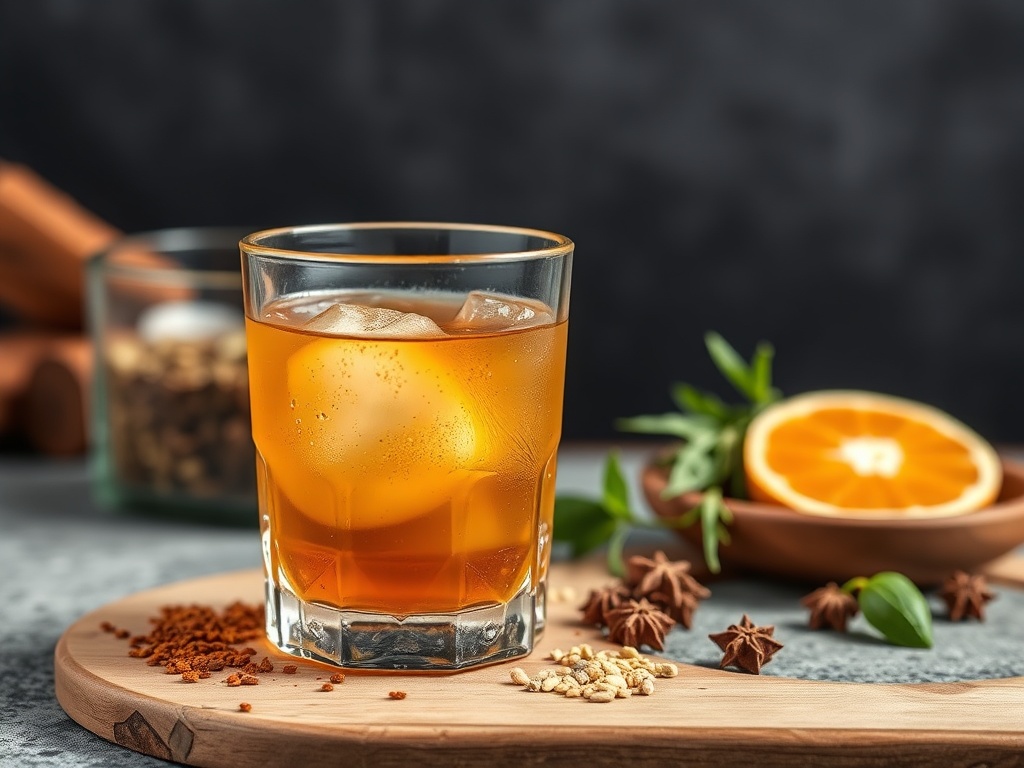
Key Takeaways
- Cinnamon sticks add warming sweetness and antimicrobial protection during fermentation
- Whole spices work better than ground versions—they infuse flavor slowly without creating sediment
- Toast whole spices briefly before adding to tepache to amplify aromatic compounds
- Cloves should be used sparingly—2-3 whole cloves per liter prevent medicinal bitterness
- Ginger adds digestive benefits and pleasant heat that balances pineapple's acidity
- Star anise contributes complex licorice undertones that deepen tepache's flavor profile
What Makes Tepache the Perfect Canvas for Spice Experimentation?
Tepache stands apart from other fermented beverages because its primary ingredient—pineapple rind—contains naturally occurring yeasts and enzymes that kickstart fermentation without commercial cultures. According to research published in the Journal of Food Science, the enzyme bromelain in pineapple breaks down proteins and creates an ideal environment for Lactobacillus and wild yeast strains to flourish. This enzymatic activity produces a lightly effervescent drink with natural tang that provides the perfect foundation for warming spices.
The fermentation process typically lasts 24-72 hours at room temperature, during which time added spices gradually infuse their essential oils into the liquid. Unlike forced infusions or quick-steep methods, fermentation allows spice compounds to integrate molecularly with the developing acids and alcohols in tepache, creating layered complexity impossible to achieve through simple mixing. The mild alcohol content—usually 0.5% to 2% ABV depending on fermentation time—acts as a solvent that extracts fat-soluble flavor compounds from spices more effectively than water alone.
Traditional Mexican tepache recipes have included warming spices for centuries, not merely for flavor but for practical preservation. A traditional recipe documented by chef Rick Bayless notes that cinnamon and cloves served antimicrobial functions before refrigeration, helping prevent spoilage bacteria from competing with beneficial fermentation organisms. Modern tepache makers continue this tradition because the spices genuinely improve both safety and sensory experience.
Why Use Whole Spices Instead of Ground Versions in Tepache?
Whole spices maintain their essential oils and aromatic compounds far longer than pre-ground alternatives, making them superior for fermentation projects. When spices are ground, their cell structures rupture and expose volatile oils to oxygen, causing rapid degradation. According to the USDA Agricultural Research Service, ground cinnamon loses approximately 30% of its cinnamaldehyde content within six months of grinding, while whole cinnamon sticks retain potency for years.
Whole spices also prevent sediment problems that plague tepache made with powdered spices. Ground spices create cloudy liquid with gritty mouthfeel that's difficult to strain completely. Whole spices infuse cleanly during fermentation and can be easily removed before bottling, leaving crystal-clear amber liquid with concentrated flavor but no particulate matter. Professional fermenters use this same principle when making mead, cider, and kombucha—whole ingredients extract cleaner.
The infusion rate matters significantly in fermentation. Whole spices release their compounds gradually over 24-72 hours, matching the fermentation timeline perfectly. Ground spices dump their flavor immediately, often creating harsh, unbalanced taste in the first 12 hours that becomes medicinal or bitter by day three. Tepache requires gentle, slow flavor integration that only whole spices can provide without overwhelming the delicate pineapple base.
How Does Cinnamon Transform Tepache's Flavor Profile?
Cinnamon stands as the single most important spice in traditional tepache recipes, appearing in virtually every documented version from Jalisco to Oaxaca. Ceylon cinnamon (Cinnamomum verum) and cassia cinnamon (Cinnamomum cassia) both work excellently, though they contribute different nuances. Ceylon offers delicate, sweet complexity with subtle citrus notes, while cassia provides bolder, spicier warmth with higher concentrations of cinnamaldehyde—the compound responsible for cinnamon's characteristic heat.
A typical batch using one whole pineapple rind benefits from 2-3 cinnamon sticks (approximately 15-20 grams). Research from PubMed Central demonstrates that cinnamaldehyde possesses potent antimicrobial properties against pathogenic bacteria including E. coli and Salmonella while leaving beneficial Lactobacillus strains largely unaffected. This selective antimicrobial action makes cinnamon a functional ingredient that protects fermentation safety while contributing warm, sweet aromatics.
The interaction between cinnamon and pineapple's natural bromelain creates unique flavor chemistry. Bromelain breaks down certain protein-bound compounds in cinnamon bark, releasing additional aromatic molecules that wouldn't normally infuse in cold or room-temperature liquid. This enzymatic assist explains why tepache develops more pronounced cinnamon character than simple cinnamon water despite using the same spice-to-liquid ratio.
| Cinnamon Type | Flavor Profile | Coumarin Content | Best For |
|---|---|---|---|
| Ceylon (True) | Delicate, sweet, citrus notes | Low (0.004%) | Subtle, refined tepache |
| Cassia | Bold, spicy, intense warmth | Higher (up to 1%) | Traditional robust tepache |
| Saigon | Very intense, sweet-spicy | Moderate | Small batches, powerful flavor |
| Korintje | Mild, smooth, balanced | Moderate | Everyday brewing, blends |
What Role Do Cloves Play in Tepache Spice Blends?
Cloves (Syzygium aromaticum) contribute piercing aromatic intensity that can either elevate or ruin tepache depending on dosage. The compound eugenol—which comprises 80-90% of clove essential oil according to research published in the National Institutes of Health database—provides cloves' characteristic medicinal-sweet aroma along with potent analgesic and antimicrobial properties. In proper proportion, eugenol adds complexity that makes tepache taste fuller and more sophisticated.
The critical rule with cloves: use 2-3 whole cloves per liter maximum, or risk creating bitter, medicinal-tasting tepache that overwhelms pineapple's natural character. Many novice tepache makers add too many cloves because the whole buds look small and innocuous, but each tiny clove bud contains concentrated essential oils that infuse aggressively during fermentation. Professional recipe developers consistently recommend "less is more" with cloves.
Cloves pair synergistically with cinnamon because eugenol and cinnamaldehyde share chemical similarities that create harmonious rather than competing aromatics. This pairing appears across global spice traditions—pumpkin pie spice, Chinese five-spice, Indian garam masala—because the compounds genuinely complement each other at the molecular level. In tepache, this partnership creates depth that makes the drink taste more complex than the sum of its simple ingredients.
How Does Fresh Ginger Add Heat and Digestive Benefits?
Fresh ginger root (Zingiber officinale) contributes bright, warming heat distinct from chili peppers' capsaicin burn. Ginger's spiciness comes from gingerol compounds that stimulate thermoreceptors on the tongue without triggering pain receptors, creating pleasant warmth rather than aggressive heat.
A 2-3 inch piece of fresh ginger, peeled and sliced into coins, works perfectly for one liter of tepache. Slicing rather than grating allows controlled infusion—grated ginger releases too much juice too quickly, creating harsh, burning flavor. The fermentation process gradually extracts gingerols and related shogaol compounds (which form when gingerols dehydrate), building layered ginger flavor that evolves throughout the fermentation period.
Ginger's antimicrobial properties complement those of cinnamon and cloves, creating what fermentation scientists call a "hurdle effect"—multiple mild antimicrobial barriers that collectively prevent pathogenic growth more effectively than any single agent. Research from ScienceDirect confirms that ginger inhibits several foodborne pathogens while leaving beneficial lactic acid bacteria unharmed, making it both a flavor and functional ingredient in fermented beverages.
Why Does Star Anise Create Such Complex Flavor Depth?
Star anise (Illicium verum) introduces licorice-like complexity that transforms tepache from simple to sophisticated. The compound trans-anethole—which comprises 90% of star anise essential oil—provides the characteristic anise flavor shared by fennel, licorice root, and anise seed. Unlike these alternatives, star anise offers exceptional visual appeal (the whole star-shaped pods look striking floating in fermenting tepache) and releases flavor more gradually than ground anise seed.
One whole star anise pod per liter provides sufficient flavor without dominating. Star anise works particularly well in tepache because its sweet, floral notes complement pineapple's tropical character rather than competing with it. The combination evokes tropical spice markets and creates flavor associations with Caribbean rum punches and tiki cocktails—appropriate connections given tepache's use as a cocktail mixer in modern bars.
The aromatic profile develops significantly during fermentation. Fresh star anise tastes more sharply licorice, but after 48 hours in fermenting tepache, the flavor rounds and mellows, integrating seamlessly with other spices. This maturation process is why star anise works better in fermented preparations than in quick-infused drinks—time genuinely improves its contribution to the final flavor profile.
What Do Black Peppercorns Contribute to Tepache?
Black peppercorns (Piper nigrum) might seem unusual in a sweet-tart fermented drink, but they provide subtle complexity that experienced tepache makers prize. The compound piperine—responsible for black pepper's characteristic bite—adds dimension that prevents tepache from tasting one-dimensional or cloying. According to research in the Journal of Agricultural and Food Chemistry, piperine also enhances the bioavailability of other compounds, potentially making the beneficial molecules in cinnamon, ginger, and cloves more accessible to your digestive system.
Use 5-8 whole black peppercorns per liter—just enough to add background complexity without creating obvious pepper taste. The peppercorns should be lightly crushed with the flat of a knife blade before adding to tepache, which cracks their exterior and allows gradual piperine extraction. Whole uncrushed peppercorns infuse too slowly; ground pepper creates sediment and harsh flavor.
Black pepper's subtle heat works synergistically with ginger's warmth, creating layered spiciness that reads as "complex" rather than "hot." This combination appears in traditional Mexican cooking (mole negro uses both) and translates beautifully to fermented beverages. The pepper's earthy, woody notes also ground the brighter cinnamon and pineapple flavors, adding savory depth that makes tepache more interesting to adult palates.
Should You Toast Spices Before Adding Them to Tepache?
Toasting whole spices before fermentation amplifies their aromatic compounds and creates deeper, more complex flavor. The Maillard reaction—browning that occurs when spices are heated—develops hundreds of new flavor molecules that don't exist in raw spices. A study by USDA food chemists found that toasting cinnamon sticks for just 2-3 minutes increases their aromatic compound concentration by 40-60% through moisture evaporation and molecular transformation.
To toast spices for tepache: heat a dry skillet over medium heat, add whole spices (cinnamon sticks broken into pieces, whole cloves, allspice berries, star anise pods, peppercorns), and toast 2-3 minutes until fragrant, shaking the pan frequently. The spices should smell noticeably stronger but not show significant darkening—burnt spices contribute acrid bitterness. Let toasted spices cool completely before adding to tepache to prevent shocking the wild yeasts with residual heat.
Not all tepache makers toast their spices. Traditional recipes often call for adding raw spices directly to the fermentation vessel, and many excellent batches are made this way. Toasting is an optional enhancement that creates bolder, more developed flavor—choose based on whether you prefer bright, fresh spice character or deeper, roasted complexity. Both approaches produce excellent tepache; toasting simply shifts the flavor profile toward warmth and depth.
How Do Allspice Berries Round Out Tepache's Spice Blend?
Allspice (Pimenta dioica) earned its English name because its flavor supposedly combines cinnamon, cloves, and nutmeg—though this description oversimplifies its unique aromatic profile. Native to Mexico and Central America, allspice appears in many traditional tepache recipes as a regional spice that naturally pairs with pineapple. According to chemical analysis published in ScienceDirect, allspice berries contain eugenol (like cloves), cineole (eucalyptus-like), and various terpenes that create warm, slightly peppery sweetness.
Use 5-7 whole allspice berries per liter of tepache, lightly crushed to expose interior flesh. Whole uncrushed berries infuse too slowly; completely ground allspice creates sediment. The crushing technique is important: place berries in a plastic bag and tap with a meat mallet or rolling pin until each berry cracks open but doesn't shatter into powder. This controlled crushing optimizes surface area for infusion without creating particles that will cloud your finished beverage.
Allspice's flavor contribution becomes most apparent after 48 hours of fermentation, when its complex essential oils have fully integrated with the developing acids and alcohols. Many tasters describe well-spiced tepache as having a "warm, rounded" quality—this roundness comes largely from allspice's ability to bridge and unify the brighter top notes of cinnamon and ginger with the deeper base notes of cloves and star anise.
| Spice | Amount per Liter | Primary Compound | Flavor Contribution |
|---|---|---|---|
| Cinnamon sticks | 2-3 sticks (15-20g) | Cinnamaldehyde | Warm sweetness, base layer |
| Whole cloves | 2-3 buds | Eugenol | Aromatic depth, medicinal-sweet |
| Star anise | 1 whole pod | Trans-anethole | Licorice complexity, floral notes |
| Black peppercorns | 5-8 whole | Piperine | Subtle bite, earthy depth |
| Allspice berries | 5-7 whole | Eugenol, cineole | Rounded warmth, unifying layer |
What Advanced Spices Can Experienced Brewers Experiment With?
Once you've mastered traditional tepache spice blends, several advanced ingredients can create distinctive regional or modern interpretations. Cardamom pods (2-3 green pods per liter) add cooling menthol complexity that contrasts beautifully with warming spices—a technique borrowed from Indian chai traditions. Whole coriander seeds (1 teaspoon per liter) contribute bright citrus notes that amplify pineapple's natural tang. Both spices should be lightly crushed before use to allow proper infusion.
Dried chili peppers offer another dimension entirely. A single árbol or pequín pepper added to tepache creates subtle background heat without overwhelming sweetness—the capsaicin extracts slowly during fermentation, building gentle warmth rather than aggressive spice. This technique appears in contemporary Mexican mixology, where spicy tepache serves as a base for mezcal cocktails. According to research on capsaicin's properties, the compound also possesses antimicrobial effects that may support fermentation safety.
Hibiscus flowers (jamaica in Spanish) create stunning ruby-red tepache with tart, cranberry-like acidity. While technically not a spice, dried hibiscus flowers (2-3 tablespoons per liter) are used alongside spices in many modern recipes. The flowers' anthocyanin pigments provide antioxidant benefits documented by research in the Journal of Food Science while creating visually striking, Instagram-worthy results that appeal to contemporary craft beverage enthusiasts.
How Does Spice Quality Affect Tepache's Final Flavor?
Spice quality dramatically impacts tepache because fermentation amplifies rather than masks inferior ingredients. Stale cinnamon sticks that have lost their aromatic oils will produce flat, woody-tasting tepache no matter how perfect your fermentation technique. Purchase whole spices from high-turnover sources, store them in airtight containers away from light and heat, and replace them annually—the cost difference between fresh and stale spices is minimal compared to the flavor difference they create in your finished beverage.
Visual inspection reveals spice quality more reliably than expiration dates. Fresh cinnamon sticks should smell intensely aromatic when broken, showing reddish-brown interior color rather than grey. Whole cloves should feel slightly oily to the touch and snap crisply when bent. Star anise pods should appear glossy and intact, not dusty or broken. Black peppercorns should be uniformly black without grey corns mixed in. These tactile and visual cues indicate essential oil content that directly translates to flavor potency in fermentation.
Organic certification matters primarily for avoiding irradiation, which is commonly used on conventional spices to kill bacteria but also degrades essential oils. According to USDA research on irradiation's effects, gamma-irradiated cinnamon loses 15-20% of its volatile compounds compared to non-irradiated versions. While irradiated spices are safe and legal, they produce less aromatic tepache. Choosing organic spices guarantees non-irradiated treatment while also avoiding pesticide residues that could potentially inhibit beneficial fermentation microbes.
What Fermentation Timeline Works Best for Spiced Tepache?
The optimal fermentation period for spiced tepache depends on ambient temperature, desired sweetness level, and intended use. At typical room temperature (20-22°C / 68-72°F), tepache reaches pleasant balance after 48-72 hours. During the first 24 hours, wild yeasts begin converting sugars to alcohol and carbon dioxide while spices start infusing. From 24-48 hours, lactic acid bacteria become more active, creating the characteristic tangy flavor while spices reach peak integration. After 72 hours, alcohol content increases noticeably (approaching 2% ABV) and spices may begin contributing bitter tannins.
Taste your tepache at 24, 48, and 72 hours to understand how flavor develops in your specific environment. The drink is ready when it tastes pleasantly tart with balanced sweetness, shows light effervescence when poured, and expresses clear spice character without bitterness. Refrigeration immediately stops fermentation—once tepache reaches your preferred flavor profile, strain out all solids including spices and transfer to refrigerated bottles to lock in that exact taste. Leaving spices in during refrigeration continues extraction, eventually creating medicinal bitterness even at cold temperatures.
Warmer environments (24-27°C / 75-80°F) accelerate fermentation significantly—tepache may finish in 24-36 hours in summer heat. Cooler temperatures (16-18°C / 60-65°F) slow everything down, potentially requiring 4-5 days to reach proper tartness. Monitor fermentation by taste rather than relying solely on time, as temperature variability makes fixed timelines unreliable. The spice infusion rate follows fermentation speed—faster fermentation extracts spices faster, slower fermentation allows gentler, more nuanced spice integration.
How Should You Adjust Spice Levels for Different Batch Sizes?
Scaling tepache recipes requires understanding that spice intensity doesn't increase linearly with volume. A batch using two pineapples doesn't need exactly double the spices of a one-pineapple batch because the surface-area-to-volume ratio changes. According to principles of extraction chemistry, larger volumes actually require slightly less spice per liter than small batches to achieve equivalent flavor intensity—the extended contact time in larger fermentation vessels allows more complete extraction from each spice particle.
As a practical guideline: for batches under 2 liters, use the per-liter amounts listed throughout this article. For batches of 3-5 liters, reduce spices by approximately 15% per liter (so 2.5 cinnamon sticks per liter instead of 3). For batches exceeding 5 liters—common when using multiple pineapples—reduce by 20-25% per liter. This counterintuitive scaling prevents over-spicing large batches while ensuring small batches don't taste weak or under-seasoned.
The exception is cinnamon, which you should scale more conservatively. Cinnamon's essential oils extract efficiently regardless of batch size, so maintain closer to full proportions even in large batches. Many experienced brewers report that under-cinnamoned tepache tastes incomplete, while over-cloved or over-anised tepache becomes undrinkable—the threshold for "too much" cinnamon is considerably higher than for more penetrating spices.
People Also Ask
Can you add dried spices to tepache instead of whole?
Dried whole spices work excellently in tepache and are actually preferred over ground versions. Whole dried cinnamon sticks, cloves, allspice berries, and star anise infuse cleanly without creating sediment. Avoid pre-ground spice powders which create cloudy liquid with gritty texture that's difficult to strain.
Does tepache need sugar if you add sweet spices?
Yes, tepache requires sugar (traditionally piloncillo) regardless of spices used. The sugar feeds fermentation microbes that create alcohol, carbonation, and acidity. Sweet-tasting spices like cinnamon contribute flavor aromatics but contain no fermentable sugars—removing sugar would prevent fermentation entirely, leaving you with spiced pineapple water.
What happens if you ferment tepache too long with spices?
Over-fermented tepache becomes increasingly alcoholic, vinegary, and bitter. Extended fermentation (4+ days at room temperature) allows spices to release bitter tannins while acetic acid bacteria convert alcohol to vinegar. The result tastes harsh and medicinal rather than balanced. Refrigerate promptly when tartness reaches your preference.
Expert Verdict
The best spice combination for traditional tepache uses 2-3 cinnamon sticks, 2-3 whole cloves, 5-7 crushed allspice berries, and a 2-3 inch piece of sliced fresh ginger per liter. This classic quartet creates balanced warmth that complements rather than overwhelms pineapple's natural character. For contemporary variations, add one star anise pod for complexity or 5-8 crushed black peppercorns for subtle depth. Always use whole spices rather than ground, toast them briefly before fermenting for amplified aromatics, and remove all spices after 48-72 hours to prevent bitter over-extraction. Quality matters significantly—fresh, aromatic whole spices from reputable sources produce exponentially better results than stale supermarket versions. Start with traditional proportions, taste throughout fermentation, and adjust future batches based on your preferred spice intensity and fermentation timeline.
Article Summary
- Cinnamon (2-3 sticks per liter) forms the essential base layer of tepache spice blends, providing warm sweetness and antimicrobial protection during fermentation
- Whole spices extract cleaner and more gradually than ground versions, preventing sediment and allowing controlled flavor development over 48-72 hour fermentation
- Cloves must be used sparingly (2-3 per liter maximum) as their intense eugenol content can quickly dominate and create medicinal bitterness
- Fresh ginger adds pleasant heat and digestive benefits while contributing antimicrobial properties that support safe fermentation
- Advanced spices like star anise, allspice berries, and black peppercorns create layered complexity that distinguishes exceptional tepache from basic versions
- Toasting whole spices before fermentation amplifies aromatic compounds by 40-60% through Maillard reactions, creating deeper, more developed flavor profiles
- Spice quality directly impacts final flavor—fresh, aromatic whole spices stored properly produce dramatically better results than stale or pre-ground alternatives
- Remove all spices after 48-72 hours and refrigerate immediately to prevent bitter tannin extraction and lock in optimal flavor balance
Frequently Asked Questions
Can you reuse spices from one tepache batch in the next?
No, spices should never be reused. After 48-72 hours of fermentation, whole spices have released the majority of their essential oils and aromatic compounds into the liquid. Reusing them produces weak, flat-tasting tepache while introducing contamination risk from previous batches. Always use fresh whole spices for each fermentation.
What's the best way to strain spices out of finished tepache?
Use a fine-mesh strainer lined with cheesecloth or a nut milk bag to strain finished tepache. Pour slowly to allow spices and pineapple solids to separate naturally. For crystal-clear results, strain twice—once through standard mesh, then again through dampened cheesecloth. Avoid squeezing solids, which releases bitter tannins into the liquid.
Do spices affect tepache's fermentation speed?
Spices have minimal impact on fermentation speed. Temperature and sugar concentration are the primary factors controlling how quickly yeasts and bacteria work. However, spices' antimicrobial properties do create a slightly cleaner fermentation by suppressing unwanted bacteria, potentially resulting in more consistent batch-to-batch results without affecting timeline significantly.
Should you add spices at the start or during fermentation?
Add all spices at the beginning when you combine pineapple, sugar, and water. This allows complete integration of spice aromatics throughout the entire fermentation period. Adding spices mid-fermentation creates uneven flavor and prevents proper extraction of essential oils that require time to infuse gradually into developing acids and alcohols.
How do you know if you've added too many spices to tepache?
Over-spiced tepache tastes medicinal, bitter, or harsh rather than balanced. The pineapple's natural flavor disappears beneath overwhelming spice character. If this happens, dilute the batch with plain water or unsweetened pineapple juice (add 20-30% volume) to restore balance. Future batches should use 30-40% less of whichever spice dominated.
Can you make tepache with only cinnamon and no other spices?
Yes, cinnamon-only tepache is traditional and delicious
More Tepache Articles
This article was produced by an automated research tool. Content is for informational purposes only and should not replace professional advice. Nothing here is medical advice, and it is not a substitute for it. Talk to a doctor about anything affecting your health. Product and resource links throughout this article are included for informational value based on relevance and quality. WhichBrewForYou has no affiliate relationship with any linked third-party site and receives no commission from any recommended products or brands. BellofattoBrews (coffee and tea) and Golden Hive Mead (mead kits and resources) are personal recommendations from this publication's founder and have no affiliation with WhichBrewForYou.