Key Takeaways
- Traditional honey mead provides the essential flavor baseline every beginner needs to understand mead's unique character.
- Melomels (fruit meads) like blackberry, blueberry, and cherry offer familiar taste bridges that make mead more approachable for wine and cider drinkers.
- Cysers combine honey with apple juice, creating a flavor profile similar to sweet cider while introducing honey complexity.
- Sweetness levels range from dry to dessert-sweet, with semi-sweet meads being the most beginner-friendly.
- Starting with lower ABV meads (8-12%) helps new drinkers appreciate flavors without alcohol burn overwhelming the tasting experience.
Why Traditional Mead Should Be Your First Taste
Traditional mead contains only three ingredients: honey, water, and yeast. This simplicity makes traditional mead the purest expression of fermented honey available. When you taste traditional mead first, you learn to identify the honey's floral notes, the fermentation's subtle alcohol warmth, and the natural sweetness or dryness that defines the style. Starting with traditional mead establishes your flavor vocabulary for all other mead styles you'll encounter.
The honey varietal determines traditional mead's flavor profile significantly. Clover honey produces mild, slightly floral meads with clean finishes. Wildflower honey creates more complex flavor profiles with layered botanical notes. Orange blossom honey delivers citrus undertones and aromatic brightness. According to research published in the Journal of Food Science, honey varietal affects not only flavor but also fermentation characteristics and final mead stability.
Most commercial traditional meads fall between 10-14% ABV, making them comparable to wine in strength. The alcohol level should feel warming but never harsh or burning in a well-crafted traditional mead. Semi-sweet traditional meads offer the most approachable starting point because residual honey sweetness balances the alcohol and creates a smooth mouthfeel.
What Makes Melomels Perfect for Beginners
Melomels incorporate fruit into the mead base, creating flavors that feel familiar to anyone who enjoys fruit wines or craft ciders. The term "melomel" comes from the Greek word for honey-apple, though modern melomels feature virtually any fruit imaginable. Golden Hive Mead explains that melomels account for approximately 40% of commercial mead production because their fruit-forward profiles appeal to broad audiences.
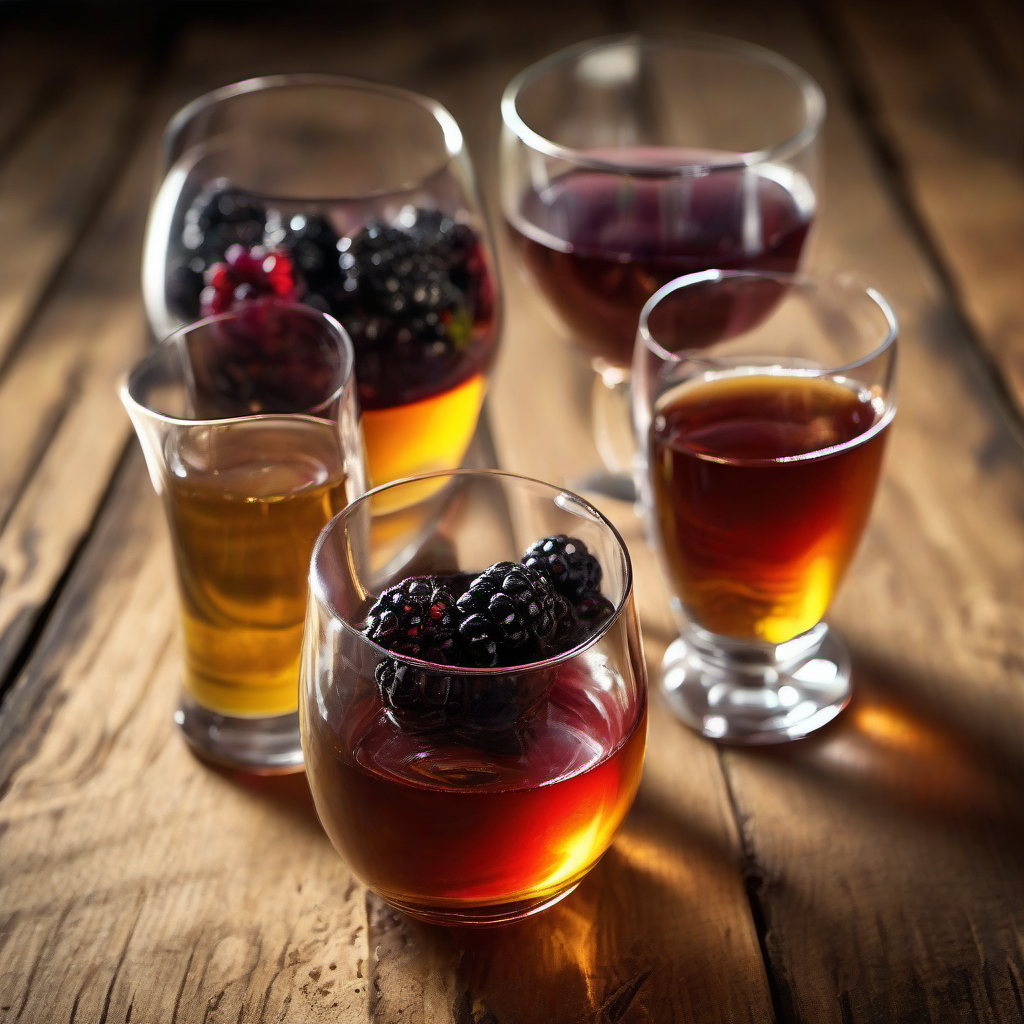
Blackberry melomel stands out as an ideal first melomel because blackberries contribute deep berry sweetness, mild tartness, and a beautiful ruby color. The berries' natural tannins add structure similar to red wine, making blackberry melomel feel sophisticated rather than candy-sweet. Blueberry melomel offers similar appeal with slightly earthier undertones and less aggressive tannins.
Cherry melomel provides another excellent entry point, particularly for wine drinkers. Tart cherries create complexity similar to sour cherry lambics, while sweet cherries produce dessert-like richness. The Beer Judge Certification Program style guidelines classify melomels by fruit character prominence, with the best beginner melomels showcasing balanced honey-fruit integration rather than overwhelming fruit dominance.
Related: How to Make Espresso Without an Espresso Machine | WhichBrewForYou
| Melomel Type | Flavor Profile | Best For | Typical ABV |
|---|---|---|---|
| Blackberry | Deep berry sweetness, mild tannins, jammy finish | Red wine drinkers | 11-13% |
| Blueberry | Earthy-sweet berry, subtle tartness, smooth | Fruit wine fans | 10-12% |
| Cherry | Bright cherry sweetness or tartness, wine-like complexity | Sour beer enthusiasts | 11-14% |
| Strawberry | Fresh strawberry sweetness, light body, aromatic | Sweet cocktail lovers | 9-11% |
| Peach | Stone fruit sweetness, floral notes, juicy finish | White wine drinkers | 10-12% |
Why Cyser Belongs on Every Beginner's List
Cyser combines honey with apple juice or apple cider before fermentation, creating a hybrid beverage that tastes like elevated hard cider with honey complexity. The familiar apple flavor provides a taste reference point that makes cyser exceptionally approachable for mead newcomers. Cysers typically finish drier than traditional meads because apple juice contributes additional fermentable sugars beyond honey.
The apple variety determines cyser character just as honey varietal shapes traditional mead. Cysers made with tart Granny Smith apples produce bright, crisp beverages with high acidity. Honeycrisp or Fuji apple cysers create sweeter, fruitier profiles with lower acidity. Most commercial cysers blend multiple apple varieties to achieve balanced flavor complexity.
According to Got Mead, cyser represents approximately 15-20% of craft mead sales, making it the second most popular mead category after traditional. The style's popularity stems from its crossover appeal—cider drinkers appreciate the familiar apple base, while mead enthusiasts value the honey depth that distinguishes cyser from standard cider.
Cyser alcohol content typically ranges from 8-12%, making it slightly lower than traditional mead and more sessionable for longer tasting experiences. The lower alcohol allows apple and honey flavors to shine without alcohol burn interfering with delicate fruit notes. Carbonated cysers offer additional appeal because effervescence lifts aromatic compounds and creates refreshing mouthfeel similar to sparkling cider.
How Sweetness Levels Affect Your First Mead Experience
Mead sweetness spans the same spectrum as wine, from bone-dry to intensely sweet dessert styles. Understanding sweetness terminology helps you select meads matching your taste preferences. Dry meads contain little to no residual sugar, allowing honey character and fermentation complexity to dominate. Semi-sweet meads retain moderate honey sweetness that balances alcohol warmth and creates smooth, approachable flavors. Sweet and dessert meads preserve significant residual sugar, producing rich, syrupy beverages best enjoyed in small pours.
Most beginners prefer semi-sweet meads because residual sweetness masks any fermentation roughness while preventing cloying heaviness. The Meadist sweetness guide recommends that first-time mead drinkers start with semi-sweet expressions before exploring drier or sweeter extremes. Semi-sweet meads typically measure 1.010-1.020 on the specific gravity scale, indicating moderate residual sugar content.
Dry meads appeal to wine drinkers accustomed to low-sugar beverages, but dry mead requires more developed palates to appreciate subtle honey nuances without sweetness providing flavor support. Research from PubMed indicates that perceived sweetness in fermented beverages affects consumer acceptance significantly, with moderate sweetness generating the broadest appeal across taster demographics.
What Carbonation Adds to Beginner Mead Flavors
Carbonation transforms mead's mouthfeel and aromatic perception dramatically. Still meads showcase rich, syrupy textures and concentrated flavors similar to dessert wines. Carbonated meads feel lighter, more refreshing, and more approachable for drinkers familiar with beer or sparkling wine. The effervescence lifts volatile aromatic compounds to your nose, intensifying honey and fruit character.
Carbonated traditional meads taste crisper and less heavy than still versions because bubbles create palate-cleansing acidity perception. Carbonated melomels emphasize fruit brightness while reducing jammy heaviness. Carbonated cysers feel most similar to craft hard ciders, making them the easiest carbonated meads for beginners to appreciate immediately.
Most commercial carbonated meads contain 2.5-3.5 volumes of CO2, comparable to craft beer carbonation levels. This moderate carbonation provides refreshing effervescence without aggressive bubbles that would interfere with honey delicacy. According to the American Mead Makers Association, carbonated mead sales have grown 35% over the past three years as producers target beer and cider drinkers seeking alternative fermented beverages.
Related: How to Brew Black Tea Properly — Perfect Method Guide
Which Spiced Meads Work for First-Time Tasters
Metheglin describes mead with herbs or spices added during or after fermentation. While spiced meads offer extraordinary complexity, most should wait until after you've tasted traditional and fruit meads. However, certain approachable metheglins work well for beginners when spice additions remain subtle and balanced.
Cinnamon-vanilla metheglin provides the most accessible spiced mead introduction because these spices feel familiar from desserts and seasonal beverages. The cinnamon adds warming spice notes without aggressive heat, while vanilla contributes creamy sweetness that smooths alcohol edges. Ginger metheglin offers another beginner-friendly option, particularly for kombucha drinkers accustomed to ginger's bright, zingy character.
Holiday-spiced metheglins featuring cinnamon, clove, nutmeg, and allspice taste similar to mulled wine or spiced cider, making them seasonally appropriate introductions to spiced mead styles. Golden Hive Mead notes that metheglin popularity peaks during fall and winter months when warming spice profiles align with seasonal beverage preferences.
Avoid heavily hopped or aggressively spiced metheglins as first meads because intense flavors can overwhelm your developing mead palate. Metheglins work best as your third or fourth mead style after establishing flavor baselines with traditional, melomel, and cyser expressions.
How Alcohol Content Guides Beginner Flavor Selection
Mead alcohol ranges from session-strength (5-8% ABV) to fortified dessert levels (18-20% ABV). For first-time tasters, moderate alcohol content between 8-12% ABV allows you to appreciate flavors without alcohol burn dominating the experience. Lower alcohol meads called "session meads" or "hydromel" offer the easiest drinking but sometimes lack the body and complexity that make mead distinctive.
Traditional meads between 11-13% ABV provide ideal first-tasting alcohol levels because the alcohol contributes warming mouthfeel without harshness. Melomels and cysers in the 9-12% range feel most balanced because fruit character softens alcohol perception. According to fermentation research published in ScienceDirect, alcohol concentration above 14% begins affecting flavor compound perception significantly, making higher-ABV meads more challenging for developing palates.
Session meads below 8% ABV have gained popularity as mead alternatives to craft beer, but their lighter bodies and simpler flavors don't showcase mead's full potential. Save session meads for casual drinking after you've experienced standard-strength expressions. Reserve dessert meads and sack meads (14-18% ABV) for after you've developed appreciation for moderate-strength meads.
What Local vs. National Mead Brands Offer Beginners
Local meaderies provide freshness advantages and unique regional honey character that national brands can't match. Small-batch meaderies often experiment with creative flavor combinations while maintaining quality control throughout small production runs. Visiting local tasting rooms allows you to sample multiple styles before purchasing full bottles, making local meaderies ideal for beginners exploring flavor preferences.
National mead brands offer consistency, wider distribution, and often lower price points than local producers. Brands like Schramm's, Superstition, and B. Nektar have established quality reputations and provide reliable introduction to professional mead craftsmanship. The American Mead Makers Association directory lists over 500 meaderies across the United States, with most states hosting multiple producers.
When choosing between local and national options, prioritize freshness and proper storage over brand recognition. Mead oxidizes over time, developing sherry-like flavors that obscure the intended honey and fruit character. Purchase from retailers with good turnover and proper temperature-controlled storage. Check production or bottling dates when visible, selecting meads produced within the past year for optimal flavor.
People Also Ask
Does mead taste like wine or beer?
Mead tastes more like wine than beer because it derives sweetness and body from honey rather than grain, lacks hop bitterness, and typically contains wine-level alcohol (10-14% ABV). However, mead possesses unique honey character that distinguishes it from grape wine, with floral aromatics and viscous mouthfeel that feel distinct from both wine and beer.
Should mead be served cold or room temperature?
Semi-sweet and sweet meads taste best lightly chilled to 50-55°F, similar to white wine serving temperature. Dry meads can be served slightly warmer at 55-60°F to emphasize complexity. Carbonated meads should be served cold at 40-45°F like beer. Avoid serving mead ice-cold, which suppresses aromatic compounds and honey character.
How long does opened mead last?
Opened mead lasts 1-3 months in the refrigerator when properly resealed with a cork or bottle cap. Higher alcohol meads (above 14% ABV) last longer than lower alcohol expressions. Oxidation gradually diminishes fresh fruit flavors in melomels and cysers, so consume fruit meads within 2-4 weeks of opening for best quality.
Expert Verdict: Start With Semi-Sweet Traditional, Then Explore
The best approach for mead beginners involves tasting a semi-sweet traditional mead first to establish your honey flavor baseline, followed immediately by a fruit melomel like blackberry or blueberry to experience how fruit integrates with honey. Your third mead should be a cyser to appreciate the apple-honey combination that creates mead's most approachable crossover style. This three-mead progression builds flavor understanding systematically while preventing palate fatigue from similar styles. After mastering these foundations, branch into spiced metheglins, dry styles, or experimental meads based on your developed preferences. Quality matters more than variety—three excellent meads teach more than ten mediocre samples. Seek fresh meads from reputable producers, serve at proper temperatures, and taste mindfully to develop your mead palate effectively.
Summary
- Traditional honey mead provides the essential flavor foundation for understanding all mead styles, with semi-sweet expressions offering the most beginner-friendly starting point.
- Melomels featuring blackberry, blueberry, or cherry create familiar fruit-forward profiles that make mead approachable for wine and cider drinkers.
- Cyser combines honey with apple juice to produce beverages tasting like elevated hard cider with added honey complexity and depth.
- Moderate alcohol content between 8-12% ABV allows beginners to appreciate mead flavors without harsh alcohol burn overwhelming the tasting experience.
- Starting with three core styles—traditional, melomel, and cyser—builds systematic flavor understanding before exploring spiced or experimental mead varieties.
Frequently Asked Questions
What is the easiest mead for beginners to drink?
Semi-sweet traditional mead made with wildflower or clover honey is the easiest mead for beginners because it showcases pure honey character with moderate sweetness that balances alcohol warmth. Carbonated versions feel even more approachable because effervescence creates refreshing lightness similar to sparkling wine.
Is mead stronger than wine?
Mead alcohol content typically ranges from 8-14% ABV, comparable to wine rather than stronger or weaker. Session meads contain less alcohol (5-8% ABV) while dessert meads reach 16-20% ABV. Most commercial meads fall between 10-13% ABV, matching standard wine strength exactly.
Why does some mead taste like vinegar?
Mead tastes like vinegar when acetobacter bacteria convert alcohol into acetic acid through oxidation. This occurs from improper storage, oxygen exposure during fermentation, or age-related deterioration. Quality fresh mead should never taste vinegary—vinegar notes indicate spoilage or poor production practices.
Can you drink mead straight or should it be mixed?
Mead is designed to drink straight like wine, with flavors balanced for direct consumption. Mixing mead dilutes honey character and wastes the beverage's complexity. However, dry meads occasionally work in cocktails as honey wine replacements, and ice cubes can temper sweetness in dessert-style meads.
How do you store mead after opening?
Store opened mead in the refrigerator with the original cork or cap tightly resealed. Mead lasts 1-3 months refrigerated, though fruit melomels taste best within 2-4 weeks. Higher alcohol meads (above 14% ABV) resist oxidation longer. Avoid temperature fluctuations and light exposure.
What food pairs best with mead?
Semi-sweet meads pair with soft cheeses, roasted poultry, and fruit desserts. Dry meads complement aged cheeses, charcuterie, and savory dishes. Fruit melomels pair with desserts featuring the same fruit. Spiced metheglins match holiday foods and warming comfort dishes like braised meats.
More Mead Articles
This article was produced by an automated research tool. Content is for informational purposes only and should not replace professional advice. Nothing here is medical advice, and it is not a substitute for it. Talk to a doctor about anything affecting your health. Product and resource links throughout this article are included for informational value based on relevance and quality. WhichBrewForYou has no affiliate relationship with any linked third-party site and receives no commission from any recommended products or brands. BellofattoBrews (coffee and tea) and Golden Hive Mead (mead kits and resources) are personal recommendations from this publication's founder and have no affiliation with WhichBrewForYou.