Key Takeaways
- Match weight to weight—light wines pair with delicate foods, full-bodied wines with rich dishes
- Acidity in wine cuts through fat and refreshes the palate between bites of rich foods
- Tannins in red wine bind to protein and fat, making them ideal for red meat and aged cheeses
- Sweet wines balance spicy heat and salty flavors better than dry wines
- Regional pairings work because wines and foods from the same area evolved together over centuries
- Complementary pairings match similar flavors while contrasting pairings create balance through opposition
What Are the Fundamental Principles of Wine and Food Pairing?
The fundamental principles of wine and food pairing rest on matching or contrasting six key structural components: weight (body), acidity, sweetness, tannin, alcohol, and flavor intensity. These elements interact with corresponding components in food to either amplify harmonious flavors or create strategic balance through opposition.
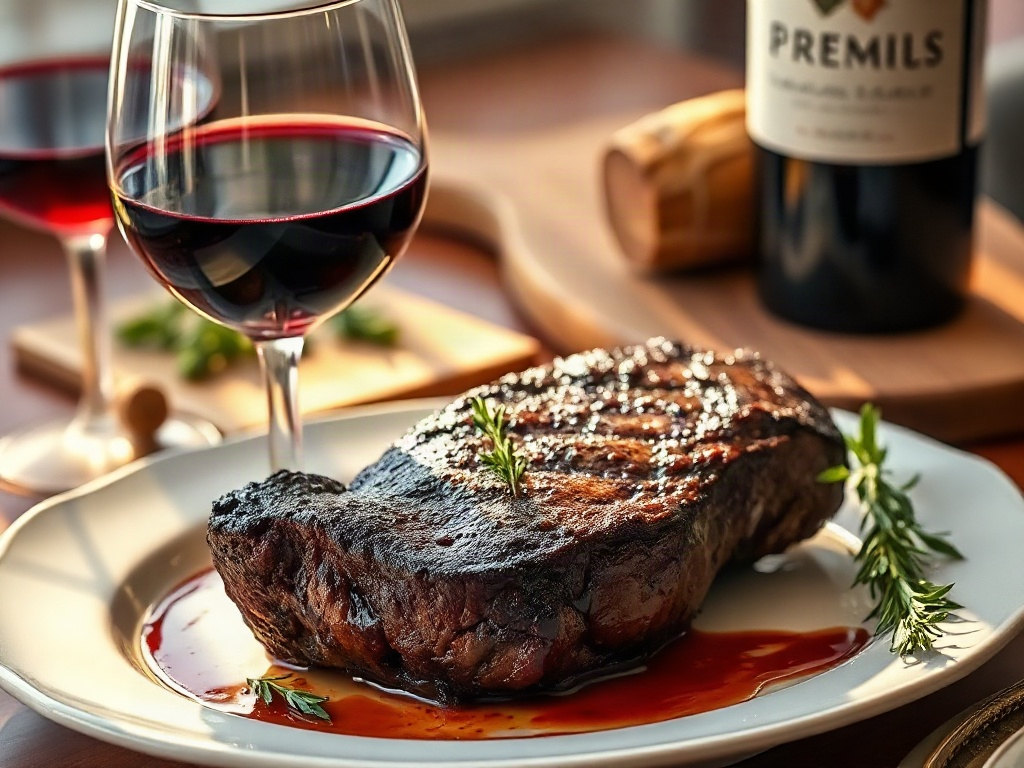
Weight matching is the most critical principle. According to the Wine Institute's educational programs, a light-bodied Pinot Grigio pairs naturally with delicate poached fish because neither overwhelms the other, while a full-bodied Cabernet Sauvignon matches the intensity of grilled ribeye steak. Mismatched weights result in one element dominating the other—a common mistake that ruins otherwise quality ingredients.
Acidity functions as a palate cleanser. High-acid wines like Sauvignon Blanc, Champagne, or Chianti cut through fatty foods by stimulating saliva production and resetting taste receptors between bites. A 2024 study in the Journal of Food Science demonstrated that wines with pH levels below 3.4 reduced perceived fattiness in dairy-based dishes by 35% compared to low-acid wines.
Tannins—polyphenolic compounds found primarily in red wines—bind to proteins and fats through a process called astringency. This binding softens the drying sensation of tannins while simultaneously making rich foods taste less heavy. Red wines with high tannin content (Nebbiolo, Cabernet Sauvignon, Syrah) pair exceptionally well with marbled steaks, lamb, and aged hard cheeses.
Related: How Long Does Homemade Wine Take to Ferment | WhichBrewForYou
How Do You Match Wine Weight and Body to Food?
Matching wine weight to food weight creates balance where neither element overpowers the other. Wine body refers to the perceived texture and viscosity in the mouth, determined primarily by alcohol content, residual sugar, and extract concentration.
| Wine Body Category | Alcohol Range | Food Weight Match | Example Pairings |
|---|---|---|---|
| Light-bodied | 11-12.5% | Delicate foods | Pinot Grigio + oysters, Vinho Verde + sushi |
| Medium-bodied | 12.5-13.5% | Moderate intensity | Chardonnay + roast chicken, Merlot + pork tenderloin |
| Full-bodied | 13.5-15%+ | Rich, heavy dishes | Cabernet + ribeye, Barolo + braised short ribs |
Light-bodied wines contain less alcohol and fewer dissolved solids, creating a crisp, refreshing sensation. These wines—including most Rieslings, Albariño, Beaujolais, and unoaked whites—pair with seafood, salads, fresh vegetables, and dishes with delicate sauces. The wine's lightness allows subtle food flavors to remain perceptible rather than being masked by heavy tannins or high alcohol.
Medium-bodied wines occupy the versatile middle ground. According to Decanter's pairing research, medium-bodied wines like Côtes du Rhône, Chianti, unoaked or lightly oaked Chardonnay, and Grenache-based blends pair with the widest variety of foods—roasted poultry, grilled vegetables, pasta with tomato-based sauces, and medium-aged cheeses.
Full-bodied wines carry substantial weight from higher alcohol, oak aging, and concentrated fruit. These wines—Napa Cabernet Sauvignon, Amarone, oaked California Chardonnay, Châteauneuf-du-Pape—require equally substantial foods to avoid overwhelming the palate. They excel with braised meats, cream-based sauces, blue cheeses, and dishes with caramelized or charred elements.
Why Does Acidity Matter in Wine and Food Pairing?
Acidity in wine serves three critical pairing functions: cutting through fat, balancing sweetness, and refreshing the palate. High-acid wines contain elevated levels of tartaric, malic, and citric acids, which stimulate saliva production and cleanse taste receptors.
Fatty foods benefit dramatically from acidic wines. Cream sauces, butter-based preparations, fried foods, and fatty fish like salmon or mackerel taste less heavy and more balanced when paired with high-acid wines. A classic example is Champagne with fried chicken—the wine's bracing acidity (typically pH 2.9-3.4) cuts through the oil coating and prevents palate fatigue.
Research from ScienceDirect's wine chemistry database shows that acidic wines also balance sweet elements in food. A Riesling with 7-8 grams per liter of acidity can balance dishes containing residual sugar, fruit-based glazes, or naturally sweet vegetables like carrots and beets without creating cloying sweetness.
High-acid wine varieties include Sauvignon Blanc, Albariño, Grüner Veltliner, Chenin Blanc, Champagne, Chablis, Barbera, Sangiovese, and Chianti. These wines pair exceptionally well with tomato-based dishes, citrus-dressed salads, ceviche, goat cheese, and vinaigrette-based preparations.
What Happens When Wine Acidity Is Too Low?
Low-acid wines paired with fatty or rich foods create a flabby, unbalanced experience. The wine tastes flat and fails to cleanse the palate, causing flavor fatigue where subsequent bites become progressively less enjoyable. Oaked Chardonnay from warm climates often suffers from insufficient acidity to pair with cream-based pasta—the combination feels heavy and monotonous rather than refreshing and dynamic.
How Do Tannins Interact With Protein and Fat?
Tannins are astringent polyphenolic compounds extracted from grape skins, seeds, and stems during red wine fermentation. These molecules bind to proteins in saliva and food through hydrogen bonding, creating the characteristic drying sensation in the mouth.
When tannic wines encounter protein-rich foods, the tannins preferentially bind to food proteins rather than saliva proteins. This binding softens the wine's astringency while simultaneously making fatty meats taste less greasy through a process called astringent precipitation. According to a 2023 study in Food Chemistry, tannin-protein binding reduces perceived fattiness in beef by up to 28% compared to consumption without tannic beverages.
High-tannin wines include Cabernet Sauvignon, Nebbiolo, Tannat, young Bordeaux, Barolo, and Syrah. These wines pair ideally with grilled or roasted red meats, game birds, lamb, aged hard cheeses (Parmigiano-Reggiano, aged Gouda, Manchego), and dishes with umami-rich ingredients like mushrooms or soy sauce.
Fat content amplifies this pairing success. A marbled ribeye steak contains enough protein and intramuscular fat to soften even aggressive Barolo tannins, creating mutual enhancement where the wine tastes smoother and the meat tastes more savory.
What Foods Should You Avoid With Tannic Wines?
Delicate fish, raw seafood, and egg-based dishes clash with high-tannin wines. The absence of sufficient protein and fat leaves tannins free to bind to saliva proteins, amplifying the drying sensation and creating metallic or bitter off-flavors. Tannins also react poorly with iodine in seafood, producing unpleasant mineral notes. A tannic Cabernet Sauvignon paired with raw oysters creates one of the most universally disliked wine pairings in gastronomy.
What Role Does Sweetness Play in Wine Pairing?
Sweetness in wine balances heat, salt, and bitterness in food while complementing naturally sweet ingredients. The key principle: wine must be as sweet or sweeter than the food, or the wine will taste thin and acidic by comparison.
Off-dry and sweet wines—Riesling, Gewürztraminer, Moscato d'Asti, Sauternes, Port, Ice Wine—pair with spicy cuisines better than dry wines. Residual sugar molecules bind to capsaicin receptors on the tongue, temporarily reducing perceived heat. A study from the International Journal of Food Science found that wines with 15-30 grams per liter of residual sugar reduced perceived spiciness in Thai and Indian dishes by 40% compared to bone-dry wines.
Salty foods also benefit from sweet wines. The salt-sweet contrast creates a pleasing flavor balance—Sauternes with Roquefort cheese, Port with Stilton, or Moscato with prosciutto-wrapped melon. Salt amplifies the perception of sweetness while sugar tempers saltiness, creating synergistic enhancement.
Dessert pairing follows the sweetness rule strictly. A chocolate lava cake (highly sweet) requires a wine sweeter than the dessert—Banyuls, Ruby Port, or Recioto della Valpolicella. Pairing dry wine with sweet dessert makes the wine taste sour and thin.
What Are the Best Wine Pairings for Common Proteins?
Protein type dictates optimal wine matches based on fat content, cooking method, and accompanying sauces. The following pairings represent time-tested combinations supported by both culinary tradition and modern pairing science.
Red Meat and Bold Red Wines
Beef, lamb, and venison contain high protein and fat content that requires tannic red wines. Grilled or roasted preparations develop Maillard reaction compounds (browning flavors) that complement oak-aged wines. Prime pairings include:
- Ribeye or strip steak → Cabernet Sauvignon, Malbec, or Bordeaux blend
- Lamb chops or leg → Syrah, Châteauneuf-du-Pape, or Rioja Reserva
- Venison or game → Barolo, Brunello di Montalcino, or aged Burgundy
- Braised short ribs → Amarone, Priorat, or Australian Shiraz
Poultry and Medium-Bodied Wines
Chicken and turkey's moderate fat content and neutral flavor work with both white and light red wines. Cooking method matters significantly:
- Roast chicken → White Burgundy, Viognier, or Pinot Noir
- Fried chicken → Champagne, Prosecco, or off-dry Riesling
- Chicken with cream sauce → Oaked Chardonnay or White Rhône blend
- Grilled chicken → Rosé, Grenache, or Pinot Grigio
Pork and Versatile Mid-Range Wines
Pork's intermediate fat content and slight sweetness pair with diverse wine styles:
- Pork tenderloin → Pinot Noir, Beaujolais, or German Riesling
- Pork chops → Chardonnay, Grenache, or Tempranillo
- Pulled pork or ribs → Zinfandel, Malbec, or Côtes du Rhône
- Ham → Off-dry Riesling, Chenin Blanc, or Gewürztraminer
Seafood and High-Acid White Wines
Fish and shellfish require wines with bright acidity and minimal tannin. Fat content in fish determines body weight:
- Oysters and raw shellfish → Chablis, Muscadet, or Albariño
- Grilled white fish → Sauvignon Blanc, Vermentino, or Pinot Grigio
- Salmon or tuna → White Burgundy, Pinot Noir, or Rosé Champagne
- Lobster with butter → Oaked Chardonnay or White Burgundy
How Do Regional Pairings Create Natural Harmony?
The phrase "what grows together, goes together" describes the principle that wines and foods from the same geographic region pair naturally because they evolved in complementary culinary ecosystems. According to Decanter's regional pairing analysis, traditional regional combinations succeed because generations of winemakers and chefs developed recipes and wine styles to complement each other.
Italian regional pairings demonstrate this principle clearly. Sangiovese-based Chianti evolved alongside Tuscan cuisine's tomato sauces, olive oil, and grilled meats—the wine's high acidity cuts through tomato acidity while its moderate tannins complement grilled proteins. Similarly, Piedmont's Barolo developed as the perfect match for the region's rich brasato al Barolo (beef braised in Barolo) and truffle-laden dishes.
French regional pairings show equal specificity. Burgundian Pinot Noir pairs naturally with coq au vin and boeuf bourguignon because the wine is often an ingredient in the dish. Bordeaux's Cabernet-Merlot blends complement the region's lamb and beef preparations enriched with shallots and red wine reductions.
Classic regional pairings include:
| Region | Wine | Traditional Food Pairing | Why It Works |
|---|---|---|---|
| Tuscany, Italy | Chianti Classico | Bistecca alla Fiorentina | High acidity cuts fat, tannins bind protein |
| Piedmont, Italy | Barolo | Brasato al Barolo | Wine in sauce creates seamless integration |
| Burgundy, France | Chablis | Oysters | Mineral wine echoes mineral shellfish terroir |
| Loire Valley, France | Sancerre | Goat cheese (Crottin de Chavignol) | Acidity balances creamy fat, herbaceous notes complement |
| Andalusia, Spain | Fino Sherry | Jamón Ibérico | Dry wine balances salty fat, both share nutty umami |
What Is the Difference Between Complementary and Contrasting Pairings?
Wine pairing strategies fall into two categories: complementary matches that echo similar flavors, and contrasting matches that use opposing elements to create balance.
Complementary pairings layer similar flavor profiles to create harmonious reinforcement. A buttery, oaked Chardonnay complements lobster in butter sauce because both share rich, creamy characteristics. An earthy Pinot Noir matches mushroom risotto by echoing the fungi's forest-floor aromatics. These pairings work through flavor amplification—the wine and food share volatile aromatic compounds that reinforce each other's core character.
Contrasting pairings use opposing elements to create dynamic balance. A crisp, acidic Champagne cuts through the richness of fried foods—the contrast refreshes the palate and prevents flavor fatigue. Sweet Port balances salty Stilton cheese—the opposing tastes create synergistic enhancement where each element tastes more interesting than alone.
According to research from ScienceDirect's flavor pairing studies, contrasting pairings activate different taste receptor zones sequentially, creating perceived complexity that complementary pairings cannot achieve. The alternating stimulation of sweet-salty-acidic-umami receptors produces heightened flavor awareness.
When Should You Choose Each Strategy?
Use complementary pairings when the dish's primary flavor is delicate and nuanced—you want reinforcement, not disruption. Grilled salmon with dill butter pairs complementarily with oaked Chardonnay; both share buttery richness that builds rather than contrasts.
Use contrasting pairings when the dish is rich, fatty, sweet, or monotonous—you need the wine to provide balance and refresh the palate. Foie gras with Sauternes is the quintessential contrast pairing: the wine's sweetness and acidity cut through the liver's unctuousness while the contrasting flavors create addictive complexity.
How Do Cooking Methods Affect Wine Pairing Choices?
Cooking methods transform ingredients' flavor profiles through different chemical reactions, requiring corresponding wine adjustments. A chicken breast, salmon fillet, or vegetable can demand completely different wines depending on preparation technique.
Grilling and charring create Maillard reaction compounds—browned, caramelized flavors—that pair with oak-aged wines. Grilled steak develops char notes that echo the toasted oak in Cabernet Sauvignon. Grilled vegetables gain smoky sweetness that complements Grenache or Syrah. The carbonization creates flavor intensity that requires proportionally robust wines.
Poaching and steaming preserve delicate flavors, requiring lighter wines. Poached halibut needs crisp Albariño or unoaked Chardonnay—anything heavier overwhelms the fish's subtle sweetness. Steamed vegetables pair with Pinot Grigio or Vermentino. These gentle cooking methods demand wines with corresponding restraint.
Braising and stewing concentrate flavors and create rich, savory depth. Braised short ribs, coq au vin, and osso buco require full-bodied red wines with substantial tannin—Barolo, Châteauneuf-du-Pape, or Bordeaux. The long cooking time breaks down connective tissue and concentrates umami compounds that need equally concentrated wines.
Frying adds fat and creates crispy textures that benefit from high-acid, sparkling wines. Tempura, fried chicken, and fish and chips pair exceptionally with Champagne, Cava, or Prosecco. The carbonation and acidity cut through oil coating and refresh the palate between bites.
People Also Ask
What wine goes with spicy food?
Off-dry white wines like Riesling, Gewürztraminer, and Moscato pair best with spicy food because residual sugar counteracts capsaicin heat while acidity refreshes the palate. Avoid high-alcohol dry wines, which amplify spice perception.
Can you pair white wine with red meat?
Yes—full-bodied white wines like oaked Chardonnay or White Burgundy pair well with veal, pork, and lighter beef preparations. The key is matching the wine's weight and intensity to the meat's richness rather than following color rules.
Why does Champagne pair with so many foods?
Champagne's high acidity, carbonation, and moderate alcohol make it extraordinarily versatile. The bubbles cleanse the palate, acidity balances fat, and neutral flavor profile complements rather than competes with diverse ingredients from oysters to fried chicken.
Expert Verdict on Wine and Food Pairing
The best wine and food pairings balance structural elements first—match weight to weight, use acidity to cut fat, employ tannins with protein, and reserve sweetness for spicy or salty foods. Master these fundamental principles before considering flavor nuances, and you will create successful pairings 90% of the time regardless of specific varietals or dishes. Regional pairings offer foolproof starting points because they represent centuries of culinary evolution. When in doubt, choose wines from the same region as your cuisine, match the wine's intensity to the dish's richness, and prioritize high-acid wines for fatty foods—these three rules cover the vast majority of pairing scenarios successfully.
Article Summary
- Wine and food pairing works by balancing weight, acidity, tannin, sweetness, and flavor intensity between beverage and dish
- Light wines pair with delicate foods, medium-bodied with moderate dishes, full-bodied with rich preparations
- High-acid wines cut through fat and refresh the palate, making them essential for cream sauces and fried foods
- Tannins in red wine bind to protein and fat, creating ideal pairings with red meat and aged cheeses
- Sweet wines balance spicy heat and salty flavors better than dry wines through capsaicin receptor interaction
- Regional pairings succeed because wines and foods from the same area evolved together over centuries
- Complementary pairings match similar flavors while contrasting pairings create balance through opposition
- Cooking methods dramatically affect pairing choices—grilling requires robust wines, poaching demands delicate ones
Frequently Asked Questions
What is the most important rule in wine and food pairing?
Match the weight (body) of the wine to the weight of the dish. Light wines with delicate foods, full-bodied wines with rich dishes. This single principle prevents the most common pairing failures where one element overwhelms the other.
Should wine always be sweeter than dessert?
Yes—wine must be as sweet or sweeter than the dessert or it will taste thin and acidic. Pair Port with chocolate, Sauternes with crème brûlée, Ice Wine with fruit tarts. The dessert's sweetness must not exceed the wine's.
Do you really need to pair red wine with meat and white with fish?
No—the traditional red-with-meat, white-with-fish rule oversimplifies pairing. Match weight and preparation instead. Light-bodied Pinot Noir pairs beautifully with salmon, while full-bodied Chardonnay complements pork tenderloin. Cooking method and sauce matter more than protein color.
What wine pairs with pasta?
Match wine to the sauce, not the pasta. Tomato-based sauces need high-acid wines like Chianti or Barbera. Cream sauces require Chardonnay or Pinot Grigio. Pesto pairs with Vermentino or Sauvignon Blanc. Meat ragù demands Sangiovese or Nebbiolo.
Why does Champagne pair well with fried food?
Champagne's high acidity and carbonation cut through oil coating and cleanse the palate. The bubbles scrub fat from taste receptors between bites, preventing the heaviness that accompanies fried foods paired with still wines. Acidity balances richness.
What is the best wine for cheese?
Match cheese intensity to wine weight. Fresh cheeses (goat, mozzarella) pair with Sauvignon Blanc or Pinot Grigio. Medium-aged cheeses (Gruyère, Cheddar) match Chardonnay or Merlot. Strong cheeses (blue, aged Gouda) require sweet wines like Port, Sauternes, or late-harvest Riesling.
More Wine Articles
This article was produced by an automated research tool. Content is for informational purposes only and should not replace professional advice. Nothing here is medical advice, and it is not a substitute for it. Talk to a doctor about anything affecting your health. Product and resource links throughout this article are included for informational value based on relevance and quality. WhichBrewForYou has no affiliate relationship with any linked third-party site and receives no commission from any recommended products or brands. BellofattoBrews (coffee and tea) and Golden Hive Mead (mead kits and resources) are personal recommendations from this publication's founder and have no affiliation with WhichBrewForYou.