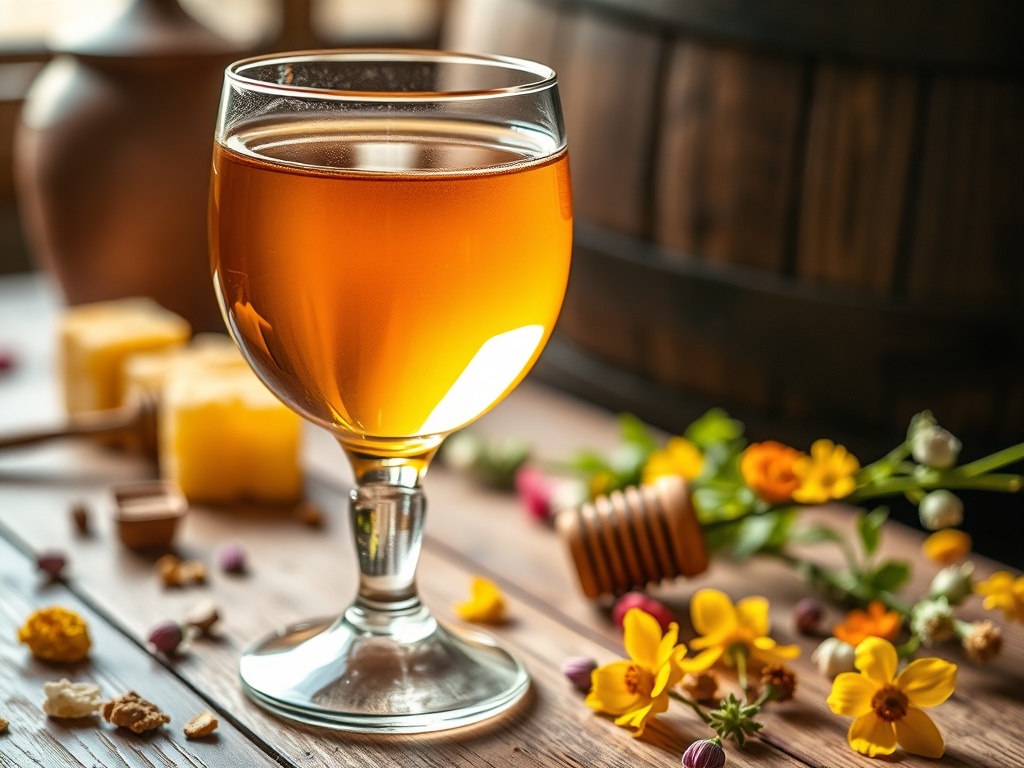
Key Takeaways
- Mead's base flavor is always honey-forward, but sweetness levels vary from bone-dry to dessert-sweet depending on residual sugar content.
- Honey variety dramatically affects taste—wildflower creates earthy complexity, orange blossom offers citrus brightness, and buckwheat produces molasses-like depth.
- Traditional mead tastes clean and wine-like, while melomels (fruit meads) and metheglins (spiced meads) add layers of berry, citrus, cinnamon, or herb flavors.
- Carbonation level changes mouthfeel significantly—still meads feel smooth and coating, while sparkling meads taste lighter and champagne-like.
- Aging transforms mead flavor from bright and floral when young to mellow and complex with notes of oak, vanilla, and sherry when aged 1-3 years.
What Is the Primary Flavor Profile of Traditional Mead?
Traditional mead—made from only honey, water, and yeast—tastes like a harmonious blend of liquid honey and white wine. The honey provides the foundational sweetness and aromatic character, while fermentation creates wine-like alcohol warmth, acidity, and body. According to the Beer Judge Certification Program style guidelines, traditional mead should showcase the honey variety's unique characteristics without competing flavors from fruit or spices.
The flavor intensity depends heavily on the honey-to-water ratio used during fermentation. A semi-sweet traditional mead typically presents moderate honey sweetness balanced by gentle acidity, creating a flavor comparable to Riesling or Moscato wine but with a distinctly floral, beeswax quality. The finish is smooth and warming, with lingering honey notes that coat the palate without becoming cloying.
Mead's alcohol content, usually between 12-14% ABV for traditional styles, contributes a warming sensation similar to wine. Unlike beer's malty or hoppy profile, mead offers clean fermentation character that lets honey's natural complexity shine through. The American Mead Makers Association notes that well-crafted traditional mead should taste balanced—neither too sweet nor too dry—with honey as the star ingredient rather than a supporting note.
Related: How Long Does Mead Take to Ferment — Complete Timeline | WhichBrewForYou
How Does Honey Variety Change Mead's Taste?
Honey variety is the single most influential factor in mead flavor, creating taste differences as dramatic as grape varietals in wine. Each honey source imparts unique flavor compounds, aromatics, and color characteristics that define the finished mead's personality.
Common Honey Types and Their Flavor Contributions
| Honey Type | Color | Flavor Profile | Best For |
|---|---|---|---|
| Wildflower | Amber | Complex, earthy, floral with variable notes | Traditional mead, beginners |
| Orange Blossom | Light amber | Bright citrus, delicate floral, slight tartness | Light, crisp meads |
| Clover | Light golden | Mild, clean, subtle sweetness | Showcase yeast character |
| Buckwheat | Very dark | Molasses, malty, robust, tannic | Sweet, dessert-style meads |
| Acacia | Very light | Vanilla, delicate, low acidity | Dry, sparkling meads |
| Heather | Dark amber | Smoky, woody, lingering finish | Complex traditional meads |
Wildflower honey, sourced from mixed nectar sources, creates the most versatile mead base with balanced sweetness and moderate complexity. Orange blossom honey produces meads with pronounced citrus aromatics and a refreshing, slightly acidic finish that works exceptionally well in semi-sweet styles. Research published in the Journal of Food Science demonstrates that floral compounds in honey survive fermentation intact, directly influencing mead's aromatic profile.
Buckwheat honey creates intensely flavored meads with dark caramel, molasses, and coffee notes—often described as "the stout of meads." The high mineral content and robust phenolic compounds produce a full-bodied, almost savory character that pairs well with aging in oak barrels. Conversely, delicate acacia honey yields light, crisp meads with vanilla undertones and minimal color, ideal for dry or sparkling styles where subtlety is desired.
What Do Different Mead Sweetness Levels Taste Like?
Mead sweetness varies along a spectrum from bone-dry to dessert-sweet, fundamentally altering the tasting experience. Sweetness is determined by residual sugar—the unfermented honey remaining after yeast completes fermentation.
Dry Mead (0-2% Residual Sugar)
Dry mead tastes crisp, tart, and wine-like with minimal perceptible sweetness. The honey character presents as delicate floral aromatics and subtle flavor rather than outright sweetness. Dry meads often exhibit pronounced acidity, creating a refreshing, palate-cleansing quality similar to Sauvignon Blanc or dry Champagne. The finish is clean and brief, with gentle honey notes that don't linger. Experienced tasters describe dry mead as "thinking person's honey wine"—complex and food-friendly rather than immediately approachable.
Semi-Sweet Mead (4-8% Residual Sugar)
Semi-sweet mead represents the middle ground and is often recommended for first-time mead drinkers. This style balances noticeable honey sweetness with refreshing acidity, creating a harmonious flavor that showcases honey without becoming cloying. The mouthfeel is smooth and slightly viscous, with moderate alcohol warmth. Semi-sweet meads taste similar to off-dry Riesling or Gewürztraminer wines, offering immediate honey appeal while maintaining drinkability across multiple servings.
Related: Honey vs Sugar: Which Is Better for Bottle Carbonation? | WhichBrewForYou
Sweet Mead (10-15% Residual Sugar)
Sweet mead delivers rich, dessert-like flavors with pronounced honey presence throughout the tasting experience. The texture becomes noticeably coating and full-bodied, with syrupy mouthfeel in the sweetest examples. Flavors evolve toward caramel, toffee, and honeycomb, with the alcohol providing necessary balance to prevent excessive sweetness. Sweet meads work best served in small portions as digestifs or dessert pairings, similar to Port or Sauternes wine.
According to GotMead's comprehensive tasting database, semi-sweet styles consistently receive the highest ratings from casual drinkers, while experienced mead enthusiasts often prefer dry or extra-dry styles that showcase honey variety and fermentation complexity over straightforward sweetness.
How Do Fruit and Spice Additions Change Mead Flavor?
While traditional mead contains only honey, water, and yeast, most commercial and home-brewed meads incorporate additional ingredients that dramatically expand flavor possibilities. These additions create distinct subcategories with unique taste profiles.
Melomel (Fruit Mead) Flavor Profiles
Melomels combine honey and fruit, creating flavor synergies where honey's sweetness enhances fruit character while fruit acidity balances honey's richness. Cyser (apple mead) tastes like spiced cider with honey depth, offering crisp apple tartness rounded by honey smoothness. Pyment (grape mead) creates a hybrid between wine and mead with complex tannin structure, berry flavors, and honey aromatics layered together.
Berry melomels—particularly those using blueberries, blackberries, or raspberries—produce vibrant, tart-sweet meads with jammy fruit flavors and bright acidity cutting through honey's weight. The Golden Hive Mead brewing guide recommends using 2-4 pounds of fruit per gallon to achieve balanced fruit-honey integration without one element overwhelming the other.
Metheglin (Spiced Mead) Complexity
Metheglins incorporate herbs, spices, or botanicals, creating warming, aromatic meads with layered complexity. Cinnamon and clove additions produce flavors reminiscent of mulled wine or spiced cider, with honey providing a smooth base for bold spice notes. Ginger metheglin offers sharp, warming heat balanced by honey sweetness, creating a flavor profile similar to ginger beer but with wine-like alcohol structure.
Herbal metheglins using lavender, rose petals, or chamomile create delicate, perfumed meads with tea-like qualities and floral aromatics intensified beyond what honey alone provides. Vanilla bean additions soften harsh edges and add creamy, dessert-like character that pairs exceptionally well with oak aging. The key to successful metheglin is restraint—too much spice overwhelms honey's natural complexity rather than complementing it.
What Does Carbonated Versus Still Mead Taste Like?
Carbonation level fundamentally changes mead's mouthfeel, perceived sweetness, and overall drinking experience, even when the actual sugar and flavor content remains identical.
Still mead, the traditional presentation style, feels smooth, coating, and wine-like on the palate. The lack of carbonation allows honey flavors to develop fully across the tongue, creating a rich, contemplative tasting experience. Still meads emphasize texture and subtle flavor nuances, making them ideal for showcasing rare honey varieties or complex aging character. The mouthfeel is viscous and full, particularly in semi-sweet and sweet styles, with alcohol warmth providing the primary palate sensation beyond honey flavor.
Sparkling mead transforms the tasting experience dramatically through carbonation's lifting effect on both aromatics and perceived acidity. The bubbles carry volatile honey compounds to the nose more effectively, intensifying floral and fruity aromatics. Carbonation also creates a perception of increased dryness and crispness, making even semi-sweet meads taste more refreshing and less heavy than their still counterparts. The mouthfeel becomes light and champagne-like, with effervescence cutting through honey's natural richness.
Research from PubMed on carbonation's effects on taste perception demonstrates that carbonation enhances sour and bitter taste receptors while suppressing sweet perception, explaining why carbonated meads taste markedly drier than chemically identical still versions. This makes sparkling presentation particularly effective for sweet meads that might otherwise taste cloying, as the bubbles provide palate-cleansing refreshment between sips.
How Does Aging Affect Mead's Taste Profile?
Mead undergoes dramatic flavor evolution during aging, transforming from bright and one-dimensional when young to smooth and complex with extended cellaring. Unlike beer, which generally deteriorates with age, mead improves over time due to honey's natural preservative properties and high sugar content that prevents oxidation.
Young mead (under 6 months) tastes sharp, hot from alcohol, and often exhibits harsh fermentation characteristics. The honey flavor presents as simple sweetness rather than nuanced complexity, and any fruit or spice additions taste raw and unintegrated. Acidity feels pronounced and occasionally unbalanced, particularly in dry styles. Experienced meadmakers describe young mead as "green" or "immature," requiring patience before reaching optimal drinking quality.
Aged mead (1-3 years) develops mellow, rounded flavors with integrated complexity. The alcohol heat subsides into smooth warmth, acidity softens, and honey character evolves from simple sweetness into layered notes of caramel, vanilla, beeswax, and nuttiness. Fruit meads see berry flavors transition from bright and tart to jammy and wine-like. Traditional meads develop sherry-like oxidative notes, toasted almond character, and increased color depth ranging from golden amber to rich mahogany.
Oak aging introduces additional complexity through micro-oxygenation and wood-derived compounds. Oak-aged meads taste of vanilla, coconut, cedar, and subtle tannins that add structure and drying astringency to the finish. The Meadist's aging research indicates that meads aged in oak barrels for 12-24 months develop flavor profiles comparable to aged Chardonnay or sherry, with oxidative complexity balanced by honey's preservative qualities.
What Temperature Should You Serve Mead for Optimal Flavor?
Serving temperature dramatically affects mead's flavor perception, aromatics, and overall tasting experience. Proper temperature presentation unlocks honey complexity while preventing alcohol harshness or excessive sweetness.
Dry and semi-sweet meads taste best served chilled to 45-50°F (7-10°C), similar to white wine serving temperature. This temperature range highlights crisp acidity, preserves delicate floral aromatics, and prevents alcohol from dominating the palate. Cold service makes the mead refreshing and food-friendly, ideal for pairing with light meals or enjoying on warm days. Chilling also reduces perceived sweetness through taste receptor suppression, making semi-sweet styles taste more balanced.
Sweet and dessert meads benefit from slightly warmer service at 50-55°F (10-13°C), approaching the temperature of premium dessert wines like Sauternes or ice wine. The warmer temperature allows rich caramel and toffee notes to develop fully while maintaining enough coolness to prevent cloying sweetness. This temperature range also enhances viscosity perception, creating a luxurious, coating mouthfeel appropriate for dessert-style beverages.
Traditional and aged meads, particularly those with oak influence or oxidative character, can be served at cellar temperature (55-60°F / 13-16°C) to showcase complexity. The warmer service amplifies nutty, sherried notes and allows alcohol warmth to integrate smoothly into the overall flavor profile. However, avoid serving any mead at room temperature above 65°F (18°C), as excessive warmth makes alcohol taste harsh and honey flavors become muddled rather than complex.
People Also Ask About Mead Taste
Does mead taste like beer or wine?
Mead tastes much closer to wine than beer, sharing wine's alcohol warmth, body, and complexity. However, mead lacks grape tannins and tastes distinctly of honey rather than fruit, creating a unique flavor category between wine and liqueur.
Is mead supposed to taste like vinegar?
No, properly made mead should never taste like vinegar. Vinegar flavor indicates bacterial infection during fermentation or storage, specifically acetobacter converting alcohol to acetic acid. Quality mead has balanced acidity from fermentation but no harsh vinegar notes.
Why does some mead taste alcoholic and harsh?
Young mead often tastes hot and alcoholic because fermentation produces fusel alcohols that require aging to mellow. Proper aging for 6-12 months allows these harsh compounds to integrate, creating smooth alcohol warmth rather than burning harshness on the palate.
What Does Mead Taste Like Compared to Other Honey Beverages?
Understanding mead's flavor requires comparing it to other honey-based drinks that share ingredients but differ in production methods and final taste profiles.
Mead versus honey beer represents a fundamental difference in base ingredients and fermentation. While mead derives all fermentable sugars from honey, honey beer uses malted grain as the primary sugar source with honey added for flavor. Honey beer tastes primarily like beer—malty, hoppy, or yeasty—with honey providing subtle sweetness and aromatics rather than the dominant flavor. The alcohol content of honey beer (typically 5-8% ABV) is also significantly lower than mead's 12-18% ABV, creating a lighter, more sessionable drinking experience.
Honey wine, despite its name, is essentially mead by another term—fermented honey without grape involvement. Some commercial producers use "honey wine" for marketing purposes to make the product more approachable to wine drinkers unfamiliar with mead terminology. The taste is identical to traditional mead when production methods remain the same. However, pyment—a true mead-wine hybrid made from both honey and grapes—tastes distinctly different, combining grape tannins and fruit character with honey sweetness and floral notes.
Hydromel, a lower-alcohol mead style (typically 3-7% ABV), tastes lighter and more sessionable than traditional mead while maintaining honey-forward character. The reduced alcohol makes hydromel less warming and more refreshing, similar to a hard cider or light white wine. The honey flavor remains prominent but feels less intense due to higher water content during fermentation. According to American Homebrewers Association guidelines, hydromel offers an excellent introduction to mead for those intimidated by high-alcohol traditional styles.
How Does Commercial Mead Taste Different from Homebrew?
Commercial meaderies and home mead makers often produce dramatically different flavor profiles due to variations in equipment, ingredients, quality control, and production scale. Understanding these differences helps set appropriate expectations when exploring mead.
Commercial meaderies typically use professional-grade yeast strains specifically selected for clean fermentation and consistent flavor production. These commercial yeasts create predictable, refined flavor profiles with minimal off-notes or fermentation defects. Homebrew mead, particularly from beginners, may exhibit wild yeast character, incomplete fermentation, or oxidation issues that create unexpected flavors—sometimes pleasantly complex, sometimes undrinkably flawed.
Temperature control during fermentation dramatically affects final flavor. Commercial operations maintain precise fermentation temperatures (typically 60-68°F) that promote clean yeast character and preserve delicate honey aromatics. Home brewers often ferment at ambient temperatures that fluctuate significantly, potentially creating fruity esters, fusel alcohols, or stressed yeast flavors that taste hot and solvent-like. Professional temperature control produces cleaner, more refined mead flavor, while temperature variations in homebrewing can create either desirable complexity or unpleasant harshness.
Ingredient quality differs substantially between commercial and homebrew operations. Commercial meaderies often contract directly with beekeepers for specific honey varieties, ensuring consistent flavor profiles across batches. Homebrewers typically use grocery store honey or small-batch artisan honeys, creating greater batch-to-batch variation but sometimes superior character when rare honey varieties are sourced. The Golden Hive Mead resource center emphasizes that honey quality matters more than equipment sophistication in determining final mead flavor.
Carbonation consistency also varies significantly. Commercial meaderies use forced carbonation or precise priming calculations to achieve exact CO2 volumes, creating champagne-like effervescence. Homebrew carbonation through bottle conditioning often produces inconsistent results, with some bottles under-carbonated and others gushing from over-carbonation. This affects both mouthfeel and perceived flavor intensity.
Expert Verdict: Understanding Mead's Unique Flavor Identity
Mead occupies a distinct flavor category that defies simple comparison to beer or wine. The taste ranges from crisp and wine-like in dry styles to rich and dessert-like in sweet versions, but honey remains the defining characteristic across all variations. First-time mead drinkers should start with semi-sweet traditional meads made from wildflower or orange blossom honey to experience the foundational flavor before exploring fruit meads, spiced varieties, or extreme dry or sweet styles.
The single most important factor determining mead flavor is honey quality and variety—invest in interesting, single-source honeys for the most rewarding tasting experiences. Proper aging transforms good mead into exceptional mead, so patience rewards those willing to cellar bottles for 12-24 months. Serve chilled for optimal balance, and remember that mead's 12-18% ABV demands the same respect given to wine rather than casual beer-like consumption.
For those interested in exploring mead's full flavor spectrum, seek out meaderies offering tasting flights that showcase sweetness level variations and honey variety comparisons. The educational value of tasting semi-sweet wildflower mead alongside dry buckwheat mead and sweet orange blossom mead in sequence far exceeds written descriptions in conveying honey wine's remarkable versatility.
Summary: What You Need to Know About Mead Flavor
- Mead tastes primarily of honey with wine-like body, ranging from dry and crisp to sweet and dessert-like depending on residual sugar content and fermentation style.
- Honey variety creates dramatic flavor differences—wildflower offers balanced complexity, orange blossom provides citrus brightness, and buckwheat delivers molasses-like intensity.
- Traditional mead contains only honey, water, and yeast, while melomels add fruit and metheglins incorporate spices, creating diverse flavor profiles beyond basic honey wine.
- Carbonation level changes perception significantly—still meads taste rich and coating while sparkling meads feel light and champagne-like with enhanced aromatics.
- Aging develops mead from harsh and simple when young to smooth and complex after 1-3 years, with flavors evolving toward caramel, vanilla, sherry, and toasted nuts.
Frequently Asked Questions
Is mead sweet like honey or dry like wine?
Mead can be either sweet or dry depending on fermentation style and residual sugar. Dry meads taste crisp and tart with subtle honey aromatics, while sweet meads deliver rich honey flavor throughout. Semi-sweet styles balance both characteristics and are most approachable for beginners.
What is the alcohol content of mead and how does it affect taste?
Traditional mead typically contains 12-18% ABV, similar to wine. This alcohol level creates warming sensation and full body without harsh burn when properly aged. Higher alcohol meads (14%+) taste richer and more dessert-like, while lower-alcohol hydromels (under 8%) taste lighter and more sessionable.
Does mead taste good to people who don't like wine?
Yes, many wine skeptics enjoy mead because honey's natural sweetness and smooth character differs from grape wine's acidity and tannins. Semi-sweet fruit meads particularly appeal to those who find wine too dry or harsh, offering approachable sweetness without wine's astringency.
How long does mead last once opened and does the taste change?
Opened mead lasts 3-6 months refrigerated if properly sealed. The flavor gradually oxidizes, developing nutty, sherried notes that some find pleasant and others consider stale. Still meads hold flavor longer than sparkling meads, which lose carbonation within 48 hours after opening.
What foods pair best with mead's flavor profile?
Dry mead pairs excellently with soft cheeses, roasted chicken, and seafood. Semi-sweet mead complements spicy Asian cuisine, barbecue, and fruit desserts. Sweet mead works as a dessert wine with chocolate, blue cheese, or nut-based pastries, similar to Port wine pairings.
Can you taste the difference between cheap and expensive mead?
Yes, honey quality creates dramatic taste differences. Premium meads using single-source artisan honeys taste complex and nuanced with distinct terroir, while inexpensive meads using blended commercial honey taste one-dimensional and simply sweet. Proper aging and production techniques also separate quality levels clearly on the palate.
More Mead Articles
This article was produced by an automated research tool. Content is for informational purposes only and should not replace professional advice. Product and resource links throughout this article are included for informational value based on relevance and quality. WhichBrewForYou has no affiliate relationship with any linked third-party site and receives no commission from any recommended products or brands. BellofattoBrews (coffee and tea) and Golden Hive Mead (mead kits and resources) are personal recommendations from this publication's founder and have no affiliation with WhichBrewForYou.