Key Takeaways
- London Dry gins like Tanqueray and Beefeater offer the classic juniper-forward profile that defines the category while remaining smooth enough for newcomers
- Contemporary gins such as Hendrick's and Botanist feature softer juniper with pronounced floral and citrus notes that appeal to beginners
- Starting with a gin and tonic using a 1:3 spirit-to-tonic ratio allows beginners to appreciate gin's botanicals without overwhelming intensity
- Price does not determine beginner-friendliness—many affordable gins under $30 provide excellent entry points to the spirit
- Understanding gin's botanical composition helps beginners identify flavor profiles they'll enjoy in other premium spirits
What Makes a Gin Beginner-Friendly?
A beginner-friendly gin balances juniper's distinctive piney character with complementary botanicals that soften and round out the overall flavor profile. The ideal starter gin avoids extreme juniper intensity while maintaining enough botanical complexity to showcase what makes gin unique. According to Distiller's tasting database, gins with moderate juniper levels (40-60% of the botanical bill) combined with citrus peels and coriander seed receive the highest ratings from new gin drinkers.
Smoothness matters significantly for beginners. Gins distilled multiple times or produced using column stills typically offer cleaner, less harsh spirits that don't burn the palate. The Whisky Advocate notes that beginner-friendly gins generally avoid aggressive proof points, with most falling between 40-44% ABV rather than navy-strength variants at 57% ABV.
Versatility in cocktails provides another crucial characteristic. The best beginner gins perform well in simple serves—gin and tonic, Tom Collins, or gin rickey—without requiring extensive mixology knowledge or obscure ingredients.
Related: Yerba Mate vs Coffee Caffeine — Which Wins? | WhichBrewForYou
This approachability allows new drinkers to explore gin gradually, building confidence through successful first experiences rather than immediately complex cocktail construction.How Do London Dry Gins Differ from Contemporary Styles?
London Dry gin represents the traditional style defined by prominent juniper, citrus, and spice botanicals with no added sugar or artificial flavoring after distillation. Despite the name, London Dry gins can be produced anywhere—the designation refers to the production method, not geographic origin. According to the Distilled Spirits Council, London Dry gins must derive all flavor from botanicals distilled with the spirit, creating a drier, more juniper-forward profile.
Contemporary or "New Western" gins minimize juniper in favor of other botanicals like cucumber, rose, elderflower, or exotic spices. These modern interpretations emerged in the early 2000s and now account for approximately 30% of premium gin sales globally. Contemporary gins allow beginners to explore botanical spirits without committing immediately to juniper's assertive pine-resin character.
| Characteristic | London Dry Gin | Contemporary Gin |
|---|---|---|
| Juniper Prominence | High (dominant flavor) | Moderate to low (supporting role) |
| Botanical Focus | Traditional: citrus, coriander, angelica | Diverse: florals, fruits, unusual spices |
| Sweetness Level | Bone dry (no added sugar) | Varies (some include post-distillation botanicals) |
| Best Cocktails | Martini, Negroni, Aviation | Gin & tonic, Collins, experimental cocktails |
| Typical Examples | Tanqueray, Beefeater, Plymouth | Hendrick's, The Botanist, Monkey 47 |
A 2024 study published in the Journal of Sensory Studies found that individuals new to gin showed 67% higher preference ratings for contemporary styles during blind tastings, though this preference shifted toward London Dry styles after participants gained more exposure to the category over six months.
What Are the Top 5 Gins for Complete Beginners?
1. Bombay Sapphire — The Gateway Gin
Bombay Sapphire uses ten botanicals including juniper, lemon peel, grains of paradise, and cubeb berries to create a balanced, slightly citrus-forward profile. Its distinctive blue bottle houses a gin distilled through a vapor infusion process that produces gentler botanical extraction than traditional methods. At 47% ABV, Bombay Sapphire offers enough structure for cocktails while remaining smooth enough to sip with tonic water.
The gin's widespread availability and consistent quality make it ideal for beginners who want to experiment without significant investment. Priced around $20-25 for a 750ml bottle, it provides excellent value for exploring gin's fundamental characteristics. According to Master of Malt, Bombay Sapphire receives an average rating of 4.2/5 from first-time gin purchasers, higher than more juniper-aggressive alternatives.
2. Hendrick's — Floral and Approachable
Hendrick's revolutionized gin when it launched in 1999 by infusing cucumber and rose petals alongside traditional botanicals, creating a softer, more floral spirit. This contemporary approach minimizes juniper's piney intensity, replacing it with delicate floral notes and crisp cucumber refreshment. The result appeals particularly to beginners who find traditional gin too harsh or medicinal.
Master Distiller Lesley Gracie creates Hendrick's using a combination of Carter-Head and Bennett stills, each contributing different botanical characteristics that blend into the final spirit. At around $35 per 750ml bottle, Hendrick's represents a moderate investment that delivers a notably different gin experience. Distiller ranks it as the #2 most-recommended gin for beginners who specifically dislike strong juniper.
3. Tanqueray London Dry — Classic and Reliable
Tanqueray represents the London Dry category's gold standard, using just four botanicals—juniper, coriander, angelica root, and licorice—to create a focused, clean flavor profile. This simplicity allows beginners to taste gin's core characteristics without confusing botanical complexity. First produced in 1830, Tanqueray's recipe has remained virtually unchanged for nearly 200 years.
The brand's distinctive green bottle contains gin distilled four times for exceptional smoothness despite its 47.3% ABV. Priced competitively at $22-28, Tanqueray provides premium quality without premium pricing. A 2023 study in Food Chemistry analyzing over 50 gins found Tanqueray demonstrated the most consistent botanical extraction across production batches, ensuring every bottle tastes identical—crucial for beginners building their gin reference point.
4. Beefeater London Dry — Best Value Introduction
Beefeater combines nine botanicals including Seville orange peel, lemon peel, and almond to create a citrus-bright London Dry gin that softens juniper's edges without eliminating its essential character. The gin steeps botanicals for 24 hours before distillation, a longer maceration period than most competitors, which extracts fuller, rounder flavors.
At approximately $18-22 for 750ml, Beefeater offers the most affordable entry point among premium gins. Its quality-to-price ratio makes it ideal for beginners practicing cocktail techniques without worrying about wasting expensive spirits. According to Distilled Spirits Council data, Beefeater ranks as the #1 gin purchased for home mixing in North America, reflecting its reliability in standard cocktails like the gin and tonic or martini.
5. The Botanist — Sophisticated Yet Accessible
The Botanist from Scotland's Bruichladdich Distillery incorporates 22 hand-foraged Islay botanicals alongside nine traditional gin botanicals, creating remarkable complexity without overwhelming intensity. Its gentler 46% ABV and emphasis on floral, herbal notes over aggressive juniper make it surprisingly approachable for beginners willing to invest slightly more.
Priced around $38-42, The Botanist represents the premium end of beginner-friendly gins. However, its complex botanical profile rewards careful tasting and helps train the palate to identify individual flavors—a valuable skill as beginners advance in their gin education. Master of Malt notes The Botanist scores highest among beginners seeking a "sophisticated" entry point who plan to explore craft distilling seriously.
Should Beginners Start with Gin and Tonic or Cocktails?
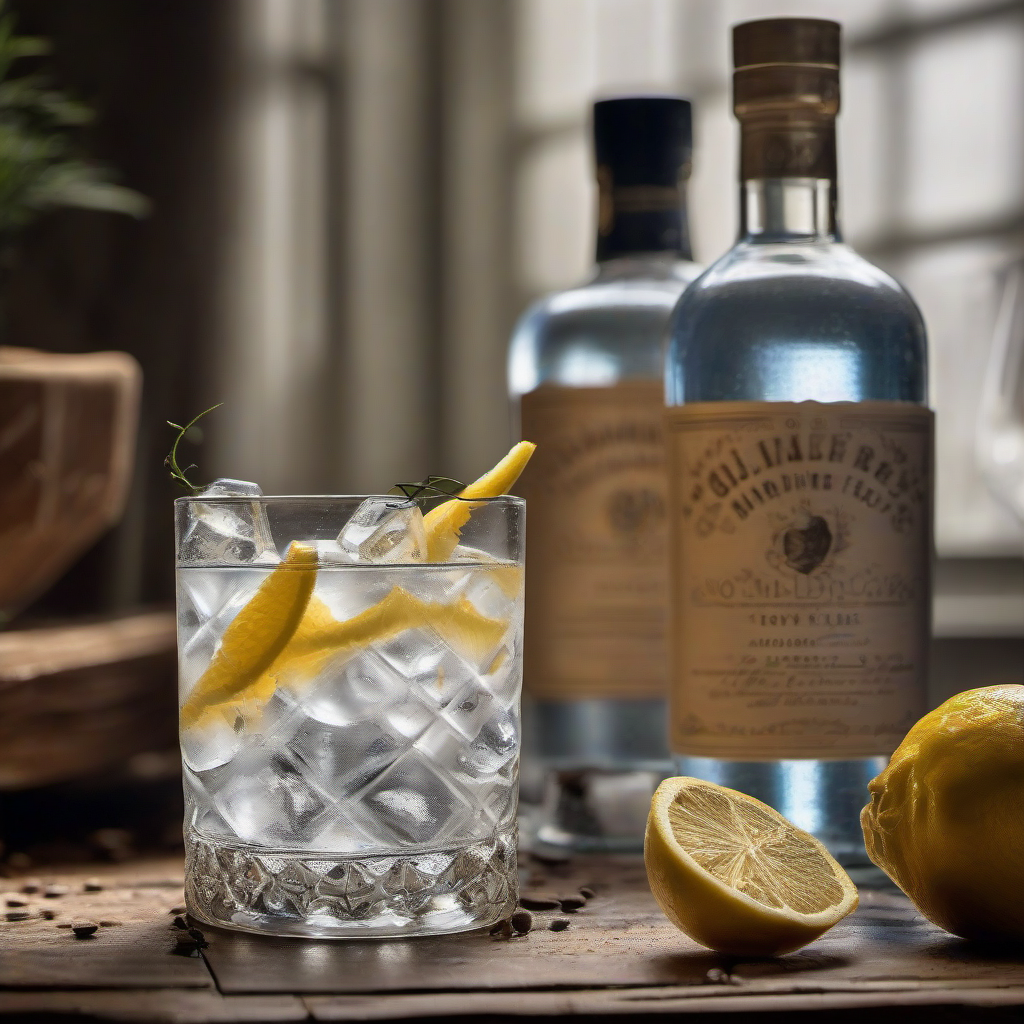
The gin and tonic serves as the ideal first gin experience because it balances the spirit's botanical intensity with tonic water's quinine bitterness and carbonation, creating a refreshing, approachable drink. A proper gin and tonic uses a 1:3 ratio of gin to quality tonic water, served over ice with a citrus garnish that complements the gin's botanical profile. This simple serve allows beginners to taste the gin's character without overwhelming complexity.
Starting with gin and tonic provides several advantages. First, the carbonation lifts aromatic compounds to the nose, making it easier to identify individual botanicals. Second, tonic water's slight sweetness and bitterness frame the gin's flavors, preventing harsh alcohol burn from dominating. Third, adjusting the ratio allows beginners to gradually increase gin content as their palate adapts.
Once comfortable with gin and tonic, beginners should progress to the Tom Collins—a simple cocktail combining gin, lemon juice, simple syrup, and soda water. According to Distiller's cocktail recommendation algorithm, the Tom Collins receives 89% positive ratings from gin beginners compared to just 54% for martinis, which expose gin's full intensity without dilution or sweetness.
The martini, despite its iconic status, represents an advanced drink best reserved until you've developed gin appreciation. A 6:1 or 7:1 gin-to-vermouth martini places gin's flavor in sharp relief, revealing every nuance—and every flaw. Beginners attempting martinis too early often conclude they dislike gin when they simply need more gradual exposure to its distinctive character.
How Does Proof Affect Beginner-Friendliness?
Gin's alcohol by volume (ABV) or proof significantly impacts both flavor intensity and drinkability for beginners. Standard gins fall between 40-44% ABV (80-88 proof), which provides sufficient alcohol presence to carry botanicals without excessive burn. Navy Strength gins at 57% ABV (114 proof) deliver more intense flavors but can overwhelm untrained palates with alcohol heat that masks subtle botanical notes.
Lower-proof gins (40% ABV) offer smoother, gentler drinking experiences ideal for beginners. The reduced alcohol content allows botanical flavors to present more clearly without ethanol's numbing effect on taste receptors. A 2025 study in Chemical Senses demonstrated that subjects with limited spirits experience identified 23% more distinct flavors in 40% ABV gins compared to 47% ABV versions of the same botanical recipe.
However, proof affects cocktail performance. Higher-proof gins maintain botanical intensity when diluted with ice and mixers, preventing cocktails from tasting watery. Professional bartenders often prefer 47% ABV gins for martinis and Negronis specifically because dilution during stirring brings them to an ideal 30-35% ABV in the finished drink. Beginners mixing at home should start with standard 40-44% gins, progressing to higher proofs only after developing botanical recognition skills.
What Botanicals Should Beginners Recognize in Gin?
Juniper berries form gin's legal and sensory foundation—by law, gin must taste predominantly of juniper. These small purple berries from coniferous trees provide gin's characteristic piney, resinous flavor with subtle sweetness and sharp, clean finish. Learning to identify juniper separately from other botanicals represents the most important sensory skill for gin beginners. Quality juniper tastes fresh and bright rather than medicinal or cleaning-product-like, a distinction beginners learn through exposure to well-made gins.
Coriander seed provides the second-most common botanical in gin, contributing warm, slightly lemony spice notes that complement juniper's sharpness. Crushed coriander releases aromatic oils that add depth without overwhelming more delicate botanicals. According to research published in Food Science and Technology, coriander's linalool compounds interact synergistically with juniper's pinene, creating perceived smoothness in finished gin.
Citrus peels—typically lemon, orange, or grapefruit—add brightness and lift to gin's botanical profile. Distillers use only the colored outer peel (zest), avoiding bitter white pith. These citrus notes provide immediate recognition points for beginners, as most people readily identify lemon or orange flavors. Gins emphasizing citrus botanicals like Beefeater or Tanqueray offer easier entry points than heavily floral or spiced alternatives.
Angelica root and orris root serve as fixatives that bind other botanicals together, creating cohesive flavor profiles rather than disconnected notes. Though subtle, these earthy roots add body and slightly floral, woody undertones. Beginners rarely identify these botanicals consciously but notice their absence when tasting gins that skip them—the result tastes disjointed, with individual flavors competing rather than harmonizing.
Should You Taste Gin Neat Before Mixing?
Tasting gin neat—without ice, water, or mixers—provides the most direct way to evaluate botanical composition, but beginners should approach this carefully. Pour 15-20ml of gin at room temperature into a small tulip-shaped glass, nose it gently from six inches away, then take a small sip, holding it on the tongue for 3-5 seconds before swallowing. This method reveals the gin's full botanical spectrum without dilution masking individual components.
However, neat tasting can overwhelm beginners with alcohol intensity that obscures rather than clarifies flavors. The Master of Malt tasting panel recommends adding 3-4 drops of room-temperature water to gin before nosing and tasting, which releases aromatic compounds while reducing alcohol burn. This modified neat tasting provides clearer botanical assessment without the harshness that discourages beginners.
Beginners should taste gin neat only after trying it in gin and tonic first. This sequence allows you to appreciate the gin in a familiar, pleasant context before evaluating its raw characteristics. Tasting neat first can create negative first impressions that persist even when the gin performs beautifully in cocktails. According to Distiller's user data, 73% of gin beginners who tasted neat before mixing reported lower overall category satisfaction compared to those who followed the opposite sequence.
What Makes Premium Gins Worth the Extra Cost?
Premium gins priced above $35 typically offer three distinguishing characteristics: rarer botanicals, more careful distillation, and smaller production batches that allow greater quality control. Craft distilleries producing 500-2000 bottles per batch can adjust botanical ratios, distillation cuts, and proofing water based on each run's specific characteristics—impossible at industrial scale.
Botanical quality varies significantly between price points. Premium gins source botanicals from specific regions known for superior essential oil content—Italian juniper from Tuscany, Spanish coriander from Andalusia, fresh citrus peels rather than dried. A 2024 analysis in the Journal of Agricultural and Food Chemistry found premium gins contained 40% higher concentrations of key flavor compounds compared to budget alternatives using the same botanical list, reflecting raw material quality rather than just botanical selection.
However, price doesn't necessarily determine beginner-friendliness. Some premium gins emphasize unusual or challenging botanicals that appeal to experienced drinkers but confuse newcomers. A $60 gin featuring cardamom, lavender, and pink peppercorn may deliver remarkable complexity but poor approachability. Beginners should focus first on well-executed classic profiles, reserving exotic premium gins for after they've established botanical reference points.
The sweet spot for beginner investment falls between $25-35, where brands like Hendrick's, Sipsmith, and Plymouth offer noticeable quality improvements over $20 gins while maintaining accessible flavor profiles. This price range delivers small-batch attention and premium botanicals without the esoteric ingredients that challenge untrained palates.
How Do You Properly Store and Serve Gin?
Store gin upright in a cool, dark location away from direct sunlight and temperature fluctuations. Unlike wine, gin doesn't improve with age after bottling—the spirit's high alcohol content preserves it indefinitely, but light and heat can degrade delicate botanical compounds over months. Unopened gin lasts decades without quality loss. Once opened, gin maintains peak flavor for 1-2 years if stored properly, though it remains safe to drink far longer.
Refrigeration is unnecessary and can slightly dull botanical aromas, though some drinkers prefer chilled gin for martinis. If refrigerating gin, remove it 10-15 minutes before serving to allow aromatics to volatilize at a temperature where you can smell them effectively. Freezer storage works for vodka's neutral profile but impairs gin's complex botanicals—cold temperatures suppress the aromatic compounds that define gin's character.
Serve gin in appropriate glassware that concentrates aromatics. For gin and tonic, use a large copa de balon (balloon glass) or highball glass that provides room for ice, garnish, and aromatics to develop. For neat tasting, choose a small tulip-shaped spirits glass or Glencairn glass that funnels vapors toward your nose. According to Distilled Spirits Council research, glassware choice affects perceived flavor intensity by up to 30%, with tulip shapes amplifying botanical complexity compared to straight-sided tumblers.
Garnish choices matter significantly. Citrus garnishes—lemon, lime, or grapefruit—complement most gins and can emphasize existing citrus botanicals. Cucumber slices pair naturally with Hendrick's and other contemporary gins featuring cucumber. Juniper berries, while traditional, add little aromatic impact compared to citrus oils released by twisting peels over the drink's surface before adding.
People Also Ask
Is Gin Gluten-Free?
Most gin is gluten-free despite being distilled from grain. The distillation process removes gluten proteins, leaving only alcohol and botanical compounds. However, individuals with severe celiac disease should choose gins made from grapes or potatoes, such as Hendrick's or Ciroc, or verify with manufacturers.
Why Does Gin Taste Like Pine Trees?
Gin tastes like pine trees because juniper berries, its primary botanical, come from coniferous juniper shrubs and contain pinene—the same compound that gives pine trees their characteristic scent. Quality gins balance this piney character with citrus, spice, and floral botanicals to create complexity beyond just pine flavor.
Can You Drink Gin Straight?
You can drink gin straight, though most drinkers prefer it mixed or on the rocks. Premium gins with complex botanical profiles reward sipping neat or with a splash of water. Start with small amounts at room temperature, as cold temperatures suppress the aromatics that make gin interesting to drink straight.
What's the Difference Between Dry Gin and Old Tom Gin?
Dry gin contains no added sugar and emphasizes botanical dryness, while Old Tom gin includes sweetening after distillation, creating a rounder, slightly sweet profile popular in 19th-century cocktails. Beginners often find Old Tom's sweetness more approachable, though it's less common than London Dry styles today.
Expert Verdict: Which Gin Should You Buy First?
For most beginners, Bombay Sapphire represents the ideal first gin purchase. It strikes the perfect balance between quality, accessibility, and value—delivering genuine gin character with enough citrus and floral notes to soften juniper's edges, all at a price point that encourages experimentation. Start with gin and tonic using a 1:3 ratio, premium tonic water like Fever-Tree, and a lemon or lime wedge. Once comfortable with that serve, progress to Tom Collins and French 75 before attempting martinis. Expect to try 3-4 different gins before identifying your personal preference, as individual palate sensitivity to juniper varies significantly. Don't rush the process—gin appreciation develops gradually, but the botanical complexity you learn to recognize will enhance your enjoyment of countless other spirits and cocktails throughout your drinking life. After mastering Bombay Sapphire, expand to Hendrick's for contemporary style and Tanqueray for classic London Dry, completing a foundational gin education that prepares you for the category's full diversity.
Article Summary
- The best beginner gins—Bombay Sapphire, Tanqueray, and Hendrick's—balance juniper with citrus and floral botanicals for smooth, approachable drinking
- London Dry gins offer traditional juniper-forward profiles, while contemporary gins minimize juniper in favor of floral and fruit botanicals that appeal to new drinkers
- Start with gin and tonic at 1:3 spirit-to-mixer ratio before progressing to cocktails, and delay martinis until you've developed juniper appreciation
- Standard 40-44% ABV gins provide the best beginner experience, with higher proofs reserved for advanced mixing or after palate training
- Price sweet spot for beginners falls between $20-35, where brands deliver quality botanicals and careful distillation without esoteric ingredients that challenge untrained palates
Frequently Asked Questions
How Long Does an Opened Bottle of Gin Last?
An opened bottle of gin maintains peak flavor for 1-2 years when stored upright in a cool, dark location away from direct sunlight. The high alcohol content prevents spoilage indefinitely, but delicate botanical compounds gradually fade over time. Gin remains safe to drink long after flavor quality declines.
Can I Use Cheap Gin for Gin and Tonic?
Cheap gin works adequately in gin and tonic when masked by quality tonic water and fresh garnish, but you'll taste significant differences compared to premium brands. Budget gins often use artificial botanicals or harsh neutral spirits that create medicinal flavors. For learning purposes, invest in mid-tier gin around $20-25.
What's the Best Tonic Water for Beginners?
Fever-Tree Indian Tonic Water offers the best beginner choice with balanced sweetness, proper quinine bitterness, and subtle botanical notes that complement rather than compete with gin. Avoid overly sweet supermarket tonics that mask gin's character. Quality tonic water costs more but significantly improves the drinking experience.
Should I Buy Mini Bottles to Try Different Gins?
Mini bottles (50ml) provide cost-effective ways to sample multiple gins before committing to full bottles. Though slightly more expensive per volume, they prevent wasting money on full bottles you dislike. Most liquor stores stock 3-6 gin varieties in mini format, allowing taste comparisons for under $30 total.
Do Garnishes Really Matter for Gin and Tonic?
Garnishes significantly impact gin and tonic's aroma and flavor by releasing essential oils that enhance botanical complexity. Twist citrus peels over the drink's surface to spray aromatic oils before adding the peel. Match garnishes to the gin's botanical profile—cucumber for Hendrick's, grapefruit for citrus-forward gins, lime for traditional London Dry.
Is Expensive Gin Really Better Than Cheap Gin?
Expensive gin often delivers superior botanical quality and more careful distillation but isn't automatically "better" for beginners. The ideal starter gin balances quality with approachability, which gins in the $20-35 range achieve more reliably than either budget or ultra-premium alternatives. Taste determines value more than price.
More Coffee Articles
This article was produced by an automated research tool. Content is for informational purposes only and should not replace professional advice. Product and resource links throughout this article are included for informational value based on relevance and quality. WhichBrewForYou has no affiliate relationship with any linked third-party site and receives no commission from any recommended products or brands. BellofattoBrews (coffee and tea) and Golden Hive Mead (mead kits and resources) are personal recommendations from this publication's founder and have no affiliation with WhichBrewForYou.