Key Takeaways
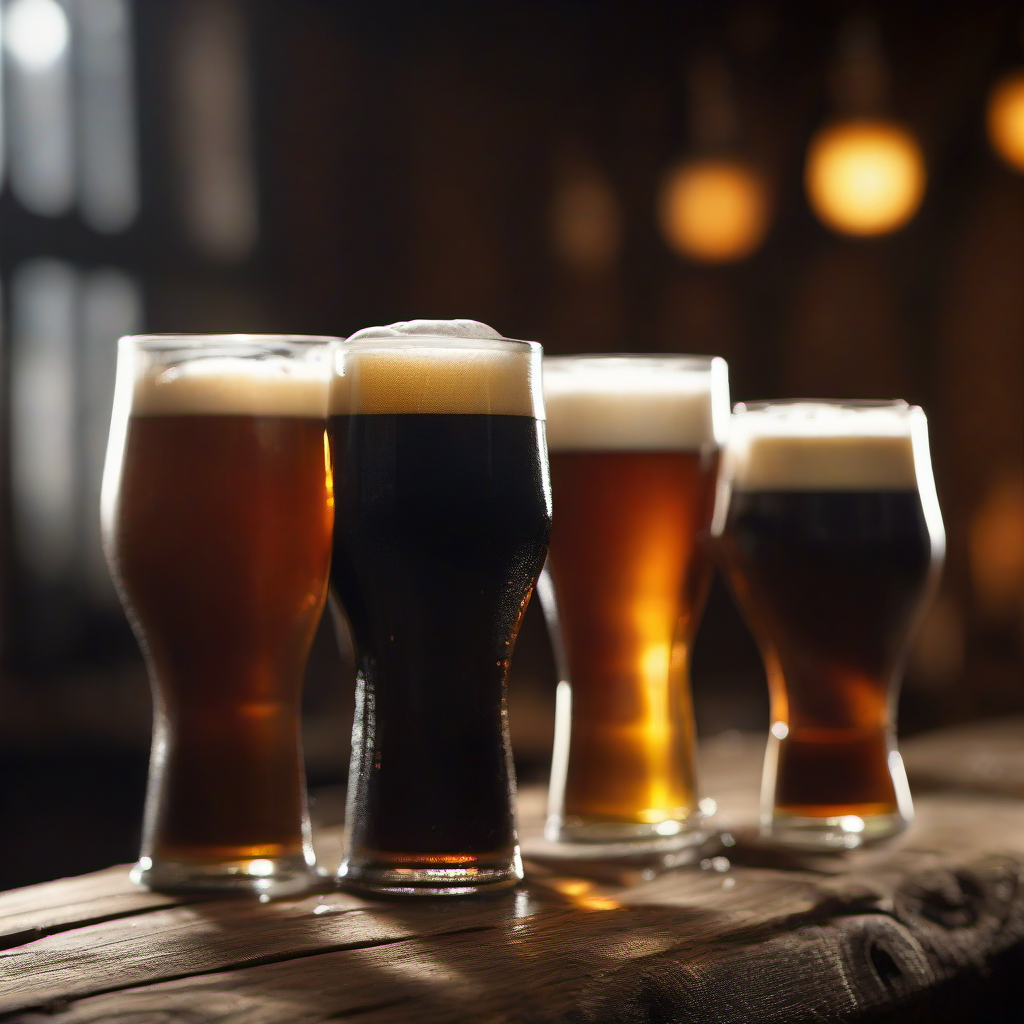
- Stouts average 5-8% ABV with fuller body and pronounced roasted malt character, while Porters typically range 4-6.5% ABV with lighter body and balanced malt sweetness.
- Choose Stouts for pairing with rich desserts, grilled meats, and strong cheeses; select Porters for seafood, lighter fare, and extended drinking sessions.
- Imperial Stouts and Dry Irish Stouts represent opposite ends of the Stout spectrum, offering dramatically different drinking experiences despite sharing a style name.
- Historical brewing methods once distinguished these styles, but modern craft brewing has blurred traditional boundaries, making flavor profile the primary selection criterion.
- Temperature serving recommendations differ: Stouts perform best at 50-55°F to release complex aromatics, while Porters shine at 45-50°F for refreshing drinkability.
What Defines the Difference Between Stouts and Porters?
The distinction between Stouts and Porters has evolved significantly since these dark beer styles emerged in 18th-century England. According to the Beer Judge Certification Program style guidelines, the primary differentiator today centers on body, roasted malt intensity, and overall flavor balance rather than strict ingredient formulations.
Stouts originated as "stout Porters"—stronger, more robust versions of the Porter style. The name literally meant "strong" or "brave" Porter. Over centuries of brewing evolution, Stouts developed their own identity, characterized by unmalted roasted barley that produces sharp, coffee-like bitterness and a distinctive dry finish. This roasted barley, which undergoes kilning at temperatures exceeding 450°F, creates the intense espresso and dark chocolate flavors that define modern Stouts.
Porters rely primarily on dark malted barley rather than roasted unmalted barley. This seemingly subtle ingredient difference produces profound flavor distinctions. Malted barley retains enzymatic activity and contributes sweeter, more complex malt flavors including toffee, caramel, bread crust, and milk chocolate. The malt foundation in Porters creates a rounder, more balanced sweetness that contrasts sharply with the aggressive roasted bitterness typical of Stouts.
A study published in the Journal of Agricultural and Food Chemistry analyzed the Maillard reaction compounds in dark beers, finding that Porters contain significantly higher concentrations of melanoidins—complex browning compounds that contribute caramel and bread-like flavors—while Stouts show elevated levels of pyrazines, the compounds responsible for roasted coffee and bitter chocolate characteristics.
Related: What Beer Style Is Least Bitter? — 13 Smooth Choices | WhichBrewForYou
When Should You Choose a Stout for Maximum Flavor Impact?
Select a Stout when flavor intensity and full-bodied richness align with your drinking context. Stouts excel in specific scenarios where their bold character enhances rather than overwhelms the experience.
Cold Weather and Contemplative Drinking
Stouts function as ideal cold-weather companions. The higher alcohol content (typically 5-8% ABV, with Imperial Stouts reaching 10-12%) provides warming qualities, while the substantial body creates a satisfying, meal-like drinking experience. Brewers Association data shows Stout sales peak during October through February, reflecting consumer preference for these beers in colder months.
The fuller mouthfeel of Stouts comes from higher residual sugar, increased protein content from oats or lactose additions, and lower carbonation levels compared to Porters. This creamy texture—particularly pronounced in Milk Stouts and Oatmeal Stouts—provides a luxurious, coating quality that feels substantial without being cloying.
Rich Food Pairings and Dessert Courses
Choose Stouts when pairing with intensely flavored foods that would overpower a Porter. The roasted bitterness and coffee notes in Dry Irish Stouts cut through fatty richness in dishes like braised short ribs, beef stew, or aged cheddar cheese. The CraftBeer.com pairing guide recommends matching the intensity levels: bold beers with bold foods.
Sweeter Stout variations excel with desserts. Milk Stouts (also called Sweet Stouts or Cream Stouts) contain lactose—an unfermentable sugar that adds residual sweetness and creamy body. These pair exceptionally with chocolate desserts, tiramisu, or crème brûlée. The lactose content typically ranges from 0.5-1.5 pounds per barrel, creating detectable sweetness without becoming saccharine.
| Stout Substyle | ABV Range | Best Food Pairing | Flavor Profile |
|---|---|---|---|
| Dry Irish Stout | 4-5% | Oysters, smoked salmon | Sharp coffee, dry finish |
| Milk Stout | 4-6% | Chocolate cake, brownies | Sweet cream, milk chocolate |
| Oatmeal Stout | 4.5-7% | Roasted meats, hearty stews | Smooth, grainy, nutty |
| Imperial Stout | 8-12% | Blue cheese, dark chocolate | Intense roast, boozy warmth |
| Coffee Stout | 5-8% | Tiramisu, espresso desserts | Fresh coffee, roasted malt |
When You Want Maximum Roasted Malt Expression
Choose a Stout when roasted malt character is the primary flavor you're seeking. The unmalted roasted barley that defines Stouts—typically comprising 8-12% of the grain bill—produces sharp, almost acrid roasted notes that evoke French press coffee, espresso crema, and unsweetened cocoa powder. This aggressive roasted character creates a drying, astringent finish that stimulates the palate and prevents flavor fatigue, making Stouts surprisingly refreshing despite their apparent heaviness.
Coffee Stouts and Espresso Stouts take this roasted intensity further by incorporating actual cold-brewed coffee or espresso additions during brewing or conditioning. According to American Homebrewers Association guidelines, adding 1-2 pounds of coarsely ground coffee per barrel during cold conditioning yields the most authentic coffee flavor without extracting harsh tannins.
When Should You Choose a Porter Instead?
Porters shine in scenarios where balance, approachability, and session-ability matter more than bold intensity. Understanding when to reach for a Porter requires recognizing contexts where Stout's power would be excessive.
Extended Drinking Sessions and Social Occasions
Select a Porter when you plan to drink multiple beers over an extended period. The lower average alcohol content (4-6.5% ABV) and lighter body make Porters more session-friendly than most Stouts. The term "session beer" traditionally refers to beers under 5% ABV that allow prolonged drinking without overwhelming the palate or producing excessive intoxication.
The balanced malt character in Porters provides complexity without fatigue. Where a Stout's roasted intensity can become monotonous over multiple pints, a Porter's interplay of caramel sweetness, subtle chocolate, and gentle roasted notes maintains interest without exhausting taste receptors. The National Coffee Association notes similar principles in coffee roasting: medium roasts (analogous to Porters) preserve more nuanced flavors than dark roasts (analogous to Stouts).
Warm Weather Drinking and Lighter Fare
Porters work surprisingly well in warmer months when their lighter body and lower alcohol provide refreshment rather than richness. Baltic Porters—technically lagers—offer clean fermentation profiles that make them especially crisp and drinkable. These bottom-fermented versions originated in Northern Europe and typically clock in at 6-9% ABV, but their lager yeast produces a smoother, less estery character than ale-fermented Stouts.
Pair Porters with lighter proteins and vegetables that would disappear against a Stout's intensity. Smoked Porter works brilliantly with barbecue chicken, grilled portobello mushrooms, or salmon. The subtle smokiness in these beers—achieved through additions of smoked malt (typically beechwood or cherrywood smoked)—complements rather than competes with food smoke flavors.
Exploring Nuanced Malt Complexity
Choose a Porter when you want to explore malt complexity beyond roasted coffee notes. The multi-layered grain bill in quality Porters can include pale malt, Munich malt, crystal malts, chocolate malt, and black patent malt in varying proportions. This complexity creates flavor profiles ranging from toffee and caramel corn to toasted bread, dark fruit, and milk chocolate.
Brown Porters—the most traditional substyle—showcase this malt complexity beautifully. According to BJCP guidelines, English Porters should display "moderate to moderately high malty sweetness with a character of caramel, toffee, bread, biscuit, or light chocolate," with roasted notes playing a supporting rather than starring role.
Related: Ales vs Lagers: Which Should You Brew First? | WhichBrewForYou
How Do Substyles Within Each Category Affect Your Choice?
Both Stouts and Porters encompass diverse substyles that dramatically alter when each becomes the appropriate choice. Understanding these variations prevents overgeneralization.
The Stout Spectrum: Dry to Sweet
Dry Irish Stouts like Guinness represent one extreme—low alcohol (4-5% ABV), sharp roasted bitterness, dry finish, and relatively light body despite opaque appearance. The nitrogen carbonation typical of these Stouts creates cascading bubbles and dense foam, but the beer itself remains quite drinkable and refreshing. Choose Dry Irish Stouts when you want dark beer character without heaviness, making them suitable for situations where you might otherwise choose a Porter.
At the opposite end, Imperial Stouts (also called Russian Imperial Stouts) deliver massive body, intense alcohol warmth (8-12% ABV), and overwhelming roasted malt complexity layered with dark fruit, molasses, and barrel-aged vanilla or bourbon notes when wood-aged. These are sipper beers meant for contemplation, not refreshment. The Journal of Food Science documented that Imperial Stouts develop over 150 distinct flavor compounds during extended aging, creating wine-like complexity.
Between these extremes lie Milk Stouts, Oatmeal Stouts, Coffee Stouts, Pastry Stouts (featuring additions like vanilla, lactose, cocoa nibs, and other dessert-inspired ingredients), and Foreign Extra Stouts. Each serves distinct purposes and occasions.
The Porter Range: Traditional to Innovative
English Porters emphasize malt-forward balance with moderate alcohol (4.5-6% ABV) and low hop bitterness. These traditional versions showcase the style's historical roots and pair well with pub fare—meat pies, fish and chips, and cheddar cheese.
American Porters incorporate New World hop varieties that add citrus, pine, or floral notes atop the malt base. The Brewers Association notes American Porters typically show more assertive hop character than their English counterparts, with bitterness levels reaching 30-40 IBUs compared to 18-35 IBUs for English versions.
Robust Porters bridge the gap between Porter and Stout, featuring more pronounced roasted malt character while maintaining Porter's essential balance. These fuller-bodied versions (5.5-7% ABV) work when you want something between classic Porter drinkability and Stout intensity.
Specialty Porters include Smoked Porters (with additions of rauchmalz or other smoked grains), Coffee Porters, Vanilla Porters, and barrel-aged variants. These additions create specific pairing opportunities—Smoked Porter with barbecue, Coffee Porter with brunch dishes, Vanilla Porter with crème desserts.
What Role Does Serving Temperature and Glassware Play?
Your choice between Stout and Porter should consider proper serving conditions, as temperature dramatically affects perceived flavor, aroma, and body in dark beers.
Stouts reveal their full complexity at warmer serving temperatures—50-55°F for standard Stouts, up to 55-60°F for Imperial Stouts. Cold suppresses aromatic compounds and accentuates bitterness while hiding malt sweetness. Allowing a Stout to warm slightly in the glass unlocks volatile aromatics including coffee, chocolate, dark fruit, and roasted grain notes that remain muted at refrigerator temperature.
Porters perform optimally at slightly cooler temperatures—45-50°F—where their balance between malt sweetness and roasted character creates refreshing drinkability. The lighter body in Porters makes them more susceptible to seeming thin or watery when too warm, while excessive cold makes them bland and monochromatic.
Glassware selection impacts the experience. The iconic Guinness tulip pint with its outward-flaring top suits nitrogen-served Dry Irish Stouts by showcasing the cascading bubble effect and supporting the dense foam head. Imperial Stouts benefit from snifters or tulip glasses that concentrate aromatics while the narrow opening prevents alcohol vapors from overwhelming the nose. Porters work well in standard nonic pints or shaker pints that don't trap excessive foam.
According to research from the Chemical Senses journal, glass shape affects aroma perception by controlling how volatile compounds reach olfactory receptors. Glasses with inward-tapered rims concentrate aromatics, while straight-sided glasses allow more dissipation.
How Do Brewing Techniques Influence Your Decision?
Understanding the brewing processes behind Stouts and Porters illuminates when each style's characteristics align with your preferences and the drinking occasion.
Roasted Barley vs. Dark Malts
The fundamental brewing distinction lies in how each style achieves darkness. Stouts incorporate unmalted roasted barley—raw barley kernels roasted at high temperatures until nearly black. This roasting process creates Maillard reaction products and pyrazines without the enzymatic complexity of malted grain. The result: sharp, coffee-like bitterness with minimal sweetness.
Porters achieve color through combinations of highly kilned malts: chocolate malt (roasted at 350-400°F), black patent malt (roasted at 400-450°F), and various crystal/caramel malts. These remain malted grains that underwent germination before kilning, preserving enzymatic activity and contributing residual sweetness alongside color and roasted flavor.
This technical difference creates the flavor divide. When choosing between styles, consider whether you prefer the sharp, dry, coffee-forward character from roasted barley (Stout) or the sweeter, more complex malt foundation from dark malts (Porter).
Carbonation Levels and Mouthfeel Engineering
Nitrogen carbonation—popularized by Guinness—transforms Stout mouthfeel by creating smaller, more stable bubbles than carbon dioxide alone. The gas blend typically contains 70-75% nitrogen and 25-30% CO₂. Nitrogen's lower solubility creates the characteristic cascading effect and dense, creamy head while producing a smoother, less acidic taste than high CO₂ carbonation.
Choose nitrogen-poured Stouts when you prioritize creamy mouthfeel over carbonation bite. The widget technology in canned Stouts replicates this effect by releasing nitrogen upon opening. Porters, typically carbonated with CO₂ at 2.3-2.6 volumes, provide more traditional beer carbonation with sharper effervescence.
Adjunct Additions and Flavor Layering
Modern craft brewing has embraced adjunct additions that blur style boundaries. Oats (added at 5-20% of the grain bill) increase body, smoothness, and head retention—used in both Oatmeal Stouts and some Robust Porters. Lactose (milk sugar) adds unfermentable sweetness and creamy texture, defining Milk Stouts but occasionally appearing in sweet Porter variants.
According to American Homebrewers Association research, oat additions increase beta-glucan content, creating a silky mouthfeel through increased viscosity. This technical understanding helps predict which beers will deliver fuller body regardless of style classification.
People Also Ask About Stouts vs Porters
Are Stouts Always Stronger Than Porters?
No, alcohol content varies widely within each style. Dry Irish Stouts average 4-5% ABV, lower than many Robust Porters at 5.5-7% ABV. However, Imperial Stouts (8-12% ABV) exceed virtually all Porter variants. Strength depends on substyle, not the Stout/Porter classification.
Can You Taste the Difference Between Stout and Porter?
Yes, trained palates detect distinct differences. Stouts present sharper coffee-like roasted notes, drier finish, and often fuller body. Porters show more balanced malt sweetness with caramel and chocolate notes alongside gentler roasted character. The difference stems from roasted barley (Stouts) versus dark malts (Porters).
Which Has More Calories, Stout or Porter?
Calorie content correlates with alcohol and residual sugar, not style name. A 12 oz Dry Irish Stout contains approximately 125 calories, while a 12 oz Imperial Stout may exceed 300 calories. Similarly, English Porters average 180-200 calories versus Baltic Porters at 250-300 calories. Check specific beers' nutritional information.
Do Stouts and Porters Contain Caffeine?
Standard Stouts and Porters contain negligible caffeine from roasted barley and malt—typically 0-5mg per 12 oz, far less than decaf coffee's 2-15mg. Coffee Stouts and Coffee Porters with added cold brew can contain 30-80mg caffeine per serving, comparable to a cup of tea.
What Are the Best Serving Contexts for Each Style?
Practical scenarios help clarify when to select each style beyond theoretical flavor differences.
Optimal Stout Situations
- After-dinner drinks: Imperial Stouts and Milk Stouts function as liquid desserts, replacing or complementing sweet courses.
- Cold evening relaxation: The warming alcohol and substantial body make Stouts ideal nightcaps.
- Vertical tastings: Stouts age gracefully, developing sherry-like oxidative notes and mellowing roasted bitterness. Collecting multiple vintages of the same Imperial Stout reveals evolution over time.
- Pairing with strong cheeses: Aged cheddar, blue cheese, and Stilton match Stout's intensity without being overwhelmed.
- Contemplative solo drinking: Complex Stouts reward focused attention rather than background consumption.
Optimal Porter Situations
- Pub sessions with friends: Porter's approachability and session-friendly character support extended social drinking.
- Barbecue and cookouts: Smoked Porters complement grilled foods without the heaviness that might weigh down outdoor dining.
- Introduction to dark beers: Porter's balance makes it ideal for drinkers transitioning from lighter styles.
- Lunchtime drinking: English Porters pair beautifully with sandwiches, soups, and lunch fare without afternoon drowsiness.
- Transitional season drinking: Porter bridges summer and winter beer preferences during spring and fall.
How Should Personal Preference Override Style Guidelines?
While understanding technical distinctions helps inform choice, personal taste remains paramount. Some beer enthusiasts prefer Dry Irish Stouts over all Porters despite the former's technically "lighter" character. Others find even English Porters too roasted and prefer Oatmeal Stouts' smooth sweetness.
Modern craft brewing has produced so much stylistic overlap that rigid categorization becomes counterproductive. A Robust Porter may deliver more roasted intensity than a Milk Stout. An Imperial Porter (though technically a contradiction) can exceed standard Stouts in every measurable dimension.
Focus on specific flavor descriptors rather than style names when selecting beer: body, roasted intensity, sweetness level, alcohol warmth, and mouthfeel matter more than whether the brewery calls it Stout or Porter.
Experimentation remains the best teacher. Conduct side-by-side tastings of a classic Dry Irish Stout, an English Porter, a Milk Stout, and a Robust Porter from the same brewery or region. The direct comparison reveals which characteristics appeal to your palate and in which contexts you prefer each beer's specific attributes.
Expert Verdict: Making Your Choice
Choose a Stout when you seek bold roasted coffee intensity, fuller body, and substantial mouthfeel—particularly for cold weather, rich food pairings, or contemplative evening drinking. Select a Porter when you want approachable balance, session-friendly drinkability, and nuanced malt complexity that works across more diverse food pairings and social contexts. The best choice ultimately depends on your immediate context: the food you're eating, the weather, your company, and your mood. Neither style is objectively superior; they serve different purposes equally well when properly matched to the occasion. Most well-rounded beer enthusiasts maintain appreciation for both, selecting each style strategically based on the specific drinking experience they seek.
Article Summary
- Stouts feature roasted unmalted barley producing sharp coffee-like bitterness and dry finish, while Porters use dark malted grains creating balanced caramel and chocolate sweetness.
- Choose Stouts for cold weather, rich foods, dessert pairings, and when you want maximum roasted malt intensity with fuller body.
- Select Porters for extended drinking sessions, warmer weather, lighter fare, and when you prefer approachable balance over bold intensity.
- Substyle variations within each category create more diversity than the broad Stout/Porter classification suggests—Dry Irish Stouts differ dramatically from Imperial Stouts despite sharing a style name.
- Serve Stouts warmer (50-55°F) to unlock complex aromatics; serve Porters cooler (45-50°F) for optimal refreshing balance and drinkability.
Frequently Asked Questions
What is the main flavor difference between a Stout and a Porter?
Stouts deliver more pronounced roasted coffee and dark chocolate bitterness with a drier finish from unmalted roasted barley. Porters offer balanced malt sweetness with caramel, toffee, and milk chocolate notes from dark malted grains. Stouts taste sharper and more intense; Porters taste rounder and more approachable.
Which is heavier, a Stout or a Porter?
Stouts typically feel heavier due to fuller body, creamier mouthfeel, and often higher alcohol content. However, this varies by substyle—Dry Irish Stouts feel lighter than Robust Porters, while Imperial Stouts exceed all Porters in body and weight. Body and alcohol matter more than style classification.
Can I substitute a Porter for a Stout in cooking recipes?
Yes, with flavor adjustments. Porters work in beef stews, chilis, and braises requiring dark beer, though they contribute more sweetness and less roasted bitterness than Stouts. For recipes specifically calling for Guinness or dry Stout, expect slightly different results with Porter but still delicious outcomes.
Why do some Stouts taste sweet while others are dry?
Substyle determines sweetness. Milk Stouts contain lactose (unfermentable milk sugar) creating sweetness and creamy body. Dry Irish Stouts contain highly fermentable sugars that yeast consumes completely, leaving dry finish. Pastry Stouts add vanilla, cocoa, and other sweeteners. Always check the specific substyle classification.
Are Stouts and Porters good for beer beginners?
Porters serve as better entry points due to balanced, approachable flavor profiles. English Porters and Brown Porters introduce dark beer character without overwhelming intensity. Start with Porter before progressing to Stouts. However, Dry Irish Stouts' lighter body and refreshing quality also work well for newcomers to dark beer.
Do Stouts and Porters pair well with chocolate desserts?
Yes, but match intensity levels. Milk Stouts and Sweet Stouts pair beautifully with milk chocolate and chocolate cake. Dry Stouts clash with sweet desserts due to competing bitterness. Imperial Stouts match dark chocolate (70%+ cacao) and flourless chocolate torte. Chocolate Porters work with brownies and chocolate chip cookies.
More Beer Articles
This article was produced by an automated research tool. Content is for informational purposes only and should not replace professional advice. Nothing here is medical advice, and it is not a substitute for it. Talk to a doctor about anything affecting your health. Product and resource links throughout this article are included for informational value based on relevance and quality. WhichBrewForYou has no affiliate relationship with any linked third-party site and receives no commission from any recommended products or brands. BellofattoBrews (coffee and tea) and Golden Hive Mead (mead kits and resources) are personal recommendations from this publication's founder and have no affiliation with WhichBrewForYou.