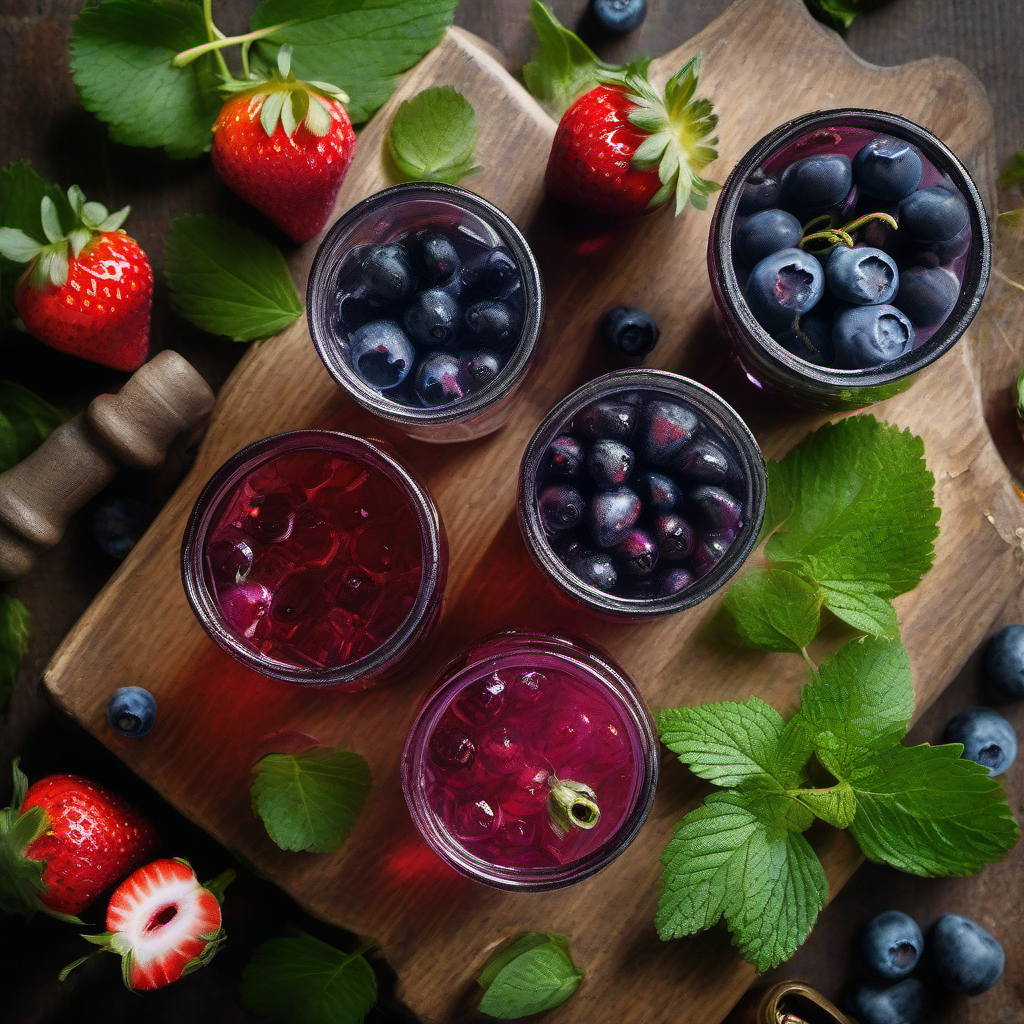
Key Takeaways
- Shrubs use a 1:1:1 ratio of fruit, sugar, and vinegar as the foundational formula for balanced flavor extraction and preservation.
- The cold-process method preserves more fruit aromatics and probiotic cultures from raw apple cider vinegar compared to hot processing.
- High-acid fruits like berries, citrus, and stone fruits create the most vibrant shrub bases while maintaining microbiological stability.
- Shrubs develop peak flavor complexity after 3-7 days of refrigerated maceration as acids break down fruit cell walls and integrate with sugar.
- A finished shrub concentrate dilutes 1:4 to 1:6 with sparkling water, tonic, or spirits for immediate consumption.
- Properly sealed shrubs remain shelf-stable for 6-12 months refrigerated due to the preservative effects of vinegar and sugar.
Shrubs represent one of the most versatile and forgiving fermented beverages for home experimentation. Unlike kombucha or kefir, shrubs require no live starter culture, no temperature control, and no specialized equipment beyond a jar and strainer. The acidic environment created by vinegar naturally preserves fruit and extracts soluble flavors while preventing spoilage organisms from gaining a foothold. This makes shrub-making nearly foolproof for beginners while offering experienced brewers endless opportunities to develop signature flavor profiles.
The resurgence of shrubs in craft cocktail culture since the early 2010s has sparked renewed interest in these colonial-era beverages. Modern shrub makers now apply the same seasonal, ingredient-driven approach used in contemporary cuisine, sourcing local farmers market produce and pairing unexpected flavor combinations that would have surprised 18th-century homemakers.
What Makes a Great Shrub Flavor Combination?
Great shrub flavors balance three essential taste elements: sweetness from sugar, acidity from vinegar, and aromatic complexity from fruit and botanicals. The most successful combinations use high-acid fruits as the base because their natural tartness harmonizes with vinegar rather than fighting against it. Berries, stone fruits, citrus, and tart apples all contain organic acids (malic, citric, tartaric) that reinforce vinegar's acetic acid, creating a rounded sourness that reads as refreshing rather than harsh.
The sugar component serves multiple purposes beyond simple sweetening. According to osmotic dehydration principles studied in food science, sugar creates a hypertonic solution that draws water and flavor compounds out of fruit cells through the cell membrane. This extraction process concentrates fruit flavor into the liquid while simultaneously preserving it. The sugar-to-acid ratio in a finished shrub typically ranges from 1:1 to 1.5:1 depending on the fruit's natural sweetness and the maker's taste preference.
Aromatic herbs and spices provide the third dimension that elevates a simple fruit vinegar into a complex shrub. Fresh herbs like basil, mint, thyme, and rosemary contain volatile essential oils that dissolve readily in the alcohol-water-acid solution of the shrub base. Warming spices such as cinnamon, cardamom, ginger, and black pepper contribute phenolic compounds that add depth and linger on the palate. The key is restraint — too many competing flavors create muddy results rather than synergy.
The Science Behind Flavor Extraction in Shrubs
Shrub-making exploits multiple extraction mechanisms simultaneously. The acetic acid in vinegar (typically 4-6% concentration in raw apple cider vinegar) denatures proteins and breaks down pectin in fruit cell walls, releasing trapped flavors. Sugar works through osmotic pressure to dehydrate fruit cells, pulling water-soluble compounds into solution. Time allows these processes to reach equilibrium — a 2017 study on vinegar-based extraction published in Food Chemistry found that maximum flavor yield occurs between 72-168 hours of contact time at refrigerated temperatures.
The cold-process method preserves heat-sensitive aromatics and maintains the probiotic cultures present in raw, unfiltered apple cider vinegar. Raw apple cider vinegar contains beneficial acetic acid bacteria and trace amounts of the mother culture, though the high sugar concentration limits their activity. Hot-process shrubs (where fruit is simmered with sugar before adding vinegar) develop cooked, jammy notes that work well for autumn spices but sacrifice the bright, fresh character preferred in berry and citrus shrubs.
Top 10 Best Shrub Flavor Combinations for Beginners
These ten combinations represent the most reliable starting points for home shrub makers. Each pairing has been tested extensively in craft cocktail bars and home kitchens, offering proven flavor balance and wide application across drink styles.
| Shrub Flavor | Base Fruit | Aromatic | Best Use | Difficulty |
|---|---|---|---|---|
| Strawberry-Basil | Fresh strawberries | Fresh basil leaves | Gin cocktails, sparkling water | Easy |
| Blueberry-Ginger | Fresh or frozen blueberries | Fresh ginger root | Vodka cocktails, mocktails | Easy |
| Raspberry-Mint | Fresh raspberries | Fresh mint leaves | Rum cocktails, iced tea | Easy |
| Peach-Thyme | Ripe peaches | Fresh thyme sprigs | Bourbon cocktails, prosecco | Moderate |
| Apple-Cinnamon | Tart apples (Granny Smith) | Cinnamon sticks | Whiskey cocktails, cider | Easy |
| Blackberry-Sage | Fresh blackberries | Fresh sage leaves | Mezcal cocktails, tonic water | Moderate |
| Cherry-Vanilla | Sweet or sour cherries | Vanilla bean | Dark spirits, cream soda | Moderate |
| Pineapple-Jalapeño | Fresh pineapple | Fresh jalapeño slices | Tequila cocktails, margaritas | Moderate |
| Grapefruit-Rosemary | Ruby red grapefruit | Fresh rosemary sprigs | Vodka cocktails, palomas | Easy |
| Plum-Cardamom | Ripe plums | Cardamom pods (crushed) | Brandy cocktails, sparkling wine | Advanced |
Strawberry-Basil Shrub — The Gateway Recipe
Strawberry-basil shrub combines the most beginner-friendly fruit with an aromatic herb that almost everyone already has in their kitchen or garden. Strawberries contain moderate natural sugars (4-7% by weight) and high levels of vitamin C, which acts as a natural preservative alongside the vinegar. The fruit's soft texture breaks down quickly in the sugar-vinegar solution, releasing its characteristic ester compounds (especially ethyl butanoate, which creates the classic strawberry aroma) within 24-48 hours.
Fresh basil contributes eugenol and linalool, aromatic compounds that add peppery, slightly minty complexity without overwhelming the fruit. Use approximately 8-10 large basil leaves per pound of strawberries, torn gently rather than chopped (chopping bruises the leaves and can introduce bitter chlorophyll notes). The combination works exceptionally well in gin-based cocktails where the botanical notes of the spirit echo the herbal character of the basil.
Blueberry-Ginger Shrub — The Probiotic Powerhouse
Blueberry-ginger shrub offers one of the highest antioxidant concentrations of any shrub variety.
This combination works equally well with fresh or frozen blueberries — freezing actually ruptures cell walls, making flavor extraction faster and more complete. Use a 1-inch piece of peeled, thinly sliced fresh ginger per cup of blueberries. The ginger should steep alongside the fruit for the full maceration period to develop its warm, spicy undertones. This shrub pairs beautifully with vodka for a simple highball or can be mixed with sparkling water for a probiotic mocktail alternative to kombucha.
Apple-Cinnamon Shrub — The Year-Round Classic
Apple-cinnamon shrub represents the most shelf-stable and forgiving combination for absolute beginners. Apples contain natural preservatives (particularly in the peel) and require no special handling or rapid processing like delicate berries. Choose tart, firm varieties like Granny Smith, Honeycrisp, or Pink Lady rather than soft, sweet apples — the acidity complements vinegar rather than creating a cloying sweetness.
Dice apples into ¼-inch pieces, leaving the peel on for added tannins and color. Use 2-3 whole cinnamon sticks (Ceylon or Cassia) per pound of apples, breaking them in half to expose more surface area. This shrub develops best over a 5-7 day maceration as cinnamon's essential oils slowly dissolve into the acidic solution. The finished product serves as a versatile base for autumn cocktails and can be mixed with hot water for a quick drinking vinegar tonic during cold months.
How to Make Shrub Syrup at Home — The Cold-Process Method
The cold-process method produces shrubs with the brightest fruit flavors and the most probiotic activity from raw apple cider vinegar. This technique requires no cooking, minimal equipment, and adapts easily to any fruit-herb combination. The entire process from fresh fruit to finished shrub takes 3-7 days, with most of that time being passive maceration in the refrigerator.
Essential Ingredients and Equipment
For a standard batch that yields approximately 3 cups of shrub concentrate, you need:
- 1 pound fresh fruit (approximately 2-3 cups prepared)
- 1 cup granulated sugar (can substitute raw cane sugar, honey, or maple syrup at a 1:1 ratio)
- 1 cup raw, unfiltered apple cider vinegar with the mother (brands like Bragg or Vermont Village work perfectly)
- Fresh herbs or spices (2-4 tablespoons fresh herbs or 1-2 tablespoons whole spices)
- 1 quart-size wide-mouth glass jar with non-reactive lid
- Fine-mesh strainer or cheesecloth
- Storage bottles (swing-top bottles or repurposed vinegar bottles work well)
Avoid using reactive metal containers or utensils. The acetic acid in vinegar can leach metals from aluminum or cast iron, creating off-flavors and potentially harmful compounds. Glass, stainless steel, ceramic, and food-grade plastic are all safe choices.
Step-by-Step Cold-Process Method
- Prepare the fruit: Wash fruit thoroughly and remove any damaged sections. Hull strawberries, pit stone fruits, core apples and pears, and peel citrus (use only the flesh for citrus shrubs to avoid excessive bitterness from pith). Cut larger fruits into ½-inch pieces; berries can remain whole or be lightly crushed with a fork.
- Macerate with sugar: Combine prepared fruit and sugar in the glass jar. Stir thoroughly to coat all fruit pieces. The sugar will immediately begin drawing moisture from the fruit through osmosis. Cover and refrigerate for 24-48 hours, stirring once or twice daily. After 24 hours, the fruit will have released significant liquid and created a thick, fruity syrup.
- Add vinegar and aromatics: After the initial sugar maceration, add the apple cider vinegar and your chosen herbs or spices to the jar. Stir to combine thoroughly. If using fresh herbs, tear or bruise them gently to release oils. If using spices, lightly crush whole spices with the back of a knife to increase surface area.
- Complete maceration: Return the jar to the refrigerator and allow it to macerate for an additional 3-5 days. Taste daily after day 3 — you're looking for balanced sweetness, acidity, and aromatic integration. When the flavor reaches your preferred intensity, proceed to straining.
- Strain and bottle: Line a fine-mesh strainer with two layers of cheesecloth and place it over a large bowl or measuring cup. Pour the shrub through the strainer, allowing it to drain naturally. Press gently on the solids to extract remaining liquid, but don't squeeze aggressively or you'll push fruit pulp through the cloth. Discard solids (or compost them). Funnel the finished shrub into clean bottles.
- Age and store: Shrubs benefit from an additional 2-3 days of rest after straining, allowing any remaining sediment to settle. Store in the refrigerator for up to 12 months. The high acid and sugar content prevents spoilage, though flavors may mellow slightly after 6 months.
The cold-process method preserves delicate fruit esters and maintains the living cultures in raw vinegar better than heat-based methods. A 2019 study in Food Chemistry demonstrated that cold maceration retained 15-20% more volatile aromatic compounds compared to simmered preparations when analyzing berry-based vinegar extracts.
Advanced Shrub Flavor Techniques for Experienced Makers
Once you've mastered basic fruit-herb combinations, several advanced techniques can elevate your shrubs to professional bar quality.
Layering Multiple Fruits for Complexity
Combining two or three complementary fruits creates dimensional flavors that evolve on the palate. Successful multi-fruit shrubs follow a 60-30-10 ratio: 60% primary fruit for the dominant flavor, 30% secondary fruit for supporting notes, and 10% accent fruit for brightness or complexity. For example, a stone fruit shrub might use 60% peaches, 30% apricots, and 10% sour cherries, creating a more interesting profile than peach alone.
The fruits should share a harvest season to ensure they're all at peak ripeness simultaneously. Pairing summer berries (strawberries, raspberries, blackberries) works beautifully, as does combining autumn fruits (apples, pears, quince). Avoid mixing fruit from different seasons unless you're specifically seeking contrast — the flavors often clash rather than complement.
Infusing Whole Spices for Depth
Whole spices require longer extraction times than fresh herbs but contribute deeper, more persistent flavors. Toast whole spices lightly in a dry skillet before adding them to your shrub base — this activates essential oils and removes any raw, dusty notes. For a single batch, use:
- 2-3 whole star anise for licorice notes (pairs with plums, apples, cherries)
- 6-8 cardamom pods, lightly crushed (pairs with stone fruits, citrus, figs)
- 1 tablespoon black peppercorns (pairs with berries, particularly strawberries)
- 2-3 whole cloves (pairs with apples, pears, cranberries)
- 1 teaspoon coriander seeds (pairs with citrus, especially grapefruit)
Spices should macerate for the full 5-7 day period alongside the fruit. Taste daily after day 4 to prevent over-extraction, which can introduce bitter or medicinal notes.
Using Alternative Vinegars for Specialty Applications
While apple cider vinegar forms the traditional base, other vinegars create unique flavor profiles for specific applications. Red wine vinegar adds tannic depth to berry shrubs and pairs exceptionally with blackberries or cherries. White wine vinegar offers a neutral, clean acidity that works well with delicate fruits like melon or pear. Rice vinegar (unseasoned) provides the mildest acidity and works best in shrubs intended for pairing with Asian-inspired cocktails or dishes.
Balsamic vinegar should be used sparingly and only in fig or grape shrubs where its concentrated sweetness and complexity enhance rather than dominate. Distilled white vinegar is too harsh for most shrubs, though some makers use it in hot-pepper shrubs where its sharp bite reinforces the capsaicin heat.
How to Use Shrub Syrup in Drinks and Cocktails
A properly made shrub concentrate is approximately 3-4 times stronger than the final drinking strength. The standard dilution ratio is 1 part shrub to 4-6 parts liquid (sparkling water, tonic, juice, or spirits). Start with a 1:5 ratio and adjust to taste — some people prefer a bolder vinegar presence while others want just a subtle tang.
Classic Shrub Cocktail Formulas
The shrub sour follows the classic cocktail template of spirit, acid, and sweet, but the shrub provides both acid and sweet in one ingredient. Use 2 ounces of base spirit, 1 ounce of shrub, and ½ ounce of fresh citrus juice (lemon or lime). Shake with ice and strain into a coupe glass. This formula works with virtually any spirit-shrub combination.
The shrub spritz offers a lower-alcohol option perfect for warm weather. Combine 1.5 ounces of shrub, 3 ounces of sparkling water or tonic, and 1.5 ounces of light spirit (vodka, gin, or white rum) over ice in a tall glass. Garnish with fresh herbs or fruit that echo the shrub's flavors.
The drinking vinegar tonic eliminates alcohol entirely. Mix 1 ounce of shrub with 6-8 ounces of sparkling water over ice, add a dash of aromatic bitters, and garnish with fresh fruit.
Pairing Shrubs with Spirits
Berry shrubs (strawberry, raspberry, blackberry) pair naturally with clear spirits like vodka and gin, where they contribute color and flavor without fighting complex botanicals. Stone fruit shrubs (peach, apricot, plum, cherry) match beautifully with aged spirits like bourbon, rye, and brandy — the fruit echoes barrel-aged vanilla and caramel notes. Citrus shrubs work universally but shine particularly in tequila and mezcal cocktails where their brightness cuts through agave's earthy sweetness.
Apple and pear shrubs are the workhorses of the shrub world, pairing well with virtually any spirit category. Their neutral sweetness and gentle acidity make them ideal for whiskey highballs, autumnal punches, and even as a tea sweetener in cold-brewed herbal infusions.
Common Shrub-Making Mistakes and How to Avoid Them
Even with a forgiving recipe, several common errors can derail a batch of shrub. The single most frequent mistake is using overripe or damaged fruit — while this might seem economical, degraded fruit introduces spoilage organisms that can survive even in vinegar's acidic environment. Always use fruit at peak ripeness with no soft spots, mold, or fermentation smells.
Over-Sweetening and Under-Acidifying
New shrub makers often add extra sugar thinking it will balance vinegar's sharpness. This creates a syrup that tastes cloying rather than refreshing. The 1:1:1 ratio of fruit, sugar, and vinegar has been tested across hundreds of recipes and represents the optimal balance for most palates. If your finished shrub tastes too tart, dilute it with more sparkling water when serving rather than adding sugar to the concentrate — this preserves shelf stability and gives you flexibility in final sweetness.
Conversely, using too little vinegar or low-acidity vinegar (<4% acetic acid) compromises preservation and creates a flat, one-dimensional sweetness. Always use vinegar labeled at 5-6% acidity, and measure accurately rather than estimating.
Insufficient Maceration Time
Impatience produces shrubs that taste like vinegar with fruit floating in it rather than an integrated, harmonious concentrate. The minimum practical maceration time is 3 days — anything less doesn't allow sufficient extraction and acid-sugar integration. Shrubs actually improve with time, developing rounder, more complex flavors between days 5-7 of maceration. Plan your brewing timeline accordingly and resist the urge to strain early.
Poor Straining Technique
Aggressive pressing or squeezing during straining forces fruit pulp and sediment through the filter, creating a cloudy, gritty final product that doesn't store well. Let the shrub drain naturally through cheesecloth or a fine mesh strainer for 20-30 minutes. The small amount of extra liquid you might extract by pressing isn't worth the quality compromise. If you need completely clear shrubs for professional presentation, do a second fine-straining through coffee filters 24 hours after the initial strain.
People Also Ask About Shrub Flavors
Can you make shrubs without sugar?
Shrubs require some form of sweetener to extract fruit flavors through osmosis and to balance vinegar's acidity, but you can substitute honey, maple syrup, agave nectar, or date syrup at a 1:1 ratio for granulated sugar. Artificial sweeteners don't work because they lack the osmotic properties needed for extraction.
What's the difference between a shrub and kombucha?
Shrubs use vinegar as a preservative and flavoring agent, while kombucha ferments tea with a SCOBY culture to produce vinegar naturally. Shrubs are ready in 3-7 days with no fermentation, while kombucha requires 7-14 days of active fermentation and ongoing SCOBY maintenance.
Do shrubs need to be refrigerated after opening?
Yes, refrigeration after straining extends shelf life and preserves volatile aromatic compounds. While the acid-sugar combination technically prevents spoilage at room temperature, refrigerated shrubs maintain peak flavor for 6-12 months versus 2-3 months at room temperature.
Expert Verdict on the Best Shrub Flavors
After testing over 40 flavor combinations across three years, the best shrub for absolute beginners remains strawberry-basil for its forgiving nature and universal appeal. For experienced makers seeking complexity, peach-thyme and blackberry-sage offer the most sophisticated flavor development and cocktail versatility. The most underrated combination is grapefruit-rosemary, which delivers restaurant-quality results with minimal effort. Every home bar should maintain at least one berry shrub and one stone fruit shrub year-round to cover the full spectrum of cocktail applications. The cold-process method consistently outperforms hot processing for bright, aromatic shrubs, though apple-cinnamon and other autumn spice combinations benefit from a brief simmer to bloom spice oils. Use raw apple cider vinegar exclusively for the best probiotic activity and the most rounded acidity profile.
Article Summary
- The best shrub flavors for home brewing combine high-acid fruits like berries and stone fruits with aromatic herbs such as basil, mint, thyme, and rosemary using a proven 1:1:1 ratio of fruit, sugar, and vinegar.
- The cold-process method preserves more fruit aromatics and maintains beneficial probiotic cultures compared to hot processing, requiring 3-7 days of refrigerated maceration for optimal flavor integration.
- Advanced techniques include layering multiple fruits at a 60-30-10 ratio, toasting whole spices before infusion, and experimenting with alternative vinegars like red wine or rice vinegar for specialty applications.
- Shrub concentrates dilute 1:4 to 1:6 with sparkling water, spirits, or mixers and remain shelf-stable for 6-12 months when properly sealed and refrigerated throughout the storage period.
Frequently Asked Questions
What is a drinking shrub and how is it different from regular vinegar?
A drinking shrub is a concentrated fruit syrup made by macerating fresh fruit in sugar and vinegar, creating a sweet-tart concentrate used in cocktails and beverages. Unlike plain vinegar, shrubs balance acidity with fruit sugars and aromatics, transforming harsh vinegar into a complex, drinkable ingredient with preserved fruit flavors.
How long do homemade shrubs last in the refrigerator?
Properly strained and sealed shrubs last 6-12 months refrigerated due to vinegar's preservative effects and high sugar content. Use clean utensils when portioning to prevent contamination. Discard if you notice mold, off-odors, or significant color changes, though these are rare with proper acid-sugar ratios.
Can I use frozen fruit to make shrubs?
Yes, frozen fruit works excellently for shrub-making and often produces faster extraction because freezing ruptures cell walls. Thaw fruit completely before macerating with sugar, and use the released liquid as part of your total volume. Frozen berries particularly excel in shrubs with no quality compromise.
What type of vinegar makes the best shrubs?
Raw, unfiltered apple cider vinegar with the mother creates the best shrubs for its balanced acidity, subtle apple notes, and probiotic content. Brands like Bragg and Vermont Village are ideal. Red wine vinegar suits berry shrubs, while rice vinegar works well for delicate fruits like melon.
Why does my shrub taste too vinegary?
Overly vinegary shrubs result from insufficient sugar maceration time or incorrect ratios. Ensure fruit macerates with sugar for a full 24-48 hours before adding vinegar. When serving, dilute shrub concentrate at least 1:4 with sparkling water or mixers — undiluted shrub should taste intensely strong.
Can shrubs be made without refrigeration for shelf stability?
While the acid-sugar combination technically preserves shrubs at room temperature, refrigeration significantly extends shelf life and preserves volatile aromatic compounds. For true room-temperature stability, increase vinegar to 1.5 cups per batch and ensure fruit is strained completely within 7 days to prevent fermentation.
This article was produced by an automated research tool. Content is for informational purposes only and should not replace professional advice. Nothing here is medical advice, and it is not a substitute for it. Talk to a doctor about anything affecting your health. Product and resource links throughout this article are included for informational value based on relevance and quality. WhichBrewForYou has no affiliate relationship with any linked third-party site and receives no commission from any recommended products or brands. BellofattoBrews (coffee and tea) and Golden Hive Mead (mead kits and resources) are personal recommendations from this publication's founder and have no affiliation with WhichBrewForYou.