Key Takeaways
- The fermentation process reduces lactose content by 20-30%, making kefir more digestible than regular milk for many lactose-sensitive individuals.
- Kefir grains are reusable indefinitely—they grow during fermentation and can be shared, stored, or used to make fresh batches daily.
- Room temperature fermentation takes 12-48 hours depending on grain-to-milk ratio, ambient temperature, and desired tartness level.
Milk kefir stands apart from other cultured dairy products due to its unique fermentation method and microbial complexity. While yogurt relies on a handful of specific bacterial strains introduced at precise temperatures, kefir ferments through the action of living kefir grains—self-perpetuating microbial communities that have been passed down through generations. These grains transform ordinary milk into a probiotic powerhouse through a symbiotic fermentation process that occurs naturally at room temperature, making home production remarkably accessible.
What Are Milk Kefir Grains and How Do They Work?
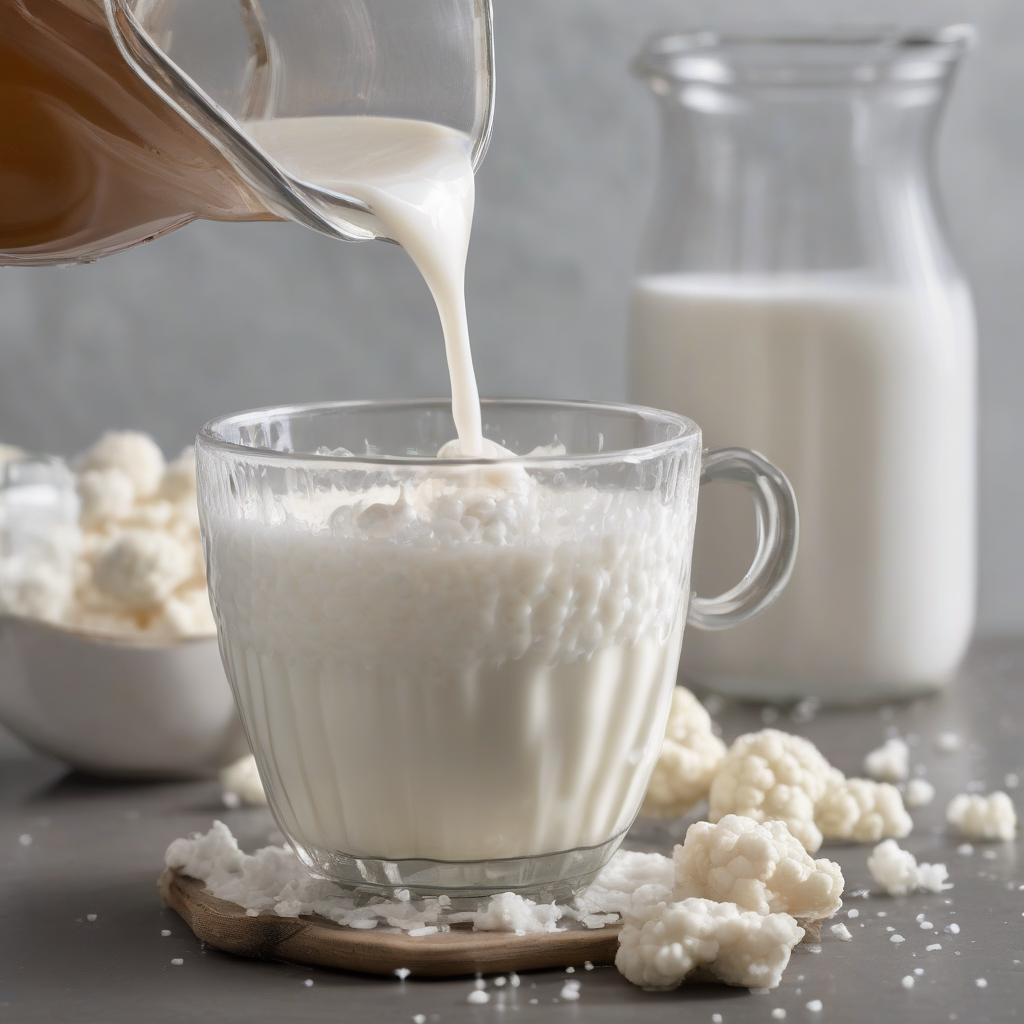
Kefir grains are cauliflower-shaped clusters composed of a polysaccharide matrix called kefiran that houses dozens of bacterial and yeast species in a symbiotic relationship. According to Cultures for Health, authentic kefir grains contain Lactobacillus, Lactococcus, Streptococcus, and Leuconostoc bacteria alongside Saccharomyces, Kluyveromyces, and Candida yeasts. This diverse community works together to metabolize lactose, produce lactic acid, generate carbon dioxide for natural effervescence, and create trace amounts of ethanol (typically 0.5-2% alcohol by volume).
The grains themselves are not consumed—they're strained out after fermentation and reused indefinitely. During each fermentation cycle, the grains consume lactose and other milk components, converting them into beneficial metabolites while simultaneously growing in size. A single tablespoon of grains can culture one cup of milk in 24 hours, and as grains multiply, they can be divided to increase production capacity or shared with others. This self-replicating nature made kefir grains valuable cultural artifacts in traditional societies, often passed down as family heirlooms.
What Does Milk Kefir Taste Like?
Milk kefir has a distinctly tangy, tart flavor reminiscent of unsweetened yogurt but with a more pronounced acidity and subtle yeasty notes. The taste profile varies significantly based on fermentation time—shorter ferments (12-18 hours) produce a milder, slightly sweet beverage, while longer ferments (36-48 hours) create an intensely sour, pungent drink that can approach the tartness of buttermilk or sour cream. The texture is smooth and pourable, thicker than milk but thinner than yogurt, with a subtle effervescence that creates a light tingle on the tongue.
Many first-time tasters describe the flavor as an acquired taste, particularly when accustomed to sweetened commercial yogurts. However, milk kefir's tartness can be modulated through fermentation timing, and the finished product blends well with fruits, honey, vanilla, or other natural flavorings. Some people drink it plain as a probiotic tonic, while others incorporate it into smoothies, use it as a buttermilk substitute in baking, or blend it with berries for a naturally tangy breakfast drink.
How Do You Make Milk Kefir at Home? Step-by-Step Instructions
Making milk kefir at home requires minimal equipment and only two essential ingredients: active kefir grains and milk. The process is remarkably forgiving and far simpler than yogurt-making, which demands precise temperature control. The basic ratio is one tablespoon of kefir grains to one cup of milk, fermented at room temperature (68-78°F) for 12-48 hours. According to the Kefir Lady, this ratio and timeframe accommodate personal preference for thickness, tartness, and probiotic potency.
Detailed Milk Kefir Making Process
- Obtain active kefir grains: Purchase dehydrated grains from suppliers like Cultures for Health or receive fresh grains from someone already making kefir. Dehydrated grains require 3-7 days of activation through daily milk changes before producing optimal kefir.
- Select your milk: Whole milk produces the creamiest kefir with the best grain health, but 2%, skim, goat, sheep, and even coconut milk (with periodic whole milk feedings) work. Avoid ultra-pasteurized milk, which lacks the nutrients grains need to thrive.
- Combine grains and milk: Place 1 tablespoon of grains in a clean glass jar and add 1 cup of milk. Cover loosely with a breathable cloth, coffee filter, or loose-fitting lid—fermentation produces carbon dioxide that needs to escape.
- Ferment at room temperature: Leave the jar on your counter away from direct sunlight for 12-48 hours. Check after 12 hours—when the milk thickens and separates slightly from the whey, it's ready. Warmer temperatures accelerate fermentation; cooler temperatures slow it.
- Strain the grains: Pour the fermented kefir through a plastic or stainless steel fine-mesh strainer into a clean container. Gently stir with a wooden or plastic spoon to help liquid pass through—avoid metal utensils, which some believe may damage grains over time.
- Reuse the grains immediately: Place the strained grains back into the original jar with fresh milk to begin the next batch. Grains must be fed regularly—if taking a break, store them in milk in the refrigerator for up to 3 weeks, though they'll need reactivation afterward.
- Store and consume the finished kefir: Refrigerate strained kefir in a sealed container for up to 2 weeks. The cold temperature slows fermentation but doesn't stop it entirely, so flavor will continue to develop and tartness will increase over time.
What Equipment Do You Need to Make Kefir?
- Glass jar (quart or pint size—avoid metal containers)
- Plastic or stainless steel fine-mesh strainer
- Wooden or plastic stirring spoon
- Breathable cover (cheesecloth, coffee filter, paper towel) and rubber band
- Storage container with lid for finished kefir
The entire setup costs less than $15 if you already have basic kitchen supplies. Glass is preferred because it doesn't absorb odors or harbor bacteria, and it allows you to visually monitor fermentation progress. Avoid reactive metals like aluminum during fermentation, though brief contact with stainless steel strainers is generally considered safe.
What Makes Milk Kefir Different from Yogurt?
| Characteristic | Milk Kefir | Yogurt |
|---|---|---|
| Probiotic strains | 30-50 bacterial and yeast species | 5-10 bacterial species |
| Fermentation temperature | Room temperature (68-78°F) | 110-115°F (requires heating) |
| Fermentation time | 12-48 hours | 6-12 hours |
| Starter culture | Reusable living grains | Previous batch or powder (degrades over time) |
| Texture | Thin, pourable, effervescent | Thick, spoonable, creamy |
| Lactose content | 20-30% lower than milk | 10-15% lower than milk |
| Alcohol content | 0.5-2% (from yeast fermentation) | Trace to none |
The fundamental difference lies in the microbial communities involved. Yogurt fermentation is purely bacterial, while kefir fermentation is both bacterial and fungal (yeast), creating a more complex metabolic process. Research published in the Journal of Food Science and Technology found that kefir's diverse microbial population produces a wider array of bioactive compounds, including bacteriocins (natural antimicrobials), exopolysaccharides, and organic acids beyond simple lactic acid.
Additionally, kefir grains are transient colonizers—the bacteria and yeasts in kefir can survive passage through the digestive system and temporarily populate the gut, whereas most yogurt bacteria are killed by stomach acid.
Milk kefir's reputation as a functional food stems from its high concentration of beneficial microorganisms and bioactive compounds. A single serving (1 cup) of milk kefir provides approximately 300mg of calcium, 8-11g of protein, and billions of colony-forming units (CFUs) of probiotics across dozens of species.
The fermentation process significantly reduces lactose content in kefir—typically by 20-30% compared to the starting milk, with longer fermentation times achieving greater reduction. A study published in the Journal of the American Dietetic Association found that individuals with lactose intolerance tolerated kefir significantly better than milk, experiencing fewer digestive symptoms. The living bacteria in kefir also produce lactase enzyme during fermentation, which continues to break down residual lactose in the digestive tract.
Multiple studies have examined kefir's immunomodulatory effects. The British Journal of Nutrition published research showing that kefir consumption increased production of IgA antibodies and enhanced natural killer cell activity in animal models.
Milk kefir provides highly bioavailable calcium, magnesium, and vitamin K2 (menaquinone), nutrients critical for bone mineralization. The fermentation process increases mineral solubility and produces vitamin K2 through bacterial synthesis—a nutrient largely absent from unfermented dairy.
Can You Make Kefir with Non-Dairy Milk?
While kefir grains evolved to ferment animal milk and thrive best in dairy environments, they can adapt to non-dairy milks with some caveats. Coconut milk, almond milk, soy milk, and oat milk can all be fermented with kefir grains, but grains require periodic "feeding" with regular dairy milk to maintain health and viability. According to Cultures for Health, the recommended ratio is one dairy milk fermentation for every 2-3 non-dairy fermentations.
Non-dairy milks lack the lactose, casein, and specific nutrients that kefir grains metabolize for growth. Over time, grains fermented exclusively in non-dairy milk will cease growing, lose microbial diversity, and eventually die. For long-term non-dairy kefir production, many makers maintain two sets of grains—one exclusively for dairy, and a separate "sacrificial" batch for non-dairy experimentation. Alternatively, commercially available water kefir grains or powdered kefir starter cultures formulated for non-dairy milks provide more sustainable options for plant-based kefir making.
How Do You Know When Milk Kefir Has Gone Bad?
Properly fermented milk kefir has a clean, tangy smell and appearance—it should smell sour and yogurt-like, with a thick, sometimes slightly separated consistency. Signs of contamination or spoilage include pink, orange, or fuzzy mold growth on grains or kefir surface, putrid or rotten smell, and slimy or excessively viscous texture. Normal kefir separation (clear whey separating from white curds) is not spoilage—it simply indicates full fermentation and can be stirred back together.
Kefir grains themselves should be white to cream-colored, with a cauliflower-like texture. Healthy grains have a slightly yeasty, cheese-like smell. Discard grains that develop surface mold, turn pink or orange, or begin to dissolve. The FDA recommends trusting your senses—if fermented food smells, looks, or tastes off, discard it. However, the extreme acidity of properly fermented kefir (pH 3.5-4.5) creates an inhospitable environment for most pathogenic organisms, making contamination relatively rare when basic sanitation practices are followed.
How Should You Store Kefir Grains When Not in Use?
Kefir grains are living organisms that require regular feeding. For short-term storage (up to 3 weeks), place grains in fresh milk and refrigerate—the cold temperature slows metabolism dramatically, allowing grains to rest without daily maintenance. Change the milk once per week if storing longer than 7 days. When ready to resume production, bring grains to room temperature and refresh through 2-3 fermentation cycles with daily milk changes. The first few batches may be less consistent as grains reactivate.
For long-term storage (months to years), grains can be dehydrated or frozen. To dehydrate, rinse grains briefly in filtered water, spread on parchment paper, and air-dry at room temperature for 3-5 days until completely moisture-free. Store dried grains in an airtight container in the refrigerator or freezer. Reactivation requires 5-10 days of daily milk changes, with gradual improvement in fermentation performance. Alternatively, freeze fresh grains in milk in an airtight container—this method preserves more microbial diversity but requires similar reactivation time when thawed.
People Also Ask About Milk Kefir
Is it safe to drink milk kefir every day?
Yes, most people safely consume 1-2 cups of milk kefir daily. Start with smaller amounts (¼ cup) if new to fermented foods to allow your digestive system to adapt to the probiotic influx.
Does kefir have more probiotics than kombucha?
Milk kefir typically contains higher concentrations of probiotic bacteria than kombucha, though kombucha provides different beneficial organisms including acetic acid bacteria and specific yeast strains. Both offer distinct probiotic profiles rather than one being universally "better."
Can you use kefir grains that have been refrigerated for months?
Yes, but grains require reactivation through multiple fermentation cycles. Grains stored in milk in the refrigerator for 2-6 months typically need 5-10 days of daily milk changes before producing high-quality kefir again as dormant microbes gradually restore metabolic activity.
Expert Verdict: Is Making Milk Kefir Worth It?
Milk kefir stands out as one of the most accessible probiotic-rich foods you can make at home. Unlike yogurt, which requires temperature monitoring, or kombucha, which demands week-long fermentation and specialized equipment, kefir simply needs grains, milk, and a counter. The initial investment in kefir grains (typically $10-20) provides a lifetime supply since grains multiply and can be divided indefinitely. For anyone seeking to increase beneficial bacteria intake, improve lactose digestibility, or explore traditional fermentation, milk kefir offers exceptional value. The distinctive sour taste may require adjustment for some palates, but the drink's versatility in smoothies, baking, and flavored preparations makes it highly adaptable.
Summary: What You Need to Know About Milk Kefir
- Milk kefir is a fermented dairy drink made by culturing milk with kefir grains—symbiotic bacterial and yeast colonies that produce a tangy, effervescent probiotic beverage in 12-48 hours at room temperature.
- The basic process requires one tablespoon of grains per cup of milk, fermented on the counter in a glass jar covered with breathable cloth, then strained and repeated daily with fresh milk.
- The fermentation reduces lactose by 20-30%, making kefir more tolerable than milk for many lactose-sensitive individuals, while also increasing bioavailability of calcium, magnesium, and vitamin K2.
- Kefir grains are reusable indefinitely, grow during fermentation, and can be stored in the refrigerator for short breaks or dehydrated for long-term preservation—making home production sustainable and cost-effective.
Frequently Asked Questions
How long does homemade milk kefir last in the refrigerator?
Properly stored milk kefir lasts 2-3 weeks refrigerated in an airtight container. Flavor becomes increasingly sour over time as fermentation continues slowly even in cold temperatures. Consume within one week for optimal taste and probiotic potency.
Why did my kefir separate into curds and whey?
Separation indicates complete fermentation—the grains consumed available lactose and proteins coagulated into curds while liquid whey separated. This is normal and safe. Simply stir to recombine or strain for a thicker consistency. Shorter fermentation times prevent separation.
Can I make kefir with raw milk instead of pasteurized milk?
Yes, kefir grains thrive in raw milk and many traditional makers prefer it. Raw milk contains natural enzymes and beneficial bacteria that complement kefir fermentation. However, source raw milk only from certified dairies following strict safety protocols to minimize pathogen risk.
Do I need to rinse kefir grains between batches?
No, rinsing is unnecessary and potentially harmful. The biofilm coating grains contains beneficial bacteria essential for healthy fermentation. Simply strain grains and immediately place in fresh milk. Rinse only if grains develop off odors or visible contamination.
Why are my kefir grains not growing or multiplying?
Grain growth requires adequate lactose, healthy milk, and proper temperature. Ultra-pasteurized milk, low-fat milk, overly cold environments, and infrequent feeding all inhibit growth. Switch to whole pasteurized milk, maintain room temperature fermentation, and ensure grains have fresh milk daily.
Is the small amount of alcohol in kefir safe for children?
Milk kefir typically contains 0.5-2% alcohol by volume from yeast fermentation—comparable to some fruit juices and significantly less than kombucha. Most pediatricians consider this trace amount safe for children, but consult your healthcare provider for children under two or with specific health conditions.
This article was produced by an automated research tool. Content is for informational purposes only and should not replace professional advice. Nothing here is medical advice, and it is not a substitute for it. Talk to a doctor about anything affecting your health. Product and resource links throughout this article are included for informational value based on relevance and quality. WhichBrewForYou has no affiliate relationship with any linked third-party site and receives no commission from any recommended products or brands. BellofattoBrews (coffee and tea) and Golden Hive Mead (mead kits and resources) are personal recommendations from this publication's founder and have no affiliation with WhichBrewForYou.