Key Takeaways
- Blonde ales and cream ales provide the smoothest transition from macro lagers with balanced sweetness and minimal bitterness.
- American wheat beers offer citrusy, slightly fruity flavors with a soft, pillowy mouthfeel that appeals to new craft drinkers.
- Session IPAs deliver hop character at lower ABV and reduced bitterness compared to traditional IPAs, making them beginner-friendly.
- Fruit-infused sours and radlers bridge the gap between beer and other beverages, offering familiar fruity sweetness.
- Starting with lower IBU ratings (under 35) and moderate ABV (4-6%) prevents palate fatigue and allows gradual flavor exploration.
Craft beer's explosive growth has created a bewildering landscape for newcomers. With over 9,700 craft breweries operating in the United States as of 2026, the sheer variety of styles, flavor profiles, and brewing techniques can overwhelm anyone taking their first steps beyond mass-market lagers. The key to a successful craft beer introduction lies in selecting styles that balance familiarity with just enough complexity to spark curiosity—beers that reveal what's possible without demanding an advanced palate from the first sip.
Why Starting With Beginner-Friendly Craft Beers Matters
Jumping directly into intensely hoppy double IPAs or barrel-aged stouts can backfire spectacularly. The human palate requires gradual acclimatization to bitterness, roasted malts, and high alcohol content—sensory elements that define many celebrated craft styles. Research published in the Journal of Sensory Studies demonstrates that bitter taste receptors require repeated exposure to develop tolerance, which explains why experienced beer enthusiasts genuinely enjoy flavors that newcomers find harsh or unpleasant.
The Brewers Association recommends a progressive approach to craft beer education. Beginning with approachable styles builds positive associations and prevents the "one-and-done" experience where a poorly chosen first craft beer turns someone away from the category permanently. Blonde ales, wheat beers, and cream ales serve as foundational styles because they share certain characteristics with mainstream lagers—crisp carbonation, light body, and subtle flavors—while introducing complexity through quality ingredients and traditional brewing methods.
What Makes a Craft Beer Beginner-Friendly?
Several measurable qualities define whether a craft beer works well for newcomers. The International Bitterness Units (IBU) scale measures hop bitterness, with beginner-friendly beers typically ranging from 10-35 IBU. For context, Budweiser registers around 12 IBU, while a West Coast IPA often exceeds 70 IBU. The Beer Judge Certification Program emphasizes that balanced bitterness—where hops complement rather than dominate—creates the most accessible drinking experience.
Alcohol by volume (ABV) also plays a crucial role. Session-strength beers between 4-5.5% ABV allow new drinkers to sample multiple styles without overwhelming effects. Higher ABV beers introduce warmth, sweetness from residual sugars, and mouthfeel changes that can confuse inexperienced palates trying to identify individual flavor components.
Malt character provides another accessibility indicator. Lightly kilned malts produce bread-like, slightly sweet flavors that most people find immediately pleasant. Heavily roasted malts create coffee, chocolate, and burnt toast notes that require acquired taste. Beginner-friendly craft beers lean heavily on pale, Pilsner, and wheat malts that deliver subtle sweetness without challenging flavors.
Best Craft Beer Styles for Beginners
Blonde Ales and Golden Ales
Blonde ales represent the gentlest introduction to craft beer. These pale, malt-forward brews typically register 18-28 IBU and 4-5.5% ABV, delivering clean, slightly sweet flavors with minimal hop presence. The style originated as a deliberate gateway beer, designed by craft brewers to convert macro lager drinkers. Golden Road Brewing's Mango Cart and Bell's Oberon exemplify how breweries use this approachable base to introduce subtle fruit or spice notes that add interest without intimidation.
The malt bill for blonde ales centers on North American two-row or Pilsner malt, creating a bread-like backbone with hints of honey and cracker. Noble hop varieties contribute light floral aromatics without aggressive bitterness. This combination produces what the American Homebrewers Association describes as "lawn mower beers"—supremely drinkable, refreshing brews perfect for extended summer sessions.
American Wheat Beers
American wheat beers differ significantly from their German Hefeweizen cousins by minimizing the banana and clove esters that German yeast strains produce. Instead, American versions ferment with clean ale yeasts and often include citrus additions—orange peel, lemon zest, coriander—that create familiar, fruit-forward flavors. The wheat protein content creates a soft, creamy mouthfeel that many newcomers find more approachable than the crisp bite of all-barley beers.
Three Floyd's Gumballhead and Boulevard Brewing's Unfiltered Wheat demonstrate this style's versatility. The wheat component typically comprises 30-50% of the grain bill, contributing hazy appearance, fuller body, and natural sweetness that balances moderate hopping. According to CraftBeer.com, wheat beers consistently rank among the top three styles recommended by bartenders and beer retailers for customers new to craft beer.
Cream Ales
Cream ales occupy a unique middle ground between lagers and ales, often fermenting with ale yeast at cooler temperatures or blending ale and lager fermentation. This hybrid approach produces exceptionally smooth, clean-finishing beers with subtle corn or honey sweetness. The style traces its roots to pre-Prohibition American brewing, when regional breweries competed with German lager imports by creating an ale that drank like a lager.
Genesee Cream Ale and New Glarus Spotted Cow showcase the style's approachable character. IBU levels rarely exceed 20, while ABV hovers around 4.5-5.2%. The adjunct grains—typically corn or rice—lighten the body and add delicate sweetness without cloying. The Beer Judge Certification Program notes that well-made cream ales offer "no harsh flavors, very subtle complexity, and high drinkability."
Session IPAs
For beginners curious about hop character but wary of aggressive bitterness, session IPAs provide an ideal entry point. These stripped-down versions of India Pale Ales clock in at 3.5-5% ABV and 30-45 IBU, delivering pine, citrus, and tropical fruit aromatics without the palate-coating bitterness of their full-strength siblings. Founders All Day IPA pioneered this category, proving that hop-forward character doesn't require punishing IBU counts or high alcohol.
The style gained mainstream traction as craft breweries recognized that many beer drinkers wanted IPA flavor profiles in more sessionable formats. Modern session IPAs emphasize late hop additions and dry hopping—techniques that maximize aroma and flavor while minimizing extracted bitterness. Stone Go To IPA and Firestone Walker Easy Jack demonstrate how contemporary hop varieties like Mosaic, Citra, and Galaxy contribute juice-like fruit character that appeals to newcomers.
Fruit Beers and Radlers
Fruit-infused beers bridge the psychological gap between beer and other beverages, offering familiar fruit flavors in a beer format. Raspberry wheat ales, cherry-infused sours, and citrus radlers provide sweetness and acidity that many newcomers find immediately accessible. The Brewers Association reports that fruit beers serve as gateway styles for demographics historically underrepresented in craft beer, particularly women and younger drinkers.
Leinenkugel's Summer Shandy popularized the radler format in American craft brewing—a German-style blend of wheat beer and lemonade or grapefruit soda. These low-ABV, fruit-forward offerings work exceptionally well for beer skeptics or those transitioning from wine, cider, or cocktails. Samuel Adams' Porch Rocker and Shiner's Ruby Redbird demonstrate how established breweries use fruit additions to create approachable warm-weather offerings.
| Beer Style | ABV Range | IBU Range | Primary Flavors | Best For |
|---|---|---|---|---|
| Blonde Ale | 4.0-5.5% | 18-28 | Bread, honey, light fruit | Smoothest transition from macro lagers |
| American Wheat | 4.0-5.5% | 10-30 | Citrus, bread, subtle spice | Those who enjoy lighter, fruity flavors |
| Cream Ale | 4.5-5.2% | 10-22 | Corn, honey, clean malt | Fans of crisp, refreshing beers |
| Session IPA | 3.5-5.0% | 30-45 | Citrus, pine, tropical fruit | Hop-curious without overwhelming bitterness |
| Fruit Beer/Radler | 3.5-5.5% | 8-20 | Fruit-forward, sweet, tart | Beer skeptics, cider/wine drinkers |
| Kölsch | 4.5-5.2% | 18-28 | Delicate fruit, soft malt, crisp finish | Lager lovers seeking complexity |
How to Taste Craft Beer as a Beginner
Proper tasting technique enhances flavor perception and accelerates palate development. The Cicerone Certification Program recommends a structured approach: begin by observing appearance, noting color, clarity, and foam retention. Swirl gently to release aromatics, then take a small sip, letting the beer coat your entire palate before swallowing. This method engages all taste receptors and allows identification of sweetness, bitterness, acidity, and body.
Temperature significantly affects flavor perception. Most craft beers reveal optimal character between 45-55°F, considerably warmer than the near-freezing temperatures at which macro lagers are served. Serving blonde ales and wheat beers too cold suppresses their subtle malt sweetness and hop aromatics. Allowing beer to warm slightly in the glass—particularly when sampling multiple styles—helps distinguish flavor differences that cold-numbed palates miss.
Taking notes, even simple ones, accelerates learning. Recording which beers you enjoyed and why creates a reference framework for future selections. Note the brewery, style, specific flavors detected, and whether the beer was too bitter, too sweet, or balanced. Over time, these notes reveal personal preferences and guide progression toward more complex styles.
Common Beginner Mistakes to Avoid
New craft beer drinkers often rush progression, jumping to imperial stouts or double IPAs before their palates develop necessary tolerance. The most successful craft beer education follows a gradual path from balanced, low-IBU styles toward progressively more intense flavor profiles. Starting with a 90 IBU West Coast IPA typically creates negative associations that discourage further exploration.
Another common error involves improper glassware. While red Solo cups work for lawn parties, they hide aromatics and prevent full flavor appreciation. The American Homebrewers Association emphasizes that proper glassware—even a simple tulip or shaker pint—concentrates aromatics and allows visual assessment of clarity, color, and carbonation. These sensory elements contribute significantly to overall beer perception.
Drinking craft beer too cold represents perhaps the most widespread mistake. The "ice cold beer" marketing from macro breweries trained consumers to seek near-freezing temperatures that mask off-flavors in lower-quality beers. Craft beers, made with premium ingredients and careful brewing, benefit from warmer serving temperatures that allow complex flavors to emerge. Wheat beers, blonde ales, and pale ales show best around 45-50°F, while stronger styles like barleywines and imperial stouts open up at 50-55°F.
Building Your Craft Beer Palate Progressively
Palate development follows predictable patterns. Most beer educators recommend spending several weeks exploring approachable styles—blonde ales, wheat beers, cream ales—before advancing to pale ales with moderate hop presence. Once comfortable with 30-40 IBU pale ales, session IPAs introduce concentrated hop aromatics without overwhelming bitterness. This gradual progression allows taste receptors to adapt while building flavor vocabulary.
The next tier typically includes amber ales, brown ales, and English-style bitters—styles that introduce deeper malt character, caramel sweetness, and earthy hop profiles. These medium-bodied beers bridge the gap between light, crisp styles and the robust flavors of porters, stouts, and full-strength IPAs. According to CraftBeer.com, beer drinkers who follow this progression show significantly higher long-term engagement with craft beer compared to those who skip foundational styles.
Experimentation within style categories accelerates learning. Rather than trying one blonde ale and moving on, sample blonde ales from multiple breweries to understand style boundaries and individual brewery interpretations. This horizontal exploration—tasting variations on the same style—builds deeper understanding than vertical progression through unrelated styles.
Where to Find Beginner-Friendly Craft Beers
Local bottle shops with knowledgeable staff provide the best resource for personalized recommendations. Unlike big-box retailers, specialty beer stores employ enthusiasts who can assess your flavor preferences and suggest specific beers matched to your palate. Many shops offer build-your-own six-pack options, allowing experimentation without committing to full cases of unfamiliar beers.
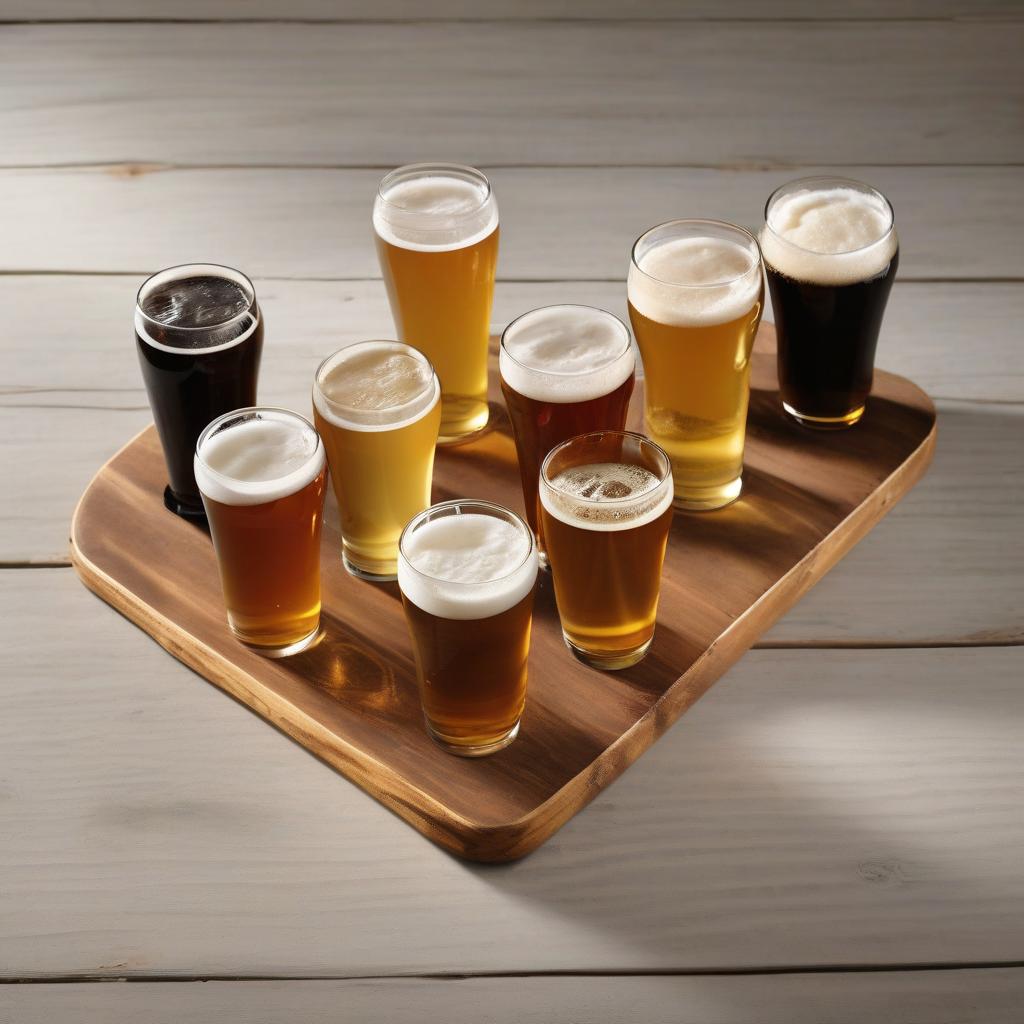
Brewery taprooms create ideal environments for exploration. Most craft breweries offer taster flights—four to six small pours of different beers—that allow side-by-side comparison. Taproom staff can explain brewing processes, ingredient choices, and style characteristics that help newcomers understand what they're tasting. The direct brewery experience also ensures freshness, particularly important for hop-forward styles that deteriorate with age.
Beer festivals present opportunities to sample dozens of breweries and styles in a single session, though the crowded, noisy environment isn't ideal for careful tasting. Newcomers attending festivals should arrive early when crowds are smaller, bring water for palate cleansing, and focus on lighter styles before progressing to heavier beers. The Brewers Association recommends limiting festival sampling to 8-10 beers maximum to avoid palate fatigue.
People Also Ask
What craft beer tastes most like regular beer?
Cream ales and blonde ales taste most similar to mainstream lagers, offering clean, crisp profiles with subtle malt sweetness and minimal hop bitterness. These styles use similar ingredient ratios and fermentation techniques while maintaining craft brewing quality standards.
Should beginners drink IPAs?
Beginners should start with session IPAs or pale ales rather than full-strength IPAs. Session versions deliver hop character at lower bitterness levels (30-45 IBU) and reduced alcohol content (under 5% ABV), preventing the overwhelming experience that discourages many newcomers from exploring craft beer.
What's the easiest craft beer to drink?
American wheat beers and cream ales rank as the easiest craft beers to drink, combining approachable flavors, smooth mouthfeel, and sessionable alcohol content. Their balanced profiles appeal to the widest audience without challenging inexperienced palates with intense bitterness or roasted malt character.
Expert Verdict
The best craft beers for beginners are blonde ales, American wheat beers, and cream ales because they deliver quality craftsmanship in familiar flavor territory. These styles bridge the gap between mass-market lagers and craft beer's broader possibilities without shocking palates unprepared for intense hop bitterness or heavy roasted malt. New craft drinkers should sample multiple examples within these foundational styles before progressing to pale ales, then session IPAs, then finally the full spectrum of craft brewing. This gradual approach builds positive associations, develops palate sophistication, and creates lifelong craft beer enthusiasm rather than one-time curiosity.
- The best craft beers for beginners—blonde ales, wheat beers, cream ales, and session IPAs—prioritize balanced flavors and approachable bitterness levels under 35 IBU.
- Gradual palate development through progressive style exploration creates better long-term craft beer appreciation than jumping directly to intense imperial stouts or double IPAs.
- Proper serving temperature (45-55°F), appropriate glassware, and structured tasting technique significantly enhance flavor perception for new craft drinkers.
- Local bottle shops and brewery taprooms provide superior guidance and freshness compared to big-box retailers when sourcing beginner-friendly craft beers.
- Horizontal exploration—sampling multiple examples of the same style—builds deeper understanding than rapidly cycling through unrelated beer categories.
Frequently Asked Questions
What ABV should beginners look for in craft beer?
Beginners should target craft beers between 4-5.5% ABV, which allows multiple tastings without overwhelming effects. This session-strength range provides enough alcohol for flavor development while keeping the focus on malt and hop character rather than alcohol warmth or sweetness.
How can I tell if a craft beer is too bitter for me?
Check the International Bitterness Units (IBU) rating, typically listed on cans, bottles, or brewery websites. Beginners should stay under 35 IBU initially. If a beer leaves a harsh, lingering bitterness that makes you pucker, it exceeds your current palate tolerance—try lower-IBU styles first.
Do craft beers taste better from specific glass types?
Yes, appropriate glassware enhances craft beer experience. Tulip glasses concentrate aromatics, while pint glasses work well for ales and lagers. Avoid straight-sided cups or bottles drunk directly, which hide aromatics. Even a basic wine glass improves tasting experience compared to inappropriate vessels.
Can I mix different craft beer styles in one session?
Absolutely—tasting flights or sampler packs specifically encourage this exploration. Progress from lighter to heavier styles and lower to higher IBU to prevent palate fatigue. Start with blonde ales, move to wheat beers, then pale ales, saving the most intense flavors for last.
How long does it take to develop a craft beer palate?
Most beer educators estimate 4-8 weeks of regular, mindful tasting to develop basic palate discrimination. Sampling 2-3 different styles weekly with attention to flavor differences accelerates learning. Full appreciation for the entire craft beer spectrum typically develops over 6-12 months of consistent exploration.
Should I read beer descriptions before tasting?
Form your own impressions first, then read descriptions to calibrate your palate against professional assessments. This approach prevents suggestion bias—where reading "grapefruit notes" makes you taste grapefruit regardless of actual flavor. After tasting blind, compare notes to build accurate flavor identification skills.
This article was produced by an automated research tool. Content is for informational purposes only and should not replace professional advice. Nothing here is medical advice, and it is not a substitute for it. Talk to a doctor about anything affecting your health. Product and resource links throughout this article are included for informational value based on relevance and quality. WhichBrewForYou has no affiliate relationship with any linked third-party site and receives no commission from any recommended products or brands. BellofattoBrews (coffee and tea) and Golden Hive Mead (mead kits and resources) are personal recommendations from this publication's founder and have no affiliation with WhichBrewForYou.