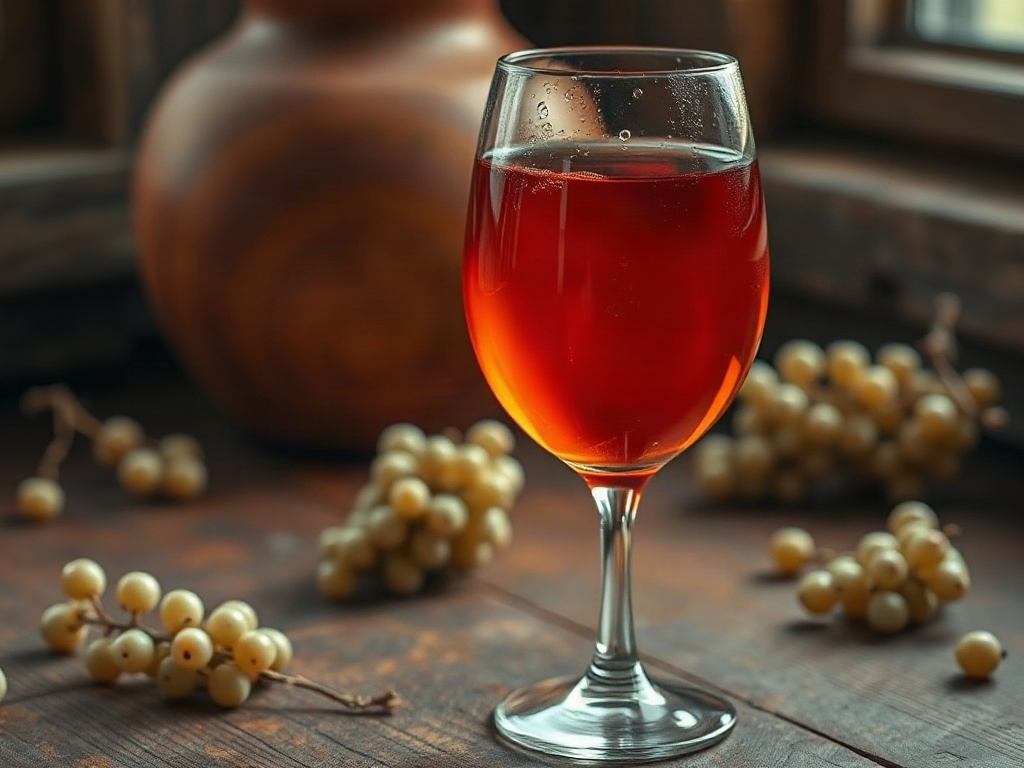
What Is Orange Wine — Skin-Contact White Wine Explained
byBrewster-
⏱️ 13 min read · 📅 September 7, 2026
# What Is Orange Wine — Skin-Contact White Wine Explained | WhichBrewForYou
Quick Answer: Orange wine is white wine grapes fermented with their skins and seeds for days or months, producing amber-orange color, tannic structure, and complex oxidative flavors.
Orange wine is not made from oranges. Instead, orange wine is white wine produced using the ancient winemaking technique of extended skin contact. When white wine grapes like Pinot Grigio, Ribolla Gialla, or Rkatsiteli are fermented with their skins, seeds, and sometimes stems for anywhere from four days to several months, the juice extracts pigments, tannins, and phenolic compounds that transform it from pale yellow to deep amber or copper-orange. This process creates wines with grippy tannins, oxidative notes, and flavor profiles closer to red wine than conventional white wine. The method originated over 8,000 years ago in the Caucasus region of modern-day Georgia, where winemakers fermented white grapes in buried clay vessels called qvevri.
Key Takeaways
Orange wine is white wine grapes fermented with skins, creating amber color and tannic structure similar to red wine
The technique originated in Georgia over 8,000 years ago using qvevri (buried clay fermentation vessels)
Extended skin contact extracts phenolic compounds, tannins, and pigments normally discarded in white wine production
Modern orange wines typically use white grape varieties like Pinot Grigio, Ribolla Gialla, Sauvignon Blanc, and Gewürztraminer
Flavors range from dried apricot and hazelnut to jackfruit, honey, sourdough, and oxidized apple depending on skin contact duration
## Jump Summary
You'll learn what orange wine is, how skin-contact fermentation creates its distinctive amber color and tannic profile, the ancient Georgian origins of the technique, which grape varieties work best, how orange wine differs from conventional white and red wines, proper serving temperatures, flavor profiles, food pairings, and why this category has exploded in popularity among natural wine enthusiasts.
## What Is Orange Wine? Understanding Skin-Contact Fermentation
Orange wine begins with white wine grapes. The defining characteristic is **extended maceration** — the practice of leaving grape skins, seeds, and sometimes stems in contact with the fermenting juice. In conventional white wine production, winemakers press white grapes immediately after crushing to separate juice from solids, producing pale, light-bodied wines. Extended maceration in winemaking reverses this approach.
When white grape skins remain submerged in juice during fermentation, they release:
- **Pigments (carotenoids and flavonoids)** that create amber, orange, copper, or tawny hues
- **Tannins (polyphenols)** that add structure, grip, and astringency
- **Phenolic compounds** that contribute oxidative, nutty, and honeyed flavors
- **Aromatic precursors** that produce complex herbal, spice, and dried fruit notes
The result is a wine category that defies traditional classification. Orange wine drinks like red wine — textured, tannic, food-friendly, age-worthy — while retaining the aromatic intensity of white wine.
## The Ancient History of Orange Wine in Georgia
Orange wine is not a modern invention. Archaeological evidence places its origins in the **Caucasus region of Georgia** over 8,000 years ago, making it one of humanity's oldest winemaking traditions. A 2017 study published in PNAS confirmed that Neolithic pottery fragments from Georgia contained residues of tartaric acid and other wine biomarkers dating to 6000 BCE.
Georgian winemakers ferment white grapes in **qvevri** — large egg-shaped clay vessels buried underground up to their necks. The qvevri maintains stable cool temperatures year-round, allowing slow, controlled fermentation with full skin contact for three to six months. After fermentation, the wine remains on its skins throughout winter before being sealed with stones and clay.
Traditional Georgian qvevri winemaking was recognized by UNESCO as Intangible Cultural Heritage in 2013. The method spread throughout the Caucasus and into modern-day Armenia, where similar amber wines are still produced using buried karas vessels.
The term "orange wine" itself is modern. Italian winemaker Josko Gravner popularized the technique in Friuli during the late 1990s after studying Georgian methods. British wine importer David A. Harvey coined the term "orange wine" in 2004 to market these skin-contact whites to English-speaking consumers. The category exploded among natural wine producers and sommeliers throughout the 2000s and 2010s.
## How Orange Wine Is Made: Step-by-Step Process
Orange wine production involves six key stages that differentiate it from conventional white winemaking:
Whole-Cluster Destemming or Inclusion: White grapes are either destemmed (stems removed) or left as whole clusters. Some producers include stems for additional tannin and structure. Stems contribute vegetal, herbal phenolics.
Crushing and Immediate Skin Contact: Crushed white grapes begin macerating immediately. Unlike white wine (juice pressed off within hours), the must (juice, skins, seeds) ferments together. Some producers skip crushing entirely, allowing whole berries to ferment intact in a semi-carbonic process.
Fermentation with Skins: Wild or cultured yeast ferments the must with full skin contact. Fermentation typically occurs in stainless steel, concrete, amphorae, qvevri, or neutral oak. Temperature control is minimal or absent — ambient fermentation is common. Skin contact duration ranges from four days to twelve months.
Punch-Downs or Submerged Cap: Grape skins float to the surface forming a cap. Winemakers either punch down the cap multiple times daily (like red wine) or submerge it under a wooden grate. In qvevri, skins sink naturally due to the vessel's shape.
Extended Maceration: After fermentation completes (10-30 days), many producers leave the wine on its skins for additional weeks or months. This post-fermentation maceration extracts additional phenolics and develops oxidative complexity. The wine takes on deeper amber or copper tones.
Pressing and Aging: The wine is pressed off its skins, then aged in neutral vessels (concrete, old oak, qvevri, or stainless steel). Minimal or no sulfur dioxide is added. Many orange wines undergo minimal filtration or fining, resulting in cloudy or hazy appearance.
The defining variable is **skin contact duration**. Short maceration (4-7 days) produces pale amber wines with gentle tannins. Extended maceration (30-300 days) yields deep orange wines with pronounced tannic grip and oxidative character.
## Which Grape Varieties Make the Best Orange Wine?
Theoretically, any white wine grape can become orange wine. In practice, certain varieties perform exceptionally due to their thick skins, aromatic intensity, or phenolic content.
**Aromatic varieties** (Gewürztraminer, Muscat, Friulano) produce intensely perfumed orange wines with floral and spice notes. **Neutral varieties** (Pinot Grigio, Rkatsiteli) allow skin tannins and oxidative characteristics to dominate. **High-acid varieties** (Sauvignon Blanc, Riesling) maintain freshness despite oxidative aging.
Decanter notes that Italian Friuli and Slovenian Brda regions produce the majority of commercial orange wines, primarily from Ribolla Gialla, Friulano, and Pinot Grigio.
## Orange Wine vs. White Wine vs. Rosé vs. Red Wine
Understanding how orange wine differs from other categories clarifies its unique position:
| Characteristic | White Wine | Rosé Wine | Orange Wine | Red Wine |
|----------------|------------|-----------|-------------|----------|
| **Grapes Used** | White varieties | Red varieties | White varieties | Red varieties |
| **Skin Contact** | None (0-4 hours) | Brief (2-24 hours) | Extended (4-300+ days) | Extended (7-30+ days) |
| **Color** | Pale yellow to gold | Pale pink to salmon | Amber to deep orange | Ruby to purple-black |
| **Tannin Level** | None to minimal | Light | Moderate to high | High |
| **Phenolic Content** | Low | Low to medium | Medium to high | High |
| **Body** | Light to medium | Light to medium | Medium to full | Medium to full |
| **Oxidative Notes** | Minimal | Rare | Common | Occasional |
**Orange wine occupies the structural space of red wine using white wine grapes.** This makes it incredibly versatile at the table — it pairs with foods that overwhelm conventional white wines (rich cheeses, cured meats, roasted vegetables, fried foods) while maintaining the aromatic complexity of white varieties.
Rosé and orange wine both involve limited skin contact, but rosé uses red grapes for brief periods (producing light color without tannin extraction), while orange wine uses white grapes for extended periods (producing both color and substantial tannin).
## Flavor Profiles: What Does Orange Wine Taste Like?
Orange wine flavor profiles vary dramatically based on grape variety, skin contact duration, fermentation vessel, and aging regimen. Phenolic compounds extracted during maceration contribute the majority of flavor complexity.
### Common Flavor Descriptors
**Fruit Notes:**
- Dried apricot, orange peel, jackfruit
- Bruised apple, quince paste, persimmon
- Dried pear, fig, golden raisin
- Fresh fruit notes fade; oxidative dried fruit dominates
**Nut and Kernel Notes:**
- Hazelnut, almond skin, walnut
- Almond paste, marzipan
- Sesame seed, tahini (in very tannic examples)
**Oxidative Notes:**
- Honey, beeswax, honeycomb
- Sourdough bread, yeast
- Sherry-like bruised apple
- Caramelized orange, marmalade
**Herbal and Spice Notes:**
- Chamomile tea, dried herbs
- Saffron, turmeric, ginger
- White pepper, coriander seed
- Fennel, anise
**Mineral and Savory Notes:**
- Saline, sea salt, wet stone
- Hay, dried grass, tobacco leaf
- Green olive, olive brine
### Texture and Mouthfeel
Orange wine's most distinctive characteristic is **texture**. Extended skin contact extracts tannins that create:
- **Grippy astringency** (like black tea or red wine)
- **Mouth-coating weight** (unlike the clean finish of conventional white wine)
- **Moderate to high body** despite lower alcohol levels
- **Textural complexity** — skins leave a slight furry or chalky sensation
Many orange wines have **noticeable acidity** balanced by tannin. This acid-tannin structure makes them exceptionally food-friendly.
## Serving Temperature and Glassware for Orange Wine
Orange wine requires different serving parameters than conventional white wine:
### Temperature
- **Ideal serving temperature: 12-15°C (54-59°F)**
- This is significantly warmer than conventional white wine (7-10°C / 45-50°F)
- Serving too cold mutes aromatic complexity and exaggerates astringency
- Serving at light red wine temperature (14-16°C) works well for full-bodied examples
### Glassware
- **Use a medium to large bowl glass** (Burgundy or universal stems work well)
- Avoid narrow Champagne flutes or small white wine glasses
- The larger bowl allows oxidative aromas to develop
- Swirling helps integrate oxygen and soften tannins
### Decanting
- Orange wines benefit from decanting or carafe service
- 30-60 minutes of aeration softens tannins and opens aromatics
- Very old or delicate examples may not require decanting
- Young, tannic examples improve dramatically with 90+ minutes of air exposure
Wine Spectator notes that orange wines evolve noticeably in the glass over 20-30 minutes as volatile oxidative compounds dissipate and fruit notes emerge.
## Food Pairing: What to Eat with Orange Wine
Orange wine's tannic structure and oxidative character make it one of the most versatile pairing wines. It handles foods that typically challenge white wine — rich, fatty, spicy, or umami-dominant dishes.
### Ideal Pairings
**Hard and Aged Cheeses:**
- Parmigiano-Reggiano, aged Gouda, Comté
- Manchego, aged cheddar, Gruyère
- The tannin cuts through fat; oxidative notes complement nutty aged flavors
**Cured Meats and Charcuterie:**
- Prosciutto, salami, 'nduja, chorizo
- Pâté, rillettes, country terrine
- Tannin handles saltiness; body matches fatty richness
**Fried Foods:**
- Fried chicken, tempura, fritto misto
- Tonkatsu, chicken schnitzel, calamari
- Acidity and tannin cut through batter and oil
**Roasted and Grilled Vegetables:**
- Roasted cauliflower, eggplant, squash
- Grilled mushrooms, peppers, zucchini
- Matches earthy, caramelized, charred flavors
**Asian and Fusion Cuisines:**
- Korean fried chicken, Japanese yakitori
- Thai curries (especially massaman and panang)
- Vietnamese banh mi, fermented vegetables
- Chinese Sichuan dishes (mapo tofu, dan dan noodles)
**Rich Fish and Seafood:**
- Grilled swordfish, tuna, mackerel
- Smoked fish, anchovies, bottarga
- Seafood stews, bouillabaisse
- Handles oily fish that overwhelm conventional white wines
### Difficult Pairings
- **Delicate white fish** (tannins overpower subtle flavors)
- **Fresh salads with vinegar dressings** (acidity clash)
- **Milk chocolate desserts** (oxidative notes conflict with sweetness)
## Health Considerations and Phenolic Content
Orange wine's extended skin contact significantly increases its phenolic compound content compared to conventional white wine. A 2018 study in Food Chemistry found that orange wines contain 2-5 times the polyphenol concentration of conventional white wines, approaching levels found in red wine.
**Key phenolic compounds in orange wine:**
- **Resveratrol** — antioxidant associated with cardiovascular benefits
- **Quercetin** — anti-inflammatory flavonoid
- **Catechins** — polyphenols with antioxidant properties
- **Tannins** — astringent polyphenols that provide structure
These compounds come primarily from grape skins and seeds. However, the health benefits of phenolic-rich wine must be weighed against alcohol's risks. Moderate consumption (one 5-oz glass daily for women, two for men) is the recommended maximum.
**Histamine content** in orange wine is typically higher than conventional white wine due to extended skin contact and natural fermentation. Individuals with histamine sensitivity may experience headaches or flushing. Sulfite levels vary — many natural orange wines contain minimal added sulfites, though naturally occurring sulfites remain.
## Why Is Orange Wine Popular Now? The Natural Wine Movement
Orange wine's surge in popularity aligns with the broader **natural wine movement** that began gaining mainstream traction in the 2010s. Natural wine emphasizes minimal intervention: wild yeast fermentation, no additives beyond trace sulfites, no fining or filtration, and organic or biodynamic viticulture.
Orange wine embodies natural wine principles:
- **Ancient technique** revived using traditional vessels (qvevri, amphorae)
- **Minimal manipulation** — natural fermentation without temperature control
- **No additives** — little or no sulfur dioxide, no commercial yeast, no enzymes
- **Textural complexity** from unfiltered, unfined wine
- **Phenolic preservation** — tannins act as natural preservatives
The category appeals to:
- **Sommeliers** seeking unusual wines for adventurous diners
- **Natural wine enthusiasts** who value terroir expression and low intervention
- **Adventurous drinkers** exploring beyond conventional categories
- **Food-focused consumers** who need versatile wines for diverse cuisines
Decanter's industry analysis shows orange wine sales increased by over 300% in European markets between 2018 and 2024, with significant growth in North American restaurants and wine bars.
People Also Ask About Orange Wine
Orange wine contains 2-5 times more polyphenols and antioxidants than conventional white wine due to extended skin contact, approaching red wine levels. However, alcohol content and individual tolerance remain the primary health factors.
Why is orange wine cloudy or hazy?
Orange wine appears hazy because most producers skip filtration and fining. Suspended yeast cells, phenolic compounds, and grape particulates remain in the wine, creating natural cloudiness that doesn't affect flavor or quality.
Does orange wine contain sulfites?
Orange wine contains naturally occurring sulfites produced during fermentation. Many natural producers add minimal or no additional sulfur dioxide, resulting in lower total sulfite levels than conventional wines, though individual bottles vary.
Expert Verdict on Orange Wine
Orange wine represents a return to ancient winemaking while simultaneously pushing modern wine culture forward. The extended skin-contact technique produces wines with structure, complexity, and food versatility that challenge conventional category boundaries. For drinkers seeking textural wines that pair with challenging cuisines — fermented foods, spicy dishes, rich cheeses, fried preparations — orange wine offers unmatched versatility. The category's growing accessibility means quality examples are available at multiple price points. Start with approachable Italian Pinot Grigio-based examples before progressing to tannic Georgian qvevri wines. Orange wine isn't for everyone — its oxidative character and grippy tannins polarize palates — but adventurous drinkers will find a wine category unlike any other.
Article Summary
Orange wine is white wine grapes fermented with skins for extended periods, creating amber color and tannic structure through phenolic extraction.
The technique originated over 8,000 years ago in Georgia using buried qvevri clay vessels and was revived by Italian producers in the 1990s.
Skin contact duration ranges from 4 days to 12 months; longer maceration produces deeper color, more tannin, and oxidative complexity.
Ribolla Gialla, Rkatsiteli, Pinot Grigio, and Gewürztraminer are the most common orange wine grape varieties.
Orange wine should be served at 12-15°C in large-bowl glasses and pairs exceptionally with fried foods, aged cheeses, cured meats, and spicy Asian cuisines.
Frequently Asked Questions About Orange Wine
Is orange wine made from oranges?
No. Orange wine is made from white wine grapes fermented with their skins, which creates an orange or amber color. The name refers to the wine's appearance, not its ingredients. No citrus fruit is involved in orange wine production.
How long does orange wine last after opening?
Orange wine lasts 3-5 days after opening when refrigerated, significantly longer than conventional white wine. The tannins and phenolic compounds act as natural preservatives. Use a wine stopper and store upright in the refrigerator.
What is the difference between orange wine and amber wine?
Orange wine and amber wine are the same thing. "Amber wine" is sometimes used in Georgia and Eastern Europe, while "orange wine" became the standard English-language term. Both describe white grapes fermented with extended skin contact.
Does orange wine taste like orange juice?
No. Orange wine has no citrus juice flavor. It tastes like white wine with added tannin, oxidative notes, and dried fruit character. Common flavors include dried apricot, hazelnut, honey, and chamomile — not fresh orange.
Can you age orange wine?
Yes. Orange wine ages exceptionally well due to its tannin content and phenolic preservation. Quality examples improve over 5-15 years, developing tertiary notes of dried fruit, nuts, and honey. Store bottles horizontally in cool, dark conditions.
Is orange wine considered natural wine?
Most orange wines are natural wines, made with minimal intervention, wild fermentation, and little or no added sulfites. However, not all orange wines are natural — some conventional producers make filtered, sulfite-added skin-contact whites. Check the producer's methods.
---
This article was produced by an automated research tool. Content is for informational purposes only and should not replace professional advice. Nothing here is medical advice, and it is not a substitute for it. Talk to a doctor about anything affecting your health. Product and resource links throughout this article are included for informational value based on relevance and quality. WhichBrewForYou has no affiliate relationship with any linked third-party site and receives no commission from any recommended products or brands. BellofattoBrews (coffee and tea) and Golden Hive Mead (mead kits and resources) are personal recommendations from this publication's founder and have no affiliation with WhichBrewForYou.