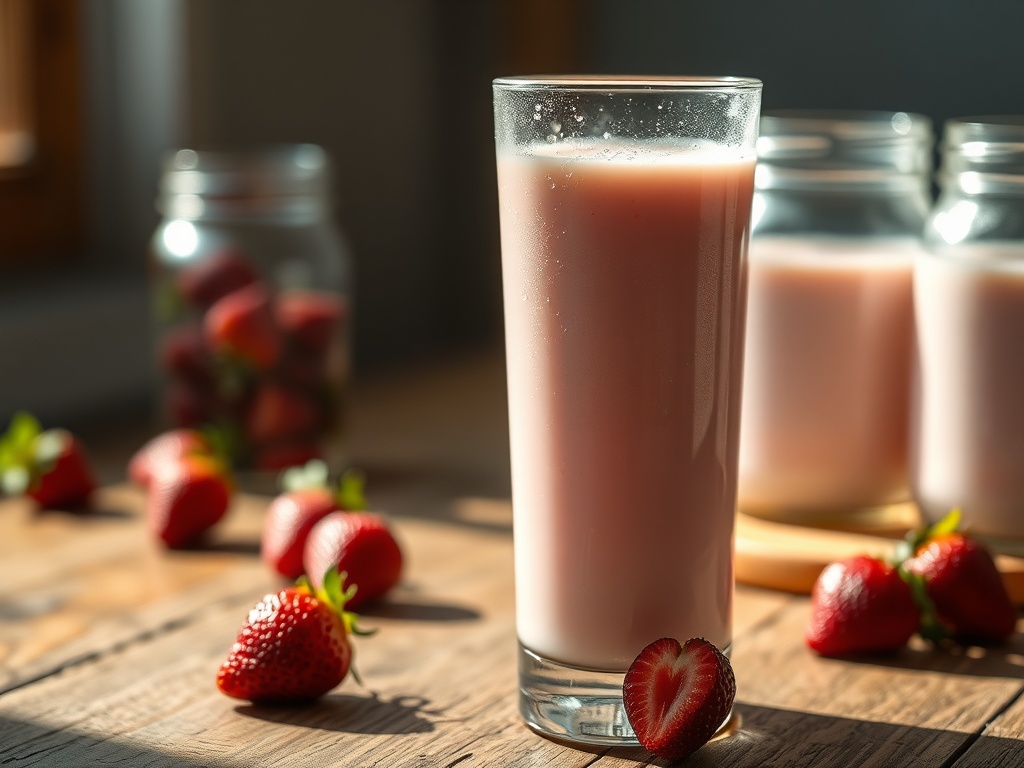
Flavoring kefir at home transforms plain fermented milk into a delicious probiotic beverage tailored to your taste preferences. The process involves completing the initial fermentation with kefir grains, straining out the grains, then adding natural flavoring ingredients like fresh fruit, honey, vanilla, cocoa powder, or spices to the finished kefir. After mixing your chosen flavors, refrigerate the kefir for 24 hours to allow the flavors to meld while slowing fermentation.
Key Takeaways
- Always flavor kefir AFTER removing the grains to protect their viability and prevent contamination
- Fresh fruits, honey, vanilla extract, and spices are the most versatile natural kefir flavoring agents
- A 24-hour refrigerated second fermentation period blends flavors optimally while maintaining probiotic activity
- Blending fruit into kefir creates smooth consistency, while chunked fruit adds texture and visual appeal
- Start with 1-2 tablespoons of flavoring per cup of kefir and adjust to taste preferences
- Flavored kefir maintains peak freshness and probiotic potency for 7-10 days when refrigerated properly
Why Flavor Kefir After the First Fermentation?
The timing of flavoring kefir directly impacts both the health of your kefir grains and the quality of the final product. Adding flavoring ingredients after the first fermentation—once grains are removed—protects the delicate microbial balance of the grains while giving you complete creative control over taste. According to Cultures for Health, introducing sugars, fruits, or acids during the initial fermentation can alter grain growth patterns and introduce competing microorganisms that compromise future batches.
Kefir grains contain a complex symbiotic colony of over 30 species of bacteria and yeasts, as documented in research published by PubMed. These microorganisms evolved to ferment plain milk efficiently. When you add fruit or sweeteners during active fermentation, the sugars can feed undesirable bacterial strains or create an environment where certain beneficial species become dormant. The separation of fermentation and flavoring ensures your grains remain robust and productive batch after batch.
The post-fermentation flavoring approach also allows precise control over sweetness levels. During fermentation, kefir grains consume lactose and convert it to lactic acid, creating kefir's characteristic tang. If you add honey or fruit before fermentation completes, the grains will partially consume those sugars, making final sweetness unpredictable. Adding flavors after straining gives you exactly the taste profile you want.
What Are the Best Ingredients for Flavoring Kefir?
The most successful kefir flavoring ingredients share three qualities: they're naturally derived, they complement kefir's tangy base, and they add nutritional value beyond just taste. Fresh and frozen fruits top the list because they introduce natural sweetness, fiber, antioxidants, and complementary enzymes that enhance digestibility.
Fresh and Frozen Fruits
Berries rank as the single most popular kefir flavoring category. Strawberries, blueberries, raspberries, and blackberries blend seamlessly into kefir's creamy texture while providing anthocyanins and vitamin C. A 2018 study in the Journal of Dairy Science found that berry polyphenols interact synergistically with kefir's probiotics to enhance antioxidant activity in the gut.
Tropical fruits like mango, pineapple, and banana create sweeter, dessert-like kefir drinks. Banana provides potassium and natural creaminess—a single medium banana blended into 2 cups of kefir creates a consistency similar to commercial smoothies.
Stone fruits including peaches, nectarines, and cherries work beautifully when pureed. Their natural sugars balance kefir's acidity without overwhelming the probiotic tang. Frozen fruit performs identically to fresh fruit for kefir flavoring and often costs less while maintaining year-round availability.
Natural Sweeteners
Honey stands as the gold standard for sweetening kefir. Its complex sugar profile includes fructose, glucose, and oligosaccharides that may act as prebiotics, feeding beneficial gut bacteria according to research from the National Institutes of Health. Start with 1 teaspoon of raw honey per cup of kefir and adjust upward.
Maple syrup provides mineral content including manganese and zinc alongside its distinctive flavor. Pure maple syrup (Grade A or Grade B) contains over 24 antioxidant compounds. Use the same ratio as honey—1 teaspoon per cup initially.
Coconut sugar and date syrup offer lower glycemic alternatives with trace minerals. Both dissolve easily in cold kefir and provide caramel-like sweetness that pairs exceptionally well with vanilla or cinnamon.
Extracts and Spices
Pure vanilla extract transforms plain kefir into a versatile base for countless flavor combinations. Half a teaspoon per cup creates noticeable vanilla presence without overpowering kefir's natural taste. Vanilla pairs perfectly with nearly every fruit and sweetener.
Cocoa powder (unsweetened) turns kefir into a probiotic chocolate milk alternative. Mix 1-2 tablespoons per cup with a sweetener of choice.
Start with 1/4 teaspoon of ground spices per cup—a little goes a long way.
Nut Butters and Seeds
Almond butter, peanut butter, and tahini create rich, protein-enhanced kefir drinks. One tablespoon of nut butter per cup adds healthy fats, protein, and creates a shake-like consistency when blended. This combination makes an excellent post-workout recovery drink.
Chia seeds and ground flaxseed contribute omega-3 fatty acids and soluble fiber. When added to kefir, chia seeds absorb liquid and create a pudding-like texture after 20-30 minutes. This combination provides sustained energy and promotes satiety.
| Flavoring Ingredient | Amount per Cup of Kefir | Primary Benefit | Best Paired With |
|---|---|---|---|
| Fresh berries | 1/4 to 1/2 cup | Antioxidants, fiber | Honey, vanilla |
| Banana | 1/2 medium banana | Potassium, creaminess | Cocoa, peanut butter |
| Raw honey | 1-2 teaspoons | Prebiotic sugars | Vanilla, cinnamon |
| Cocoa powder | 1-2 tablespoons | Flavonoids, magnesium | Banana, maple syrup |
| Vanilla extract | 1/2 teaspoon | Flavor enhancement | Nearly everything |
| Chia seeds | 1 tablespoon | Omega-3s, fiber | Berries, honey |
How to Flavor Kefir: Step-by-Step Method
Mastering kefir flavoring requires only basic equipment and follows a simple sequence. The process takes less than 5 minutes of active work, with the refrigerator doing the heavy lifting during the flavor-melding phase.
- Complete the first fermentation: Allow your kefir to ferment at room temperature (68-78°F) for 24-48 hours until it reaches your desired thickness and tanginess. Longer fermentation creates more sour, thicker kefir.
- Strain out the kefir grains: Pour the fermented kefir through a plastic or stainless steel mesh strainer into a clean glass jar or bowl. Use a wooden or plastic spoon to gently stir if needed. Never use reactive metals like aluminum. Save the grains for your next batch.
- Add your flavoring ingredients: Mix in fruits, sweeteners, extracts, or spices directly into the strained kefir. For smooth consistency, use an immersion blender or regular blender. For chunky texture, simply stir ingredients in by hand.
- Second fermentation (optional but recommended): Transfer flavored kefir to an airtight container and refrigerate for 24 hours. This resting period allows flavors to fully integrate while beneficial bacteria continue working slowly in the cold environment. This step intensifies fruit flavors significantly.
- Shake before serving: Kefir naturally separates during storage. A vigorous 10-second shake recombines the whey and curds into smooth drinking consistency.
For carbonated kefir, perform a sealed second fermentation at room temperature for 12-24 hours before refrigerating. The remaining active cultures and yeasts will produce carbon dioxide, creating a fizzy, champagne-like beverage. Cultures for Health notes that adding fruit during this room-temperature second fermentation provides sugars that accelerate carbonation—but monitor bottles closely and burp them daily to prevent excessive pressure buildup.
What Equipment Do You Need for Flavoring Kefir?
Kefir flavoring requires minimal specialized equipment. Most home cooks already own everything necessary. The essentials include straining tools, mixing vessels, and airtight storage containers—all of which should be non-reactive materials to preserve kefir's probiotic integrity.
A fine-mesh plastic or stainless steel strainer removes kefir grains effectively without damaging them. Plastic mesh strainers are gentler on grains than metal, though food-grade stainless steel works well. Avoid aluminum or copper, which can react with kefir's acidity.
Glass jars with tight-fitting lids serve as ideal fermentation and storage vessels. Mason jars in pint or quart sizes work perfectly. Glass doesn't absorb odors or stains and allows you to monitor fermentation visually. BPA-free plastic containers are acceptable alternatives.
A blender or immersion blender becomes essential for smooth fruit-flavored kefir. High-speed blenders like Vitamix or Blendtec pulverize fruit skins and seeds completely, creating restaurant-quality smooth texture. Budget-friendly immersion blenders achieve similar results directly in your storage jar.
Wooden or plastic spoons prevent accidental grain damage during stirring. Metal spoons won't harm finished kefir but can damage live grains if you're stirring during active fermentation.
Optional but useful: silicone spatulas for scraping bowls clean, measuring spoons for precise flavoring ratios, and funnel for transferring kefir between containers without spills.
How Long Should Flavored Kefir Ferment?
Flavored kefir fermentation timing depends entirely on whether you want a cold, stable product or a carbonated, actively fermenting beverage. For most home kefir makers, a 24-hour refrigerated rest period after adding flavors creates the optimal balance of taste development and probiotic stability.
The refrigerated second fermentation serves multiple purposes. First, it gives water-soluble compounds in fruits time to diffuse throughout the kefir, creating uniform flavor. Strawberry kefir that's shaken and consumed immediately tastes significantly less strawberry-forward than the same mixture after 24 hours of cold rest. Second, the continued slow fermentation at 35-40°F allows kefir's bacteria to partially break down fruit fibers and release additional nutrients. Third, refrigeration prevents over-fermentation that can make kefir excessively sour or separated.
For carbonated kefir drinks, a room-temperature second fermentation of 12-24 hours generates significant carbonation. During this phase, yeasts in the kefir culture consume fruit sugars and produce carbon dioxide. Use bottles designed for pressurized beverages—flip-top bottles or recycled kombucha bottles work well. Burp the bottles every 12 hours by briefly opening them to release excess pressure. Over-carbonation can cause bottles to explode, creating safety hazards and messy cleanup.
Research from PubMed indicates that kefir maintains viable probiotic counts exceeding 1 billion CFU per serving even after extended refrigeration, though counts gradually decline after 14 days.
What Are the Most Popular Kefir Flavor Combinations?
Certain flavor pairings have emerged as crowd favorites in the home fermentation community. These combinations balance kefir's natural tang with complementary sweet, spicy, or rich elements that create complex, satisfying beverages.
Berry Vanilla
Combine 1/2 cup mixed berries (strawberries, blueberries, raspberries) with 1/2 teaspoon vanilla extract and 1 teaspoon honey per cup of kefir. Blend until smooth. This combination provides over 4 grams of fiber per serving and delivers a flavor profile similar to berry yogurt smoothies but with superior probiotic diversity.
Tropical Paradise
Blend 1/4 cup mango chunks, 1/4 cup pineapple, and 1/4 medium banana per cup of kefir. Add 1/4 teaspoon coconut extract if desired. The natural fruit sugars eliminate the need for added sweeteners. This combination provides vitamin C, vitamin A, and digestive enzymes from pineapple's bromelain.
Chocolate Peanut Butter
Mix 1.5 tablespoons unsweetened cocoa powder, 1 tablespoon natural peanut butter, and 1-2 teaspoons maple syrup per cup of kefir. Blend thoroughly. This creates a protein-rich recovery drink with approximately 12 grams of protein per cup, making it ideal for post-exercise consumption.
Cinnamon Honey
Stir 1/4 teaspoon ground cinnamon and 1-2 teaspoons raw honey into plain kefir. Let rest refrigerated for 24 hours.
Matcha Green Tea
Whisk 1/2 teaspoon ceremonial-grade matcha powder with 1 tablespoon warm water to create a paste, then blend into 1 cup kefir with 1 teaspoon honey. The L-theanine in matcha provides calm, focused energy that balances well with kefir's protein content.
Ginger Turmeric
Blend 1/2 teaspoon fresh grated ginger, 1/4 teaspoon ground turmeric, a pinch of black pepper (to enhance curcumin absorption), and 1 teaspoon honey per cup of kefir.
How Do You Store Flavored Kefir Properly?
Proper storage extends flavored kefir's shelf life and maintains its probiotic potency. Refrigeration at 35-40°F immediately after flavoring stops aggressive fermentation while allowing beneficial bacteria to remain viable for consumption.
Glass containers with airtight lids provide optimal storage. Glass doesn't leach chemicals, maintains stable temperature, and allows visual monitoring of kefir's condition. Mason jars, glass bottles with swing-top lids, or any food-grade glass storage jar works well. Fill containers leaving 1-2 inches of headspace to account for any gas production from continued slow fermentation.
Store kefir on a middle or upper refrigerator shelf rather than the door. Temperature fluctuates significantly in door storage as the refrigerator opens and closes throughout the day. Stable, consistent cold temperature preserves both flavor quality and bacterial viability.
Flavored kefir remains safe and delicious for 7-10 days when properly refrigerated. Beyond this window, kefir becomes increasingly sour as fermentation continues and may develop off-flavors. The probiotic content remains substantial—research shows beneficial bacteria survive refrigeration well—but palatability declines.
For longer storage, freeze flavored kefir in ice cube trays or freezer-safe containers. Frozen kefir maintains quality for up to 3 months. Note that freezing kills some probiotic bacteria, reducing the viable count by approximately 20-30% according to dairy fermentation studies. Thaw frozen kefir in the refrigerator overnight and shake well before consuming—the texture may be slightly grainy but blending restores smoothness.
Never store kefir in aluminum or reactive metal containers. The lactic acid in kefir can leach metals into your beverage, creating off-flavors and potential health concerns.
People Also Ask
Can you flavor kefir with coffee?
Yes, cold brew coffee blends exceptionally well with kefir. Use 1/4 to 1/2 cup cold brew per cup of kefir, adding sweetener to balance acidity. The combination creates a probiotic iced coffee with added protein and creaminess.
Does flavoring kefir reduce its probiotic content?
No, adding natural flavoring ingredients after fermentation doesn't meaningfully reduce probiotic counts. The beneficial bacteria remain viable in flavored kefir. However, heat-treating or using preservatives would kill probiotics—stick to fresh, natural ingredients added to cold kefir.
Can you use frozen fruit to flavor kefir?
Absolutely. Frozen fruit works identically to fresh fruit for kefir flavoring and often costs less. Frozen berries, mango, and pineapple blend smoothly when added directly to kefir without thawing. The frozen fruit also chills your kefir immediately.
What Mistakes Should You Avoid When Flavoring Kefir?
Even experienced fermenters make errors that compromise flavor or waste ingredients. Avoiding these common pitfalls ensures consistent, delicious results every time you flavor kefir.
Adding Flavors Before Removing Grains
This tops the list of kefir flavoring mistakes. Adding fruits, sweeteners, or spices during active fermentation exposes grains to competing sugars and potential contaminants. Fruits carry wild yeasts and bacteria on their skins that can colonize kefir grains and alter their performance. Some flavorings—particularly acidic fruits like citrus—can stress grains and reduce their reproductive capacity. Always strain grains first, then flavor.
Over-Sweetening
Over-sweetening masks this beneficial tanginess and can create a cloying beverage. Start conservatively with sweeteners, adding 1 teaspoon at a time. You can always add more, but you can't remove excess sweetness. Remember that fruit flavoring contributes natural sugars as well.
Insufficient Blending
When using fibrous fruits like strawberries or mango, inadequate blending leaves chunks and seeds that create unpleasant texture. Blend flavored kefir for at least 30 seconds on high speed to achieve smooth, drinkable consistency. For ultimate smoothness, strain blended kefir through a fine-mesh sieve to remove any remaining solids.
Skipping the Refrigerated Rest Period
Immediately consuming freshly flavored kefir yields muted taste. The 24-hour cold rest allows flavor compounds to fully develop and integrate. This patience transforms good kefir into exceptional kefir. Mark your flavored kefir containers with the date and resist the temptation to drink it immediately.
Using Artificial Flavorings or Extracts
Artificial flavoring compounds may contain preservatives or chemicals that inhibit bacterial activity. Stick to pure extracts (vanilla, almond, peppermint) and natural ingredients. Read extract labels carefully—"imitation vanilla" contains synthetic vanillin and additives, while "pure vanilla extract" contains only vanilla beans and alcohol.
Ignoring Separation
Kefir naturally separates into curds and whey during storage. The clear yellowish liquid (whey) settling at the bottom is normal and nutritious—it contains minerals, B vitamins, and some probiotics. Shake vigorously before serving to recombine. Pouring off separated whey wastes nutrients and creates overly thick kefir.
Expert Verdict
Flavoring kefir at home unlocks endless variety in your probiotic routine while maintaining full control over ingredients and sweetness levels. The key to success lies in respecting the two-phase process: complete fermentation first with grains alone, then flavor the strained kefir with natural ingredients. A 24-hour refrigerated rest period after flavoring allows tastes to meld fully, transforming good homemade kefir into an exceptional, restaurant-quality probiotic beverage. Start with classic combinations like berry vanilla or chocolate peanut butter, then experiment based on seasonal produce and personal preferences. The minimal time investment—under 5 minutes of active work—yields weeks of varied, delicious, gut-healthy drinks that far surpass commercial alternatives in both probiotic diversity and flavor customization.
Article Summary
- Flavor kefir after removing grains by adding fruits, honey, vanilla, spices, or nut butters to finished strained kefir
- Refrigerate flavored kefir for 24 hours to allow ingredients to meld and develop full flavor while maintaining probiotic viability
- Fresh and frozen fruits work equally well—berries, tropical fruits, and stone fruits are most popular choices
- Use 1-2 tablespoons of flavoring per cup of kefir as a starting ratio, adjusting to personal taste preferences
- Blending creates smooth texture while hand-stirring maintains chunky, textured consistency depending on preference
- Properly stored flavored kefir remains fresh and probiotic-rich for 7-10 days in the refrigerator
- Avoid flavoring before removing grains, over-sweetening, using artificial ingredients, and skipping the refrigerated rest period
Frequently Asked Questions
Can you flavor kefir with jam or preserves?
Yes, jam works as a quick kefir flavoring option. Use 1-2 tablespoons per cup of kefir and stir thoroughly. Choose preserves made with real fruit and minimal added sugar. Note that commercial jams contain less fiber and nutrients than fresh fruit but provide convenience and year-round flavor variety.
How do you make kefir less sour when flavoring?
Reduce sourness by fermenting for a shorter time period (18-24 hours instead of 48), using more milk per volume of grains, or adding natural sweeteners like honey or maple syrup when flavoring. Banana and dates also reduce perceived sourness while adding natural sweetness and creaminess without refined sugar.
Is it safe to flavor kefir with citrus fruits?
Citrus is safe to add after straining grains, but use it sparingly. The high acidity can make kefir excessively tart. Start with 1-2 teaspoons of fresh lemon or lime juice per cup. Orange segments and zest work beautifully. Never add citrus during active fermentation with grains present—the acidity stresses beneficial bacteria.
Can you use protein powder to flavor kefir?
Yes, unflavored or flavored protein powder blends well with kefir, creating a high-protein smoothie with 20+ grams of protein per serving. Add 1 scoop per cup of kefir. Choose protein powders without artificial sweeteners or preservatives for best results. Whey, pea, and collagen proteins all work effectively.
What's the difference between flavoring kefir and making kefir smoothies?
Flavoring kefir involves adding ingredients to finished kefir then refrigerating for integrated taste. Kefir smoothies are blended immediately with multiple ingredients including ice, creating a thicker, shake-like consistency meant for instant consumption. Both methods work—smoothies emphasize texture and immediate enjoyment while flavored kefir emphasizes flavor development over time.
How do you make carbonated flavored kefir?
Add fruit or sweetener to strained kefir, pour into flip-top bottles leaving 2 inches headspace, seal tightly, and ferment at room temperature for 12-24 hours. The active yeasts produce carbon dioxide from the sugars, creating natural carbonation. Refrigerate after desired fizziness develops. Burp bottles daily to prevent over-pressurization.
This article was produced by an automated research tool. Content is for informational purposes only and should not replace professional advice. Nothing here is medical advice, and it is not a substitute for it. Talk to a doctor about anything affecting your health. Product and resource links throughout this article are included for informational value based on relevance and quality. WhichBrewForYou has no affiliate relationship with any linked third-party site and receives no commission from any recommended products or brands. BellofattoBrews (coffee and tea) and Golden Hive Mead (mead kits and resources) are personal recommendations from this publication's founder and have no affiliation with WhichBrewForYou.