Key Takeaways
- Wheat beers contain 30-70% wheat malt, creating lighter body and natural cloudiness perfect for summer refreshment
- German Hefeweizens deliver classic banana and clove esters from specialized yeast strains fermented at 62-75°F
- Belgian Witbiers use coriander and orange peel additions for bright, spicy character ideal for warm weather
- Serve wheat beers at 40-50°F in tall vase-shaped glasses to preserve head retention and aromatic compounds
- American wheat ales offer cleaner profiles with citrus hop additions, bridging craft beer and traditional wheat styles
- Most summer wheat beers fall between 4-5.5% ABV, supporting sessionability during extended outdoor drinking
Why Wheat Beers Excel in Summer Weather
Wheat beers dominate summer drinking because their grain composition creates fundamentally different mouthfeel and flavor characteristics than barley-only beers. According to the Brewers Association, wheat proteins contribute to enhanced head retention and creamy texture while producing lighter perceived body despite similar alcohol content to traditional lagers.
The high protein content in wheat malt creates the signature hazy appearance that defines these styles. Beer Judge Certification Program style guidelines specify that authentic wheat beers should remain unfiltered, preserving suspended yeast and wheat proteins that contribute both to visual appeal and flavor complexity. This cloudiness isn't a flaw—it's a defining characteristic that distinguishes wheat beers from clarified summer lagers.
Temperature perception plays a crucial role in summer beer selection. A study in Food Quality and Preference found that wheat beers' phenolic and ester compounds register as more refreshing at warm ambient temperatures compared to hop-forward styles, making them perceptually cooler-tasting even at identical serving temperatures.
What Makes German Hefeweizen the Classic Summer Wheat Beer
German Hefeweizen stands as the archetypal summer wheat beer, with its banana and clove aromatics derived from traditional Bavarian yeast strains fermenting at elevated temperatures. These beers typically contain 50-70% wheat malt, with the remainder being Pilsner malt, creating a pale straw to deep gold appearance with characteristic cloudiness.
The defining flavors in Hefeweizen come not from hops or grain but from fermentation byproducts. According to research published in the Journal of Agricultural and Food Chemistry, the banana notes derive from isoamyl acetate esters produced when Weihenstephan yeast strains ferment between 62-75°F, while 4-vinyl guaiacol creates the distinctive clove-like phenolic character.
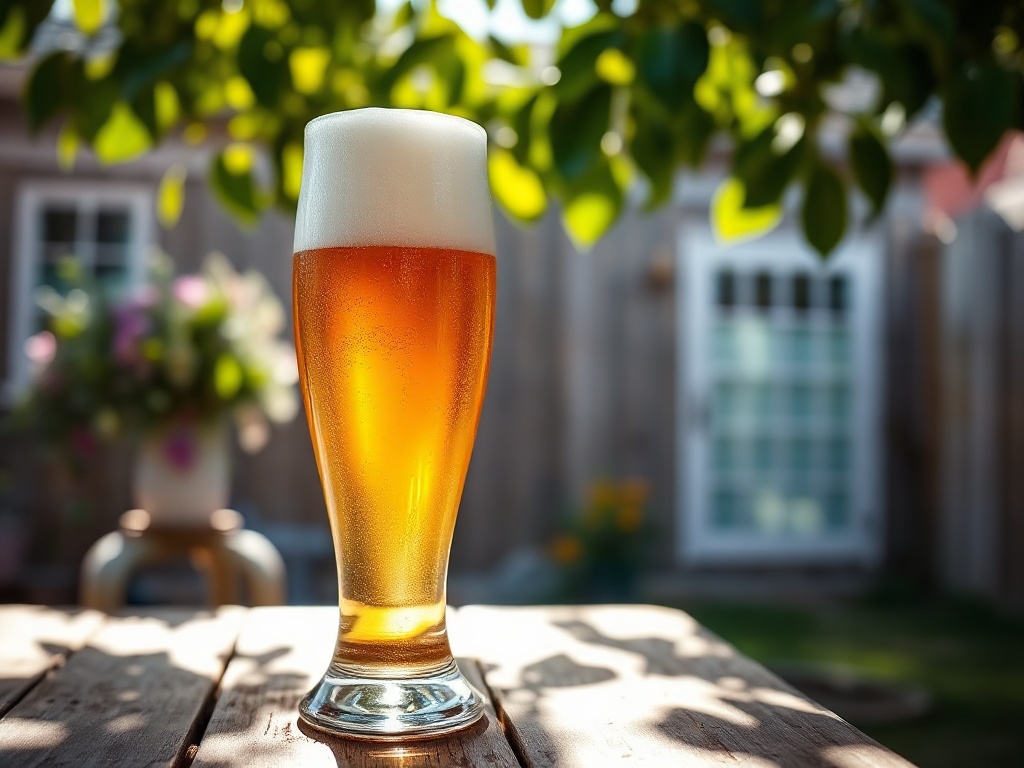
Traditional serving method matters significantly for Hefeweizen enjoyment. The classic pour into a Weizenglas—a tall, curved vase glass—allows for proper head development while concentrating aromatic compounds at the rim. Brewmasters recommend leaving about a half-inch of beer in the bottle, then gently swirling to suspend settled yeast before pouring this final portion to achieve authentic cloudy appearance and full flavor profile.
| Hefeweizen Characteristic | Specification | Impact on Summer Drinking |
|---|---|---|
| ABV Range | 4.5-5.5% | Sessionable for extended outdoor drinking |
| IBU (Bitterness) | 8-15 | Low bitterness prevents palate fatigue in heat |
| Serving Temperature | 45-50°F | Warmer than lagers to release esters |
| Carbonation Level | High (3.5-4.5 volumes CO₂) | Effervescent mouthfeel enhances refreshment |
How Belgian Witbier Delivers Citrus-Forward Summer Refreshment
Belgian Witbier (white beer) takes a fundamentally different approach to wheat beer construction, incorporating spice additions that amplify summer refreshment. These beers use unmalted wheat alongside malted barley, typically in a 50/50 ratio, creating a distinctly smooth and silky mouthfeel that differs from German wheat beer texture.
The hallmark of Witbier lies in its spice additions. Traditional recipes call for coriander seeds and dried bitter orange peel (often Curaçao orange) added during the final minutes of the boil. The CraftBeer.com brewing database notes that authentic Belgian brewers use approximately 0.5-1.0 ounces of coriander and 0.75-1.5 ounces of orange peel per five-gallon batch, creating bright citrus and herbal notes without overwhelming the delicate wheat base.
Witbiers ferment at cooler temperatures than Hefeweizens—typically 62-68°F—using Belgian yeast strains that produce subtle fruity esters without the pronounced banana character. This creates a cleaner canvas for the spice additions to shine through, making Witbier an ideal pairing for summer foods like grilled seafood, fresh salads, and citrus-based dishes.
The style experienced a renaissance in the 1960s when Pierre Celis revived the traditional Hoegaarden recipe, which had nearly disappeared. Modern craft interpretations often add contemporary twists—Meyer lemon peel, chamomile, or peppercorn—while maintaining the core principle of wheat beer enhanced with complementary botanicals for warm-weather refreshment.
What American Wheat Ales Bring to Summer Beer Selection
American wheat ales represent a craft beer evolution of traditional wheat beer styles, typically incorporating New World hops for citrus-forward character while maintaining the approachable wheat beer base. These beers generally use 30-50% wheat malt—less than German styles—creating lighter body while allowing hop character to play a more prominent role.
The hop selection in American wheat ales focuses on citrus and tropical fruit aromatics rather than bitterness. Cascade, Citra, and Amarillo hops appear frequently, contributing grapefruit, orange, and passionfruit notes that complement rather than overpower the wheat malt foundation. According to the American Homebrewers Association, IBU levels typically range from 15-30, providing just enough hop presence to balance the wheat sweetness without creating aggressive bitterness.
Yeast selection distinguishes American wheat ales from their European counterparts. Most American versions use clean-fermenting ale yeast strains that produce minimal esters and phenolics, allowing grain and hop character to dominate. This creates a more straightforward flavor profile that appeals to drinkers transitioning from light lagers to craft beer styles.
Summer fruit additions have become increasingly popular in American wheat ales. Brewers incorporate watermelon, peach, mango, and berry purees or natural essences, creating fruit-forward variations perfect for pool parties and beach gatherings. The Northern Brewer homebrew resource center reports that fruit wheat ales represent one of the fastest-growing segments in the wheat beer category, particularly in warm-weather markets.
How to Select the Best Wheat Beer for Specific Summer Occasions
Matching wheat beer styles to summer activities and food pairings maximizes enjoyment and refreshment. The occasion, duration of drinking, and accompanying food all influence which wheat beer style performs best.
For beach days and poolside sessions lasting several hours, choose lower-ABV Hefeweizens or American wheat ales in the 4-4.8% range—these maintain drinkability without causing dehydration or intoxication during extended sun exposure. The Mayo Clinic recommends alternating alcoholic beverages with water during outdoor summer drinking to prevent heat-related complications.
Backyard barbecues pair exceptionally well with Belgian Witbiers, whose coriander and citrus notes complement grilled chicken, fish tacos, and vegetable skewers. The style's moderate carbonation and spice complexity cut through rich marinades and smoked flavors without overwhelming subtle seasoning. Serve Witbier at 42-47°F to preserve the delicate aromatics while maintaining refreshing coolness.
Dinner parties featuring seafood or light summer cuisine call for American wheat ales with fruit additions. A mango or apricot wheat ale alongside ceviche, shrimp cocktail, or Mediterranean mezze creates harmonious flavor bridges between food and beverage. The fruit character should enhance rather than dominate—look for "brewed with" fruit additions rather than fruit beer concentrates.
- Afternoon lawn activities: German Hefeweizen served at 48-50°F in proper vase glasses maximizes aromatic experience
- Spicy summer foods: Belgian Witbier's coriander notes complement rather than intensify capsaicin heat
- Grilled seafood: Unfiltered American wheat ales with citrus hop character create ideal pairings
- Post-exercise refreshment: Lower-ABV wheat ales (under 4.5%) with higher carbonation restore hydration perception
- Sunset entertaining: Slightly stronger Belgian-style wheat beers (5-5.5%) transition from afternoon to evening drinking
Best Serving Practices for Maximum Summer Refreshment
Proper serving temperature dramatically affects wheat beer perception and enjoyment. Unlike lagers served ice-cold, wheat beers require slightly warmer temperatures to release their characteristic ester and phenolic aromatics. The BJCP serving guidelines recommend 45-50°F for Hefeweizens and 42-47°F for Witbiers and American wheat ales.
Glassware selection influences both presentation and aromatic delivery. Traditional wheat beer glasses—tall, curved vases with narrow bases and wide mouths—concentrate foam at the top while allowing proper head development. The shape directs aromatic compounds toward the nose with each sip, enhancing the sensory experience. In casual settings, a standard pint glass works adequately, but avoid wide-mouth glasses that dissipate carbonation and aromatics too quickly.
The pour technique for wheat beers differs fundamentally from clear beer service. Start by rinsing the glass with cold water to remove any soap residue and cool the glass surface. Tilt the glass to 45 degrees and pour steadily down the side until three-quarters full. Return the glass to vertical position and pour the remaining beer directly into the center to build a proper foam head. For bottled Hefeweizen, leave approximately half an inch in the bottle, swirl gently to suspend settled yeast, then pour this final portion to achieve authentic cloudy appearance.
Storage before serving matters significantly for wheat beer quality. Unlike hoppy beers that deteriorate rapidly, wheat beers maintain quality for several months when stored properly. Keep bottles refrigerated at 35-40°F and away from direct light, which causes skunking in clear or green bottles. According to a study in the Journal of Food Science, wheat beers stored at consistent cool temperatures maintain their ester profile significantly longer than those experiencing temperature fluctuations.
People Also Ask About Summer Wheat Beers
Should wheat beer be served with a lemon wedge?
Traditional German brewers strongly discourage lemon wedges, as citric acid destroys the beer's foam head and overwhelms subtle yeast-derived flavors. Belgian Witbiers sometimes feature orange garnish to highlight existing citrus notes, but authentic service omits fruit additions.
Why do wheat beers taste cloudy or hazy?
Cloudiness comes from suspended yeast and wheat proteins intentionally left unfiltered. These particles contribute to wheat beer's signature creamy texture and full flavor profile, distinguishing the style from filtered lagers and ales.
Can diabetics drink wheat beer safely?
Wheat beers contain similar carbohydrate levels to other beers—typically 10-15g per 12oz serving.
Top Wheat Beer Styles Ranked for Summer Drinking Conditions
Not all wheat beers perform equally across different summer scenarios. Temperature tolerance, food pairing versatility, and sessionability vary significantly between styles, making strategic selection important for optimal enjoyment.
German Hefeweizen claims the top position for pure summer refreshment, offering the ideal balance of flavor complexity, moderate alcohol content, and thirst-quenching character. The style's high carbonation creates exceptional mouthfeel while its low bitterness prevents palate fatigue during extended drinking sessions. Hefeweizen maintains its character even as temperature rises slightly—the banana and clove esters actually intensify as the beer warms from 45°F to 55°F, creating a forgiving service window for outdoor settings.
Belgian Witbier ranks second for versatility across food pairings and mixed-age gatherings. The coriander and orange peel additions create approachable flavor that appeals to both beer enthusiasts and casual drinkers. Witbier's lower alcohol content (typically 4.5-5.0%) supports afternoon-to-evening drinking without excessive intoxication, while its bright citrus notes complement the widest range of summer cuisine from shellfish to grilled vegetables.
American wheat ales with fruit additions occupy third position for specific scenarios—particularly casual backyard gatherings and beach environments where maximum refreshment matters more than traditional beer character. The fruit additions create instant flavor recognition and broad appeal, though purists may find them less sophisticated than European styles. Research from the Brewers Association indicates fruit wheat ales show the highest growth in warm-climate markets, suggesting strong consumer preference in hot weather conditions.
- German Hefeweizen: Best all-around summer wheat beer for flavor, refreshment, and traditional character
- Belgian Witbier: Top choice for food pairing versatility and approachable spiced complexity
- American Wheat Ale (unfruited): Ideal for craft beer drinkers seeking citrus hop character with wheat base
- Fruit Wheat Ale: Perfect for casual gatherings prioritizing maximum refreshment over beer tradition
- Dunkelweizen: Best for transitional summer evenings when darker beer flavors become appropriate
Common Wheat Beer Mistakes That Reduce Summer Enjoyment
Even experienced beer drinkers make serving and selection errors that diminish wheat beer quality. Recognizing these mistakes prevents disappointment and maximizes refreshment during warm weather drinking.
Serving wheat beer too cold represents the most common error. Many drinkers accustomed to serving light lagers at 32-38°F apply the same temperature to wheat beers, completely suppressing the ester and phenolic compounds that define these styles. According to CraftBeer.com sensory analysis data, Hefeweizen served below 40°F loses approximately 70% of its banana and clove character, tasting like bland, yeasty beer rather than the intended flavor profile.
Using inappropriate glassware fails to showcase wheat beer's visual and aromatic qualities. Pouring Hefeweizen into a wide-mouth glass or standard beer mug prevents proper head retention and disperses aromatic compounds too quickly. The traditional tall, narrow wheat beer glass isn't mere tradition—it's functional design that concentrates foam, preserves carbonation, and directs aromatics toward the nose.
Failing to rouse settled yeast before the final pour creates inconsistent flavor throughout the bottle. Wheat beers naturally deposit yeast sediment during storage, and this yeast contributes significantly to authentic flavor and mouthfeel. Pouring the entire bottle without swirling results in a beer that tastes thin and incomplete until the final yeast-heavy portion at the bottom. The proper technique requires leaving the final half-inch, gentle bottle swirl, then pouring to mix this yeast suspension throughout the glass.
Drinking wheat beer past its prime diminishes quality significantly. While not as hop-sensitive as IPAs, wheat beers show noticeable degradation after 4-6 months. The delicate esters fade, carbonation decreases, and the beer develops papery oxidation flavors. A study in Food Chemistry found that isoamyl acetate—the primary banana ester in Hefeweizen—decreases by approximately 40% after six months of refrigerated storage. Check bottling or canning dates and prioritize fresher packages for optimal summer drinking.
How Wheat Beer Nutrition Compares to Other Summer Beverages
Understanding wheat beer's nutritional profile helps drinkers make informed choices during summer occasions where multiple beverages compete for attention. Wheat beers occupy a middle ground between light lagers and heavier craft beer styles in terms of calories and carbohydrates.
A standard 12-ounce serving of wheat beer contains approximately 150-170 calories, with the majority coming from alcohol and residual carbohydrates. According to the USDA FoodData Central database, wheat beers provide minimal protein (1-2g per serving) despite their grain content, as most proteins remain in the spent grain during brewing rather than transferring to the finished beer.
Carbohydrate content in wheat beers ranges from 12-18 grams per 12-ounce serving, slightly higher than light lagers but considerably lower than sweet cocktails or sugary mixed drinks.
| Beverage (12 oz) | Calories | Carbohydrates | Alcohol Content |
|---|---|---|---|
| German Hefeweizen | 160-170 | 14-16g | 4.5-5.5% |
| Belgian Witbier | 150-165 | 12-15g | 4.5-5.0% |
| Light Lager | 95-110 | 4-7g | 4.0-4.5% |
| Margarita | 220-280 | 24-36g | 12-15% |
| Hard Seltzer | 90-110 | 2-5g | 4.5-5.0% |
Gluten content presents a consideration for sensitive individuals. Wheat beers contain significant gluten from both wheat and barley malt, making them completely unsuitable for celiac disease sufferers. Some brewers produce "gluten-reduced" wheat beers using enzymes to break down gluten proteins, though the FDA cannot verify their safety for those with celiac disease. Truly gluten-free alternatives use sorghum, rice, or millet rather than traditional wheat and barley.
Regional Wheat Beer Variations Worth Exploring for Summer
While German Hefeweizen and Belgian Witbier dominate wheat beer discussions, several regional variations offer distinctive summer drinking experiences. These lesser-known styles provide alternatives for adventurous beer drinkers seeking variety beyond mainstream options.
Berliner Weisse represents Germany's other significant wheat beer contribution, though drastically different from Hefeweizen. This tart, low-alcohol style (typically 2.8-3.8% ABV) undergoes lactic acid fermentation creating pronounced sourness balanced by wheat malt sweetness. Traditional Berlin service includes flavored syrup—woodruff (green) or raspberry (red)—though purists drink it unsweetened. The extreme sessionability makes Berliner Weisse ideal for day drinking in hot weather, while the tartness provides remarkable refreshment. According to the BJCP style guidelines, authentic Berliner Weisse shows no hop character and minimal ester production, creating a clean, sour wheat beer unlike any other style.
Gose, another German wheat beer style, adds salt and coriander to a tart wheat base, creating a complex interplay of sour, salty, and herbal flavors. Originally from Goslar, this style experienced near-extinction before American craft brewers revived it in recent years. The light salinity enhances perceived refreshment and helps replace electrolytes lost during summer heat, making Gose functionally superior for post-exercise drinking compared to non-salted styles. Modern interpretations add fruit—particularly passionfruit, mango, and watermelon—creating tropical variations perfect for summer sipping.
American brewers have embraced wheat as a base for experimental styles that blur traditional boundaries. Wheat IPAs combine wheat malt's smooth body with aggressive American hop additions, creating a softer, less astringent alternative to standard IPAs while maintaining high hop aromatics. These typically fall in the 6-7% ABV range, making them less sessionable but ideal for flavor-focused summer evening drinking.
Expert Verdict: Best Wheat Beer Strategy for Summer
The optimal summer wheat beer strategy involves maintaining variety across different occasions rather than declaring a single style superior. Stock German Hefeweizen as your foundational choice for pure refreshment and traditional character—this style performs consistently across the widest range of temperatures, foods, and drinking durations. Add Belgian Witbier for seafood-focused meals and mixed gatherings where approachable spiced complexity appeals to diverse palates. Include at least one American wheat ale with fruit additions for casual poolside sessions where maximum refreshment matters more than beer tradition. This three-style approach provides appropriate options for any summer scenario while showcasing wheat beer's remarkable versatility as warm-weather's most food-friendly and refreshing beer category.
Article Summary
- Wheat beers excel in summer due to lighter body, high carbonation, and refreshing flavor profiles derived from 30-70% wheat malt composition
- German Hefeweizens deliver classic banana and clove character from specialized yeast fermentation, ideal for all-around summer refreshment
- Belgian Witbiers incorporate coriander and orange peel for bright, food-friendly complexity perfect alongside grilled seafood and summer cuisine
- American wheat ales offer citrus hop character with clean fermentation, bridging traditional wheat beers and contemporary craft beer preferences
- Serve wheat beers at 45-50°F in tall vase glasses, always rousing settled yeast before the final pour to achieve authentic cloudy appearance and full flavor
Frequently Asked Questions
What is the difference between Hefeweizen and Witbier?
Hefeweizen uses German yeast producing banana and clove flavors through fermentation esters, while Witbier adds coriander and orange peel as spices during brewing. Hefeweizen ferments warmer (68-75°F) creating pronounced esters, whereas Witbier ferments cooler (62-68°F) with cleaner yeast character letting spices dominate.
How long does wheat beer stay fresh after opening?
Once opened, wheat beer loses carbonation and aromatic compounds within 24-48 hours even when refrigerated. The high carbonation and volatile esters dissipate quickly once exposed to air. Consume opened wheat beer immediately for optimal quality, as the style relies heavily on freshness and effervescence.
Can you brew wheat beer at home successfully?
Wheat beer ranks among the most beginner-friendly homebrew styles, requiring standard ale equipment and straightforward processes. The American Homebrewers Association notes Hefeweizen's forgiving fermentation temperature range and short conditioning time make it ideal for first-time brewers seeking flavorful results within three weeks.
Why does wheat beer foam more than other beers?
Wheat proteins create exceptional foam stability and head retention compared to all-barley beers. These proteins bond with CO₂ bubbles forming persistent foam structures that define wheat beer's signature fluffy white head. Proper glassware and pouring technique maximize this characteristic visual appeal.
Do wheat beers contain more gluten than regular beers?
Yes, wheat beers contain higher gluten levels than all-barley beers due to wheat's gluten protein composition. Both wheat and barley contain gluten, making traditional wheat beers completely inappropriate for celiac disease sufferers. Gluten-reduced processes exist but cannot guarantee safety for those with severe sensitivities.
What foods pair best with wheat beer in summer?
Wheat beers complement grilled seafood, light salads, fresh mozzarella, citrus-based dishes, and mild cheeses exceptionally well. The styles' low bitterness and bright flavors enhance rather than overpower delicate summer cuisine. Avoid pairing with heavily spiced or intensely flavored foods that overwhelm wheat beer's subtle complexity.
This article was produced by an automated research tool. Content is for informational purposes only and should not replace professional advice. Nothing here is medical advice, and it is not a substitute for it. Talk to a doctor about anything affecting your health. Product and resource links throughout this article are included for informational value based on relevance and quality. WhichBrewForYou has no affiliate relationship with any linked third-party site and receives no commission from any recommended products or brands. BellofattoBrews (coffee and tea) and Golden Hive Mead (mead kits and resources) are personal recommendations from this publication's founder and have no affiliation with WhichBrewForYou.