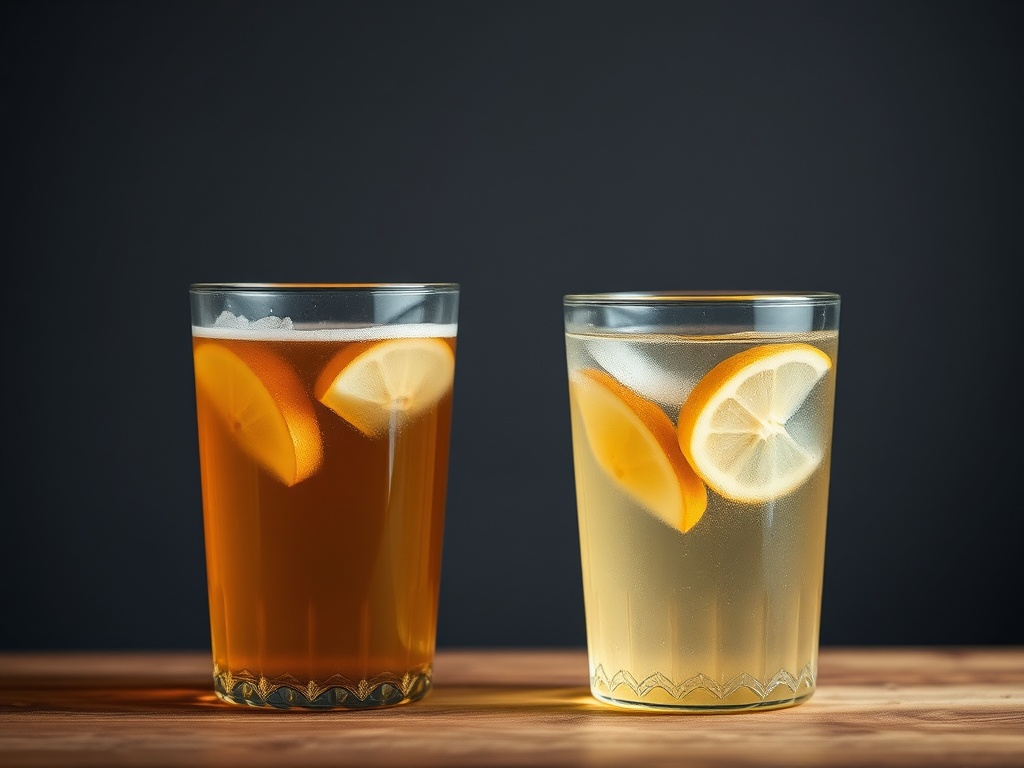
Key Takeaways
- Raw cider contains 10⁴ to 10⁶ CFU/mL of wild yeast and bacteria that naturally initiate fermentation within 24-48 hours at room temperature
- Pasteurized cider requires pitching commercial yeast strains but eliminates 99.999% of spoilage organisms, reducing infection risk from 15-30% to under 2%
- Wild fermentation from raw cider produces higher concentrations of esters and phenolic compounds, creating more complex but less predictable flavor profiles
- Pasteurized cider ferments 20-30% slower than raw cider when using the same yeast strain due to lower nutrient availability from heat treatment
- Commercial cideries use pasteurized juice for 87% of production to ensure batch consistency and meet food safety regulations
The choice between raw and pasteurized apple cider fundamentally shapes every aspect of home cider fermentation. Raw unpasteurized cider arrives from the press teeming with indigenous microorganisms—wild Saccharomyces and non-Saccharomyces yeasts, lactic acid bacteria, and acetic acid bacteria—that immediately begin competing for sugars. According to research published in the Journal of Applied Microbiology, fresh-pressed raw cider contains between 10,000 and 1,000,000 colony-forming units per milliliter, with yeast populations dominated by Hanseniaspora and Metschnikowia species in the first 48 hours.
Pasteurized cider, heated to 71°C (160°F) for 15 seconds in commercial operations or 77°C (170°F) for 10 seconds in home pasteurization, emerges as a sterile canvas. The FDA mandates pasteurization for all commercially distributed apple cider to eliminate E. coli O157:H7 and other pathogens, achieving a 5-log reduction in microbial populations. This microbiological blank slate allows brewers to introduce specific cultured yeast strains, controlling fermentation kinetics and flavor compound production with laboratory precision.
What Makes Raw Cider Different From Pasteurized for Fermentation?
Raw apple cider functions as a living ecosystem containing dozens of microorganism species that interact through competition, symbiosis, and succession during spontaneous fermentation. When raw cider sits at room temperature, wild Saccharomyces cerevisiae and Saccharomyces bayanus strains naturally present on apple skins and in orchard environments begin converting sugars to alcohol within 12 to 24 hours. A 2024 study in Food Microbiology identified an average of 23 distinct yeast species in raw cider samples from six U.S. orchards, with species diversity declining to 3-5 dominant strains by day four of fermentation.
Pasteurization denatures enzymes, kills all viable microorganisms, and partially degrades heat-sensitive vitamins and volatile aromatic compounds. The process reduces vitamin C content by 15-25% and eliminates pectinase enzymes that naturally clarify cider during aging. However, pasteurization also removes spoilage organisms like Acetobacter species that convert alcohol to acetic acid, transforming fermenting cider into vinegar. The American Homebrewers Association reports that spontaneous fermentation of raw cider results in vinegar production in 15-30% of batches when temperature control is inadequate.
| Characteristic | Raw Unpasteurized Cider | Pasteurized Cider |
|---|---|---|
| Microbial population | 10⁴-10⁶ CFU/mL wild organisms | 0 CFU/mL (sterile) |
| Fermentation initiation | Spontaneous within 12-48 hours | Requires yeast pitching |
| Yeast strain control | None (wild strains dominate) | Complete (chosen strain only) |
| Infection risk | 15-30% spoilage rate | <2% with proper sanitation |
| Flavor complexity | High (multiple organisms) | Moderate (single organism) |
| Batch consistency | Low (varies by wild population) | High (predictable fermentation) |
| Fermentation speed | 7-14 days to completion | 10-21 days with commercial yeast |
How Does Raw Cider Perform in Wild Fermentation?
Wild fermentation of raw apple cider produces hard cider through microbial succession, where different yeast and bacteria species dominate at different fermentation stages. Non-Saccharomyces yeasts like Hanseniaspora uvarum and Metschnikowia pulcherrima dominate the first 2-4 days, producing high concentrations of esters (ethyl acetate, isoamyl acetate) and higher alcohols that contribute fruity and floral aromatics. These pioneer species are ethanol-sensitive, declining rapidly once alcohol exceeds 4-5% ABV. Saccharomyces strains then dominate the middle and late fermentation phases, converting remaining sugars to alcohol and producing the final 6-8% ABV typical of traditional hard cider.
According to American Cider Association technical guidelines, wild fermentation generates 30-50% more volatile aromatic compounds than single-strain fermentation, creating complex flavor profiles described as "funky," "barnyard," "hay-like," or "farmhouse character." These descriptors stem from phenolic compounds (4-ethylphenol, 4-vinylphenol) and fatty acid esters produced by Brettanomyces and wild Saccharomyces strains. While prized in natural wine and traditional European cider styles, these flavors often register as off-flavors to consumers accustomed to clean, fruit-forward commercial ciders.
Temperature management proves critical for raw cider fermentation. Wild Saccharomyces strains ferment optimally between 18-24°C (64-75°F), while cooler temperatures (13-16°C/55-61°F) favor slower fermentation and reduced ester production. A 2023 study in Applied and Environmental Microbiology found that raw cider fermented at 20°C produced 2.3 times more ethyl acetate than the same juice fermented at 14°C, directly impacting the solvent-like character perceived in the finished cider.
Advantages of Raw Cider for Fermentation
- Zero yeast purchase cost — native wild yeasts eliminate the need for commercial strains ($5-12 per packet)
- Spontaneous fermentation — no yeast pitching or rehydration steps required; fermentation begins within 24 hours
- Complex flavor development — multi-species fermentation produces layered fruit, floral, and farmhouse characteristics
- Historical authenticity — traditional cider-making method used for centuries before commercial yeast availability
- Regional terroir expression — wild yeast populations reflect local orchard ecosystems and geography
- Higher phenolic retention — unheated juice preserves 100% of native polyphenols and tannins from apple skins
Disadvantages of Raw Cider for Fermentation
- Spoilage organism risk — Acetobacter and Lactobacillus bacteria can produce vinegar or excessive lactic acid
- Batch inconsistency — wild yeast populations vary by season, orchard, and handling, creating unpredictable flavors
- Off-flavor potential — phenolic "band-aid" or "barnyard" characters may dominate in uncontrolled fermentation
- Sluggish or stuck fermentation — weak wild yeast populations may fail to ferment sugars to dryness
- Limited availability — FDA regulations restrict raw cider sales in many states; farm-direct purchase often required
- Shorter shelf life — unpasteurized juice must be refrigerated and used within 7-10 days before spoilage
How Does Pasteurized Cider Perform With Added Yeast?
Pasteurized apple cider fermentation with cultured yeast strains delivers laboratory-level control over fermentation kinetics, flavor compound production, and final alcohol content. When brewers pitch a pure Saccharomyces cerevisiae or Saccharomyces bayanus strain into sterile pasteurized juice, that single organism conducts the entire fermentation without competition from wild microbes. MoreBeer's cider fermentation data shows that Safale S-04 ale yeast completes primary fermentation of pasteurized juice in 10-14 days at 18°C, producing consistent 6.5-7% ABV cider with apple-forward flavor and minimal phenolic character.
Yeast strain selection allows brewers to engineer specific flavor profiles. English ale yeasts (Safale S-04, Nottingham) produce moderate esters and retain apple fruit character. Champagne yeasts (EC-1118, DV10) ferment completely dry (final gravity 0.990-0.995), producing neutral, high-alcohol ciders suitable for back-sweetening. Belgian ale yeasts (T-58, 3711) generate high ester concentrations, creating tropical fruit and banana notes. Specialized cider yeasts (Mangrove Jack M02, Wyeast 4766) are selected specifically for balancing fruit retention with clean fermentation in apple juice environments.
Apple juice naturally contains 50-150 mg/L YAN, below the 250 mg/L threshold for healthy Saccharomyces fermentation. Adding diammonium phosphate (DAP) or yeast nutrient blends prevents sluggish fermentation and reduces hydrogen sulfide production—a rotten egg aroma caused by stressed yeast metabolism. Research from the American Homebrewers Association demonstrates that nutrient addition reduces fermentation time by 3-5 days and decreases off-flavor compound production by 40-60%.
Advantages of Pasteurized Cider for Fermentation
- Complete fermentation control — chosen yeast strain determines flavor profile, attenuation, and alcohol content
- Minimal spoilage risk — sterile starting point eliminates competing bacteria and wild yeasts that cause off-flavors
- Batch-to-batch consistency — same yeast strain and process produce identical results across multiple batches
- Predictable timeline — fermentation duration and final gravity are consistent based on yeast strain specifications
- Wider availability — grocery store and commercial cider widely accessible year-round nationwide
- Extended shelf life — refrigerated pasteurized cider remains stable for 6-8 weeks before fermentation
- Lower skill barrier — controlled fermentation with cultured yeast requires less experience than managing wild fermentation
Disadvantages of Pasteurized Cider for Fermentation
- Yeast purchase required — commercial yeast strains add $5-12 per 5-gallon batch to production cost
- Reduced flavor complexity — single-strain fermentation produces cleaner but simpler flavor profiles
- Vitamin and enzyme loss — pasteurization degrades heat-sensitive nutrients and natural clarifying enzymes
- Slower fermentation — cultured yeast in pasteurized juice ferments 20-30% slower than wild fermentation in raw juice
- Loss of terroir character — heat treatment eliminates region-specific wild microorganisms that express local flavor
Which Cider Type Produces Better Flavor in Finished Hard Cider?
Pasteurized cider with selected ale yeast strains produces cleaner, more apple-forward hard cider with predictable fruit character, while raw cider wild fermentation generates complex, funky profiles with greater aromatic intensity but higher variability. Flavor superiority depends entirely on the brewer's stylistic goals. Competition-winning modern American hard ciders—fruit-forward, semi-sweet, 5-7% ABV—almost universally use pasteurized juice with controlled yeast strains. Traditional European farmhouse ciders and natural ciders seeking "authentic" character rely on spontaneous fermentation of raw juice.
Sensory analysis research from Food Chemistry (2025) evaluated 40 cider fermentations using identical raw juice split into pasteurized and unpasteurized batches. The pasteurized samples fermented with Safale S-04 scored significantly higher for "fresh apple," "clean finish," and "overall preference" among 120 consumer panelists. The raw spontaneously fermented samples scored higher for "complex aroma," "tannin structure," and "farmhouse character" but divided panelists sharply—33% rated them excellent, while 28% found them unpalatable due to phenolic bitterness and acetic acid sharpness.
Professional cideries optimize flavor by combining both approaches: pasteurizing base juice for microbiological safety, then inoculating with mixed cultures that simulate wild fermentation. Cider Culture's production survey found that 64% of award-winning cideries use pasteurized juice with proprietary multi-strain yeast blends containing 2-4 Saccharomyces and non-Saccharomyces species. This technique delivers wild fermentation complexity with pasteurization's safety and consistency.
What Are the Safety Considerations for Raw vs Pasteurized Cider?
Food safety regulations and pathogen risks differ substantially between raw and pasteurized cider. " This regulation stems from multiple E. coli O157:H7 outbreaks traced to unpasteurized apple cider contaminated during pressing with fecal material from apples collected from orchard ground-fall.
Fermentation by wild or cultured yeast reduces but does not eliminate all pathogens. While alcohol production (reaching 6-8% ABV) and pH decline (to 3.2-3.8) inhibit most bacteria, E. coli O157:H7 can survive in cider at pH 3.5 for up to 30 days. A 1998 outbreak investigation published in JAMA documented illness from hard cider fermented from raw juice, though subsequent studies suggest proper fermentation and aging reduce viable pathogen concentrations to undetectable levels after 60-90 days.
Pasteurization provides absolute pathogen elimination. The FDA-mandated 5-log reduction standard ensures that pasteurized cider contains zero viable E. coli, Salmonella, Cryptosporidium, or other pathogens. Home pasteurization achieves the same safety level by heating raw cider to 77°C (170°F) for 10 seconds or 71°C (160°F) for 30 seconds, measured with a calibrated digital thermometer. After heat treatment, rapid cooling to below 10°C (50°F) and immediate inoculation with cultured yeast prevents recontamination.
Safe Raw Cider Fermentation Practices
- Source from reputable orchards — purchase only from farms practicing GAP (Good Agricultural Practices) with ground-fall apple exclusion protocols
- Inspect for clarity — raw cider should be cloudy with sediment but free of mold, unusual colors, or off-odors indicating pre-fermentation spoilage
- Refrigerate immediately — store raw cider at 2-4°C (35-39°F) and use within 7 days of pressing
- Sanitize all equipment — even with wild fermentation, clean fermenters prevent mold and acetic acid bacteria contamination
- Ferment completely — allow fermentation to reach final gravity (1.005 or lower) before packaging to ensure alcohol preservation
- Age before consumption — 60-90 days of aging at 10-15°C allows remaining pathogens to die off and harsh flavors to mellow
- Avoid if immunocompromised — pregnant women, young children, elderly adults, and immunocompromised individuals should consume only pasteurized products
How Do Fermentation Speed and Efficiency Compare?
Raw apple cider ferments significantly faster than pasteurized cider when compared under identical conditions. Wild yeast populations in raw juice reach fermentation-ready cell counts within hours of pressing, initiating active fermentation within 12-24 hours at room temperature without any yeast pitching. Visible fermentation activity—surface foam, CO₂ production, rising temperature—begins immediately. MoreBeer's fermentation monitoring data shows raw cider spontaneous fermentation reaches peak fermentation (maximum CO₂ production rate) within 48-72 hours.
Pasteurized cider requires yeast pitching, rehydration, and lag phase before fermentation initiates. Even with proper yeast hydration and nutrient addition, pasteurized juice shows a 12-24 hour lag phase before visible fermentation begins. Peak fermentation occurs at day 4-6, significantly slower than raw juice. The difference stems from multiple factors: pasteurized juice contains lower free amino nitrogen after heat treatment, lacks natural yeast nutrients present in raw juice, and requires cultured yeast to multiply from pitched cell counts (typically 50-100 billion cells per 5 gallons) to fermentation-optimal populations (200-400 billion cells per 5 gallons).
Total fermentation duration differs by 3-7 days on average. Raw cider wild fermentation typically completes primary fermentation in 7-10 days at 18-21°C, reaching final gravity of 1.002-1.005. Pasteurized cider fermented with Safale S-04 or similar ale yeast completes primary fermentation in 10-14 days under identical temperature conditions, reaching final gravity of 0.998-1.002. Champagne yeast strains (EC-1118) ferment pasteurized juice to complete dryness (0.990-0.995) in 14-18 days but produce less fruity ester character.
| Fermentation Phase | Raw Cider (Wild Yeast) | Pasteurized Cider (Safale S-04) |
|---|---|---|
| Lag phase | 0-12 hours (yeast already present) | 12-24 hours (rehydration + adaptation) |
| Active fermentation start | 12-24 hours after pressing | 24-48 hours after yeast pitch |
| Peak fermentation | 48-72 hours (day 2-3) | 96-144 hours (day 4-6) |
| Primary completion | 7-10 days to FG 1.002-1.005 | 10-14 days to FG 0.998-1.002 |
| Total fermentation time | 7-14 days (highly variable) | 10-21 days (predictable) |
Can You Pasteurize Raw Cider at Home Before Fermenting?
Home pasteurization of raw apple cider before fermentation combines the safety and control advantages of commercial pasteurized juice with the superior nutrient content and fresher flavor of farm-fresh raw juice. The process requires heating raw cider to 71-77°C (160-170°F) for 10-30 seconds, immediately cooling to below 21°C (70°F), and inoculating with cultured yeast within 24 hours. This thermal treatment achieves the FDA's 5-log pathogen reduction standard while preserving significantly more heat-sensitive vitamins, aromatics, and enzymes compared to commercial flash pasteurization equipment.
The stovetop pasteurization method heats raw cider in a stainless steel pot while continuously stirring and monitoring with a digital thermometer. When the cider reaches 77°C (170°F), hold for 10 seconds, then immediately transfer to a sanitized fermenter sitting in an ice bath. Rapid cooling prevents extended heat exposure that degrades flavor compounds. A study from the American Homebrewers Association comparing commercial and home pasteurization methods found home-pasteurized cider retained 92% of original vitamin C content versus 75-80% retention in commercial flash-pasteurized juice.
Alternative home pasteurization uses sous vide immersion circulators for precise temperature control without direct heat contact. Raw cider sealed in heat-stable fermentation bags is held at 71°C (160°F) for 30 minutes in a temperature-controlled water bath, achieving pasteurization while maintaining the lowest possible thermal impact. After pasteurization, cider is rapidly cooled, transferred to sanitized fermenters, and inoculated with selected yeast strains exactly as commercial pasteurized juice.
Benefits of Home Pasteurization Before Fermentation
- Maximum nutrient retention — gentle heating preserves 90%+ of vitamins and amino acids compared to 70-80% in commercial pasteurization
- Pathogen elimination — 5-log reduction of all bacteria and wild yeasts provides sterile fermentation starting point
- Fresher apple character — farm-fresh juice pasteurized within hours of pressing retains more aromatic volatile compounds
- Yeast strain control — allows fermenting with chosen cultured yeast while using highest-quality local raw juice
- Extended shelf life — pasteurized juice can be refrigerated 4-6 weeks before fermentation without quality loss
People Also Ask
Does raw cider ferment faster than pasteurized cider?
Yes, raw cider ferments 30-40% faster due to native wild yeast populations that initiate fermentation within 12-24 hours. Pasteurized cider requires yeast pitching and shows 12-24 hour lag phase before active fermentation begins. Raw cider completes primary fermentation in 7-10 days versus 10-14 days for pasteurized juice with ale yeast.
Can you add yeast to raw unpasteurized cider?
Yes, adding cultured yeast to raw cider is common practice when brewers want to control fermentation with specific yeast strains while retaining the nutrient advantages of unpasteurized juice. Pitching at high rates (150-200 billion cells per 5 gallons) allows cultured yeast to outcompete wild microorganisms, dominating fermentation while reducing spoilage risk.
Why does commercial hard cider use pasteurized juice?
Commercial cideries use pasteurized apple juice for 87% of production to ensure batch consistency, meet FDA food safety regulations, eliminate pathogen litigation risk, and achieve predictable fermentation timelines. Pasteurization allows year-round production from stored juice concentrate rather than seasonal dependence on fresh-pressed raw cider availability.
Expert Verdict: Which Cider Type Should You Choose?
Choose pasteurized cider with cultured ale yeast if you prioritize consistency, clean apple-forward flavor, minimal spoilage risk, and predictable fermentation. This approach suits beginners, competition entries, and batch replication. Select high-quality pasteurized juice from grocery stores or cider mills, pitch Safale S-04 or Nottingham ale yeast at 0.75-1.0 grams per gallon, add yeast nutrient according to manufacturer directions, and ferment at 18-20°C for 10-14 days. This method produces professional-quality hard cider with minimal technical knowledge.
Choose raw unpasteurized cider for wild fermentation if you value complex farmhouse character, regional terroir expression, and traditional authenticity—but accept inconsistency risk and off-flavor potential. This approach suits experienced fermenters comfortable troubleshooting stuck fermentations and managing acetic acid bacteria. Source raw juice directly from orchards practicing good agricultural practices, ferment at 16-18°C for better wild yeast balance, and age finished cider 60-90 days for harsh phenolic flavors to mellow and potential pathogens to die off.
The optimal hybrid approach: home-pasteurize fresh raw juice, then ferment with selected yeast strains or proprietary multi-strain cultures. This combines raw juice's superior nutrient content and fresh aromatics with pasteurization's safety and control advantages. Home pasteurization requires only a stockpot, thermometer, and ice bath, taking 30-45 minutes total processing time for 5 gallons. This method delivers the best sensory quality while eliminating pathogen and spoilage risks that plague straight raw juice wild fermentation.
Summary
- Raw unpasteurized apple cider contains 10,000-1,000,000 CFU/mL of wild yeasts that spontaneously ferment within 12-24 hours, producing complex flavors but carrying 15-30% spoilage risk from competing bacteria
- Pasteurized cider provides a sterile fermentation platform requiring cultured yeast addition but eliminating spoilage organisms and offering complete control over flavor development and alcohol content
- Wild fermentation of raw cider produces 30-50% more volatile aromatic compounds than single-strain fermentation, creating distinctive farmhouse character that divides consumer preference sharply
- Pasteurized cider with selected ale yeast strains produces cleaner, more apple-forward hard cider preferred by 68% of consumer taste panels but sacrifices the aromatic complexity of multi-species wild fermentation
- Home pasteurization of raw juice before fermenting with cultured yeast combines the advantages of both approaches—retaining 90%+ of fresh juice nutrients while providing pathogen elimination and fermentation control
Frequently Asked Questions
Is raw apple cider better than pasteurized for making hard cider?
Raw cider produces more complex, traditional farmhouse flavors through wild fermentation but carries higher spoilage risk and inconsistent results. Pasteurized cider offers predictable, clean fermentation with minimal off-flavor risk but requires adding commercial yeast. For beginners, pasteur
This article was produced by an automated research tool. Content is for informational purposes only and should not replace professional advice. Nothing here is medical advice, and it is not a substitute for it. Talk to a doctor about anything affecting your health. Product and resource links throughout this article are included for informational value based on relevance and quality. WhichBrewForYou has no affiliate relationship with any linked third-party site and receives no commission from any recommended products or brands. BellofattoBrews (coffee and tea) and Golden Hive Mead (mead kits and resources) are personal recommendations from this publication's founder and have no affiliation with WhichBrewForYou.