Key Takeaways
- Yerba mate contains 85 mg of caffeine per 8 oz serving, comparable to coffee, plus 15 essential amino acids and potent antioxidants.
- Argentine brands like Cruz de Malta and Rosamonte use the traditional con palo (with stems) cut for balanced, less bitter flavor.
- Organic brands like Guayakí and ECOTEAS source from shade-grown forests, supporting sustainable harvesting and indigenous communities.
- Brazilian chimarrão brands like Barão produce finely powdered, pure leaf mate for a distinct, intensely grassy flavor.
- Quality yerba mate should smell fresh and vegetal, not musty or smoky, and contain consistent particle size with minimal dust.
What Makes a Great Yerba Mate Brand?
The best yerba mate brands share specific quality markers that separate authentic South American mate from inferior products. Premium yerba mate uses shade-grown Ilex paraguariensis leaves harvested at peak maturity, aged between 6-24 months for mellowed flavor, and processed without artificial additives.
Traditional processing methods dramatically impact flavor and quality. The best brands use either smoke-dried or air-dried techniques—smoke-drying produces the characteristic robust, campfire notes popular in Argentine and Uruguayan mate, while air-drying creates smoother, grassier flavors. Guayaki's sustainability documentation shows that traditional harvesting from native forests (rather than monoculture plantations) preserves 200+ companion plant species and maintains soil health through regenerative practices.
Cut style defines your drinking experience. Argentine yerba mate con palo includes approximately 30% stems (palos), which mellows bitterness and slows caffeine absorption. Sin palo (pure leaf) varieties deliver stronger flavor and higher caffeine concentration. Brazilian chimarrão uses ultra-fine powder that creates creamy foam and intense vegetal character. Understanding these distinctions helps you select brands matching your taste preferences and brewing method preferences from resources like the BellofattoBrews brewing guide.
Why Should You Choose Organic Yerba Mate?
Organic certification matters significantly for yerba mate because conventional cultivation often involves synthetic pesticides that accumulate in leaves. USDA Organic standards prohibit these chemicals and require third-party verification. Yerba mate plants absorb compounds from soil and air, making clean growing conditions essential for beverage purity.
Organic yerba mate brands support forest stewardship and indigenous land rights while delivering pesticide-free beverages with superior antioxidant profiles. A 2024 study published in Food Chemistry found that shade-grown organic yerba mate contained 23% higher polyphenol concentrations than conventionally grown mate from full-sun plantations. The forest canopy creates ideal growing conditions that slow leaf maturation and concentrate beneficial compounds.
Top organic brands like Guayakí partner directly with indigenous Guaraní communities in Paraguay and Argentina, who sustainably harvest wild yerba mate from ancestral territories. This market-driven conservation model has protected over 200,000 acres of South American Atlantic Forest while providing fair wages to traditional harvesters. The economic value of standing forest for mate cultivation prevents land conversion to cattle ranching or soy monoculture.
What Are the Best Traditional Argentine Yerba Mate Brands?
Argentine yerba mate represents the global gold standard for traditional flavor and processing. Argentina produces approximately 250,000 tons annually, making it the world's largest yerba mate producer. Argentine brands use specific cuts, aging techniques, and regional sourcing that create distinctive taste profiles loved by mate enthusiasts worldwide.
Cruz de Malta — The Classic Argentine Choice
Cruz de Malta has been Argentina's most popular yerba mate brand since 1874, controlling nearly 40% of domestic market share. This traditional brand uses con palo cut with stems, creating balanced flavor that's never overly bitter or intensely earthy. The leaves undergo 12-month aging in controlled environments, mellowing harsh notes while preserving bright vegetal character. Cruz de Malta sources exclusively from Misiones Province in northeastern Argentina, where volcanic soil and subtropical climate produce ideal growing conditions.
The flavor profile features medium body with grassy, slightly sweet notes and gentle bitterness. Many mate drinkers consider Cruz de Malta the benchmark against which all other brands should be measured. The consistent quality, accessible price point, and authentic Argentine character make this brand perfect for both newcomers and traditional mate enthusiasts. Cruz de Malta works beautifully in both hot mate and cold tereré preparations.
Rosamonte — Bold and Robust Intensity
Rosamonte delivers the bold, punchy flavor preferred by experienced mate drinkers who enjoy intense bitterness and earthy depth. This premium Argentine brand uses primarily leaf with minimal stems, creating concentrated flavor and higher caffeine content. Rosamonte undergoes 9-month natural aging and uses traditional smoke-drying that contributes subtle campfire notes without overwhelming the vegetal base.
The flavor hits immediately—strong, bitter, earthy, with tobacco-like richness and a long finish. Rosamonte maintains flavor through multiple infusions better than milder brands, making it economical for daily drinking. The robust character pairs excellently with rich foods like grilled meats and empanadas. Many Argentine cowboys (gauchos) and rural workers prefer Rosamonte for its sustained energy delivery throughout long workdays.
La Merced — Balanced Campo Flavor
La Merced represents quality mid-range Argentine yerba mate with excellent value. This brand offers multiple varieties including traditional campo (field), barbacuá (smoke-dried), and organic options. The standard campo blend uses balanced con palo cut with approximately 30% stems, creating smooth flavor accessible to new mate drinkers while satisfying traditionalists.
La Merced tastes clean and grassy with moderate bitterness, slight sweetness, and herbaceous undertones. The brand emphasizes consistent particle size and minimal dust (polvo fino), which prevents clogging your bombilla (filtered straw) and creates cleaner flavor. La Merced works particularly well for mate cocido (mate tea bags) and cold tereré preparations when you want traditional flavor without intense bitterness.
Which Brands Offer the Smoothest, Mildest Yerba Mate?
Smooth, mild yerba mate brands appeal to coffee and tea drinkers transitioning to mate, as well as anyone who finds traditional bitter flavors too intense. These brands use air-drying instead of smoke-drying, include higher stem ratios, and often blend younger leaves for gentler taste profiles.
CBSé — Argentina's Flavored Innovation
CBSé pioneered flavored yerba mate in Argentina and offers the widest variety of natural fruit and herb blends. Their base yerba uses smooth, mellow leaves with generous stem inclusion, creating a foundation that accepts flavoring without bitterness. Popular varieties include naranja (orange), pomelo (grapefruit), and menta y limón (mint and lemon). Each blend contains real dried fruit or herbs mixed throughout the yerba, not artificial flavoring.
The flavor profile emphasizes sweetness and brightness over earthy bitterness. CBSé naranja delivers authentic orange zest notes that complement rather than mask the yerba base. The pomelo version offers grapefruit tang that creates refreshing cold tereré. CBSé works beautifully for afternoon mate sessions when you want lighter, more aromatic character. The brand's innovation makes yerba mate accessible to broader audiences while maintaining quality Argentine processing standards.
Canarias — Uruguay's Smoothest Export
Canarias dominates Uruguay's mate market and represents the smoothest traditional South American brand available. Uruguayan processing emphasizes fine powder (polvo) mixed with standard cut leaves, creating creamy texture and mellow flavor. Canarias uses no smoke-drying, relying entirely on air-drying that preserves vegetal sweetness without adding bitter or campfire notes.
The taste profile feels softer and grassier than Argentine brands, with gentle bitterness that never overwhelms. The fine powder creates rich foam (espuma) at the surface when you first add water, contributing smooth mouthfeel. Canarias contains higher polyphenol levels than many Argentine brands according to research published in PubMed, despite its mild flavor. This brand suits morning drinking when you want sustained energy without harsh wake-up bitterness.
What Are the Best Organic and Sustainable Yerba Mate Brands?
Organic and sustainable yerba mate brands prioritize environmental stewardship, fair trade practices, and chemical-free cultivation. These companies typically provide transparent supply chain information and support reforestation efforts in South America's threatened Atlantic Forest ecosystem.
Guayakí — The Organic Market Leader
Guayakí built its brand entirely around sustainable, organic yerba mate sourced from regenerative farming and wild harvesting. The company pioneered the "Market Driven Regeneration" model, which pays premium prices for shade-grown mate from native forests rather than clear-cut plantations. According to Guayakí's impact reports, this approach has restored over 200,000 acres of South American rainforest and provides fair wages to 1,000+ indigenous and small-scale farmers.
Guayakí offers multiple varieties including Traditional, Revel Berry, Bluephoria, and Pure Leaf. The Traditional variety delivers smooth, balanced flavor with moderate bitterness and clean finish. Guayakí uses air-drying exclusively, creating gentle taste accessible to newcomers while satisfying experienced mate drinkers. The company also produces ready-to-drink canned mate beverages that introduced millions of North Americans to yerba mate culture. Every product carries USDA Organic, Fair Trade, and Rainforest Alliance certifications.
The flavor emphasizes grassy freshness over earthy depth, with slight sweetness and no smoke character. Guayakí works excellently for both hot mate and cold brewing. The Pure Leaf variety contains no stems, delivering stronger flavor and higher caffeine concentration for those seeking maximum energy. Guayakí's widespread availability in North American health food stores and mainstream supermarkets makes it the most accessible premium organic option.
ECOTEAS — Unsmoked Organic Purity
ECOTEAS specializes exclusively in unsmoked, organic yerba mate sourced from small family farms in Argentina and Brazil. The brand's commitment to air-drying eliminates the potential carcinogens associated with traditional smoke-drying, addressing health concerns some consumers have about heavily smoked mate.
ECOTEAS offers multiple styles including Argentine-cut with stems, Brazilian-cut pure leaf, and toasted varieties. The Holy Yerba line features pre-portioned tea bags perfect for mate beginners who haven't invested in gourds and bombillas. The flavor tastes clean and bright with vegetal sweetness, medium body, and gentle bitterness. ECOTEAS mate works beautifully for both traditional gourd preparation and Western-style infusion in teapots or French presses.
Meta Mate — Artisanal Forest Yerba
Meta Mate produces ultra-premium artisanal yerba mate harvested exclusively from wild Atlantic Forest trees in southern Brazil and northern Argentina. This small-batch producer works with traditional Guaraní harvesters who sustainably collect leaves from 30-50 year old mate trees growing in native forest ecosystems. The slow forest growth creates complex flavor profiles impossible to replicate in plantation-grown mate.
Meta Mate offers single-origin yerba mate labeled by specific forest regions, similar to specialty coffee's emphasis on terroir. Varieties include Verde (pure green leaf), Nativa (traditional cut), and 23 (23-hour roasted). The flavor varies by region but generally features intense vegetal character, floral notes, and remarkable sweetness with minimal bitterness. Meta Mate represents the pinnacle of yerba mate quality but commands premium prices reflecting the sustainable wild harvesting and artisanal processing. This brand suits serious mate enthusiasts seeking the ultimate expression of South American mate culture.
What Brands Offer Brazilian-Style Chimarrão?
Brazilian chimarrão represents a distinct yerba mate tradition using ultra-fine powder that creates foamy, intensely grassy beverages. Chimarrão mate comes exclusively from pure leaves with no stems, ground to consistency resembling matcha powder. The southern Brazilian states of Rio Grande do Sul, Santa Catarina, and Paraná cultivate mate specifically for chimarrão processing.
Barão — Traditional Brazilian Chimarrão
Barão produces authentic Brazilian chimarrão using fine-powder pure leaf mate grown in Rio Grande do Sul. The ultra-fine grind creates the characteristic foam (espuma) that distinguishes chimarrão from Argentine mate. Barão uses air-drying exclusively, resulting in bright green color and intensely vegetal flavor. The powder contains no stems whatsoever, delivering maximum caffeine and chlorophyll concentration.
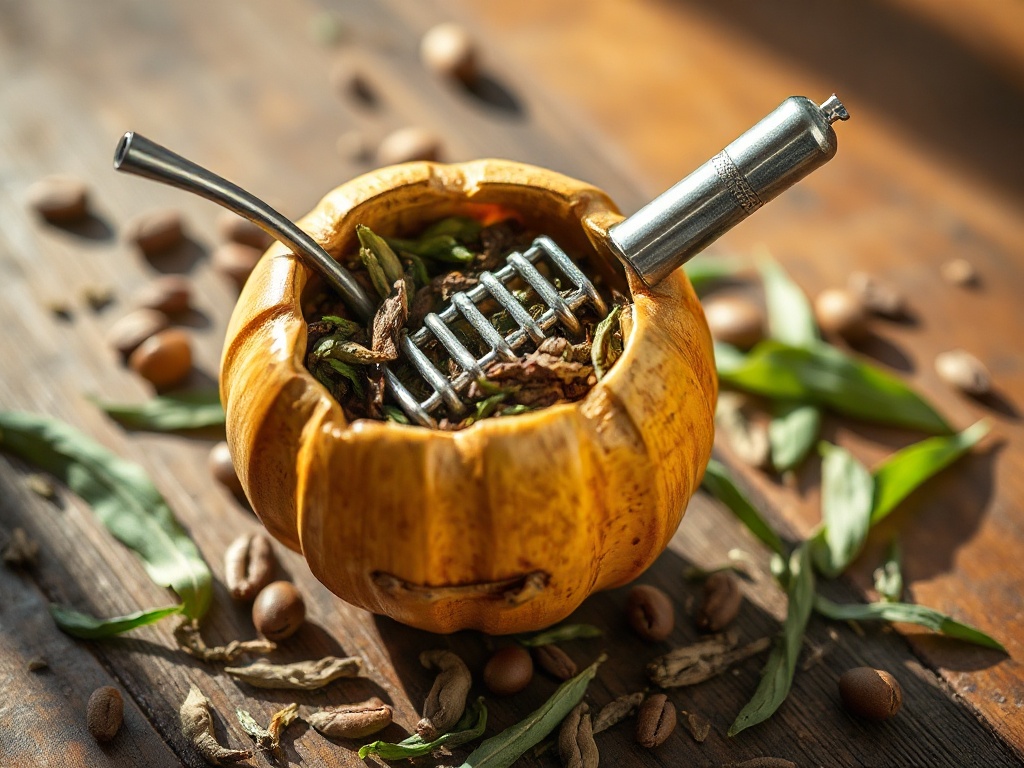
The flavor profile tastes extremely grassy and fresh with sweetness and minimal bitterness. Chimarrão requires different preparation than Argentine mate—you add warm (not hot) water at 60-70°C to prevent bitterness and preserve the delicate vegetal notes. The fine powder creates rich, creamy texture unlike the clearer infusions from coarser Argentine cuts. Barão chimarrão suits those seeking the purest expression of yerba mate's natural flavor without smoke, stems, or aging influence. Traditional preparation uses a wide-mouthed cuia (gourd) and bomba (special bombilla with fine filter) designed for the powder consistency.
Ximango — Premium Brazilian Quality
Ximango represents premium Brazilian chimarrão with exceptional powder fineness and bright, sweet flavor. This brand sources from high-altitude plantations in Santa Catarina where cooler temperatures slow leaf growth and concentrate flavor compounds. Ximango undergoes minimal aging—typically just 30-60 days—preserving maximum freshness and vibrant green color.
The taste emphasizes fresh-cut grass, green vegetables, and slight floral sweetness with almost no bitterness. Ximango creates the thickest, most persistent foam of any chimarrão brand, indicating superior powder quality and freshness. The intense chlorophyll content delivers remarkable energy boost without jitters, making this brand popular with Brazilian students and professionals. Ximango costs more than standard chimarrão brands but delivers noticeable quality improvement that serious chimarrão drinkers appreciate.
How Do You Choose the Right Yerba Mate Brand for Your Taste?
Selecting the ideal yerba mate brand requires understanding your flavor preferences, caffeine tolerance, and intended preparation method.
Start by assessing your bitterness tolerance. If you drink black coffee and enjoy hoppy IPAs, you'll likely appreciate bold Argentine brands like Rosamonte or traditional Cruz de Malta. If you typically add cream and sugar to coffee or prefer green tea over black tea, begin with mild brands like Canarias, CBSé, or Guayakí Traditional. Your taste preferences for other beverages strongly predict which mate styles you'll enjoy.
| Taste Profile | Best Brand Match | Characteristics | Caffeine Level |
|---|---|---|---|
| Mild, smooth, grassy | Canarias, Guayakí | High stem content, air-dried, gentle bitterness | Medium (70-85 mg per serving) |
| Balanced, traditional | Cruz de Malta, La Merced | Con palo cut, 12-month aged, moderate intensity | Medium-High (85-100 mg per serving) |
| Bold, earthy, robust | Rosamonte, Taragüí | High leaf content, smoke-dried, intense flavor | High (100-120 mg per serving) |
| Sweet, fruity, aromatic | CBSé varieties | Flavored blends, smooth base, natural fruit additions | Medium (75-90 mg per serving) |
| Pure, vegetal, fresh | Barão, Ximango chimarrão | Ultra-fine powder, pure leaf, minimal processing | Very High (110-130 mg per serving) |
Consider your preparation method when selecting brands. Traditional gourd and bombilla preparation works best with standard Argentine cuts that won't clog the bombilla filter. French press or tea infuser methods accommodate any cut style. Chimarrão requires Brazilian ultra-fine powder and specialized equipment—standard Argentine mate won't produce proper chimarrão texture. Cold brewing for tereré works excellently with any brand but particularly suits milder varieties like CBSé or Canarias that emphasize refreshing rather than robust character.
Budget significantly impacts brand accessibility. Premium artisanal brands like Meta Mate cost $25-40 per kilogram while standard supermarket brands like Cruz de Malta or La Merced cost $8-15 per kilogram. Calculate cost per serving rather than package price—high-quality mate maintains flavor through 5-10 infusions while inferior brands lose character after 2-3 refills. One kilogram of yerba mate yields approximately 60-80 servings depending on gourd size and preparation style.
What Processing Methods Affect Yerba Mate Quality?
Processing methods dramatically influence yerba mate's final flavor, color, and chemical composition. The journey from fresh leaves to packaged yerba involves multiple steps where quality brands distinguish themselves through careful technique and time investment.
Harvesting and Primary Processing
Premium yerba mate comes from mature leaves harvested during the plant's active growing season between April and September in South America. Traditional harvesters called tareferos manually select branches with optimal leaf maturity, leaving sufficient foliage for plant recovery. Sustainable harvesting practices limit collection to 30-50% of each tree's leaves, ensuring the plant thrives for decades of continued production.
Immediately after harvest, leaves undergo sapecá—rapid exposure to direct flame or very hot air that halts enzymatic oxidation and preserves green color. This process takes just 20-30 seconds but requires precise temperature control around 400-500°C. Proper sapecá creates the characteristic toasted aroma without burning leaves or introducing excessive smokiness. The quick heat exposure also reduces moisture content from approximately 60% to 25%, preventing mold growth during subsequent processing stages.
Drying Methods: Smoke vs. Air
Traditional yerba mate undergoes smoke-drying over hardwood fires, creating the distinctive smoky, campfire-like flavor many associate with authentic South American mate. This process takes 8-12 hours as leaves slowly dehydrate in smoke chambers called barbacuás. The smoke contributes flavor compounds and antimicrobial properties that extend shelf life. However, concerns about polycyclic aromatic hydrocarbons (PAHs) from smoke exposure have led some brands to exclusively use air-drying methods.
Air-dried yerba mate (sin humo or unsmoked) uses temperature-controlled chambers where hot air circulates around the leaves for 12-24 hours. This method preserves brighter green color, cleaner vegetal flavor, and higher vitamin C content. According to studies published in PubMed, air-dried mate contains negligible PAH levels while maintaining full antioxidant benefits. Modern health-conscious brands increasingly favor air-drying, though traditional mate enthusiasts often prefer the complex flavor smoke contributes.
Aging and Estacionamiento
After drying, quality yerba mate undergoes estacionamiento (aging) in controlled environments for 6-24 months. During this period, leaves rest in large bags or bins where natural enzymatic processes mellow harsh flavors and develop complexity. The aging process resembles wine or cheese maturation—time transforms sharp, grassy notes into deeper, rounder, more harmonious flavors. Premium brands like Cruz de Malta age mate for 12-18 months, while budget brands may package immediately after drying with minimal aging.
Proper aging facilities maintain 15-20°C temperatures and 60-70% humidity. These conditions allow controlled oxidation without spoilage. Well-aged yerba mate tastes smoother with less bitterness and more subtle sweetness compared to fresh mate. The color shifts from bright green toward olive or brownish-green. Some artisanal producers age mate for 24+ months, creating rare expressions with exceptional depth and mellow character that command premium prices.
How Do You Properly Store Yerba Mate to Maintain Freshness?
Proper storage preserves yerba mate's flavor, aroma, and beneficial compounds for months after opening. Yerba mate remains shelf-stable for 12-18 months unopened but begins degrading once exposed to air, light, and moisture. Store yerba mate in an airtight container away from direct sunlight, heat, and strong odors to maintain optimal freshness for 2-3 months after opening.
Transfer yerba from its original package to an opaque, airtight container immediately after opening. Glass jars with rubber gasket seals, stainless steel tins, or food-grade plastic containers with snap lids all work excellently. Avoid clear containers that allow light exposure—UV radiation degrades chlorophyll and oxidizes beneficial polyphenols. Keep containers in a cool pantry or cabinet at room temperature. Refrigeration isn't necessary and can introduce condensation that damages mate's texture and flavor.
Never store yerba mate near spices, coffee, or other aromatic foods. Yerba mate readily absorbs surrounding odors, which will contaminate its delicate vegetal flavor. The fine powder and small particles provide enormous surface area for moisture and scent absorption. Some traditional mate drinkers use dedicated mate storage containers that have absorbed years of mate essence, which they believe enhances new batches through flavor transfer.
Monitor your stored yerba for freshness indicators. Quality mate should smell vegetal, grassy, and slightly sweet—never musty, moldy, or off-putting. The color should remain consistent with its original shade, whether bright green for unsmoked mate or darker olive for smoked varieties. Clumping indicates moisture exposure and compromises quality. If mate develops mold (white or black spots), discard the entire container—mold spores spread throughout the product even if visible growth appears localized. Following proper storage and brewing guidelines from resources like BellofattoBrews ensures every serving delivers full flavor and benefits.
People Also Ask
Does yerba mate have more caffeine than coffee?
Yerba mate contains approximately 85 mg of caffeine per 8 oz serving, slightly less than coffee's 95-100 mg. However, mate also contains theobromine and theophylline, which create balanced energy without coffee's jitters or crash.
Why does my yerba mate taste bitter?
Excessive bitterness comes from water that's too hot, over-steeping, or low-quality mate with excessive dust. Use 70-80°C water for smooth flavor. Brands with higher stem content like Canarias taste less bitter than pure leaf varieties.
Can I reuse yerba mate leaves?
Yes. Quality yerba mate maintains flavor for 5-10 refills in the same session. Add hot water each time the gourd empties. The flavor mellows and sweetens with successive refills. Discard mate after your drinking session ends.
Expert Verdict: Best Yerba Mate Brand for Most People
For most yerba mate drinkers, Cruz de Malta delivers the best combination of authentic flavor, consistent quality, and accessible price. This Argentine standard-bearer represents traditional mate culture at its finest—balanced bitterness, smooth body, and reliable performance through multiple infusions. The con palo cut creates forgiving preparation that suits both beginners and experienced mate drinkers. For those seeking organic certification and sustainable sourcing, Guayakí Traditional offers comparable quality with verified environmental and social impact. If budget isn't a concern and you want artisanal excellence, Meta Mate's single-origin varieties provide the ultimate expression of South American yerba mate terroir. Your personal taste preferences determine the perfect brand, but these three represent different quality tiers that consistently satisfy mate enthusiasts worldwide.
Article Summary
- The best yerba mate brands include Cruz de Malta for traditional Argentine flavor, Guayakí for organic sustainability, Canarias for smooth mildness, Rosamonte for bold intensity, and Meta Mate for artisanal quality.
- Processing methods dramatically affect flavor: smoke-dried mate delivers robust, earthy character while air-dried varieties taste cleaner and grassier with higher vitamin retention and no PAH concerns.
- Argentine mate uses con palo (with stems) or sin palo (pure leaf) cuts, while Brazilian chimarrão uses ultra-fine powder creating distinct foamy texture and intense vegetal flavor.
- Organic certification matters for yerba mate because plants absorb compounds from soil and air; shade-grown forest mate contains 23% higher polyphenol levels than plantation varieties.
- Proper storage in airtight, opaque containers away from light, heat, and moisture preserves yerba mate's flavor and beneficial compounds for 2-3 months after opening.
Frequently Asked Questions
They contain no pesticide residues or smoke-derived PAHs while maintaining full antioxidant benefits. Air-dried mate preserves maximum vitamin C and polyphenol content compared to smoke-dried varieties.
How much yerba mate should I drink daily?
This delivers 85-250 mg caffeine, comparable to 1-3 cups of coffee. Start with one serving and increase gradually based on your caffeine tolerance.
Can I drink yerba mate before bed?
Avoid yerba mate within 4-6 hours of bedtime due to its 85 mg caffeine content per serving. Caffeine's half-life is 5-6 hours, meaning half remains in your system hours after consumption.
What's the difference between loose yerba mate and tea bags?
Loose yerba mate offers superior flavor, multiple infusions, and traditional preparation experience. Tea bags contain finer particles that brew quickly but lose flavor after one infusion. Loose mate costs less per serving despite higher upfront investment in gourd and bombilla.
Does yerba mate expire or go bad?
Unopened yerba mate stays fresh for 12-18 months stored properly. Once opened, consume within 2-3 months for optimal flavor. Mate doesn't spoil like dairy but loses aroma, color, and beneficial compounds over time. Discard if mold develops or smell turns musty.
Why is some yerba mate green and some brown?
Color indicates processing method and age. Air-dried mate stays bright green, smoke-dried mate turns olive-brown, and aged mate darkens further over time. Green mate tastes vegetal and grassy, brown mate tastes earthier and mellower. Both colors indicate quality when fresh-smelling.
This article was produced by an automated research tool. Content is for informational purposes only and should not replace professional advice. Nothing here is medical advice, and it is not a substitute for it. Talk to a doctor about anything affecting your health. Product and resource links throughout this article are included for informational value based on relevance and quality. WhichBrewForYou has no affiliate relationship with any linked third-party site and receives no commission from any recommended products or brands. BellofattoBrews (coffee and tea) and Golden Hive Mead (mead kits and resources) are personal recommendations from this publication's founder and have no affiliation with WhichBrewForYou.