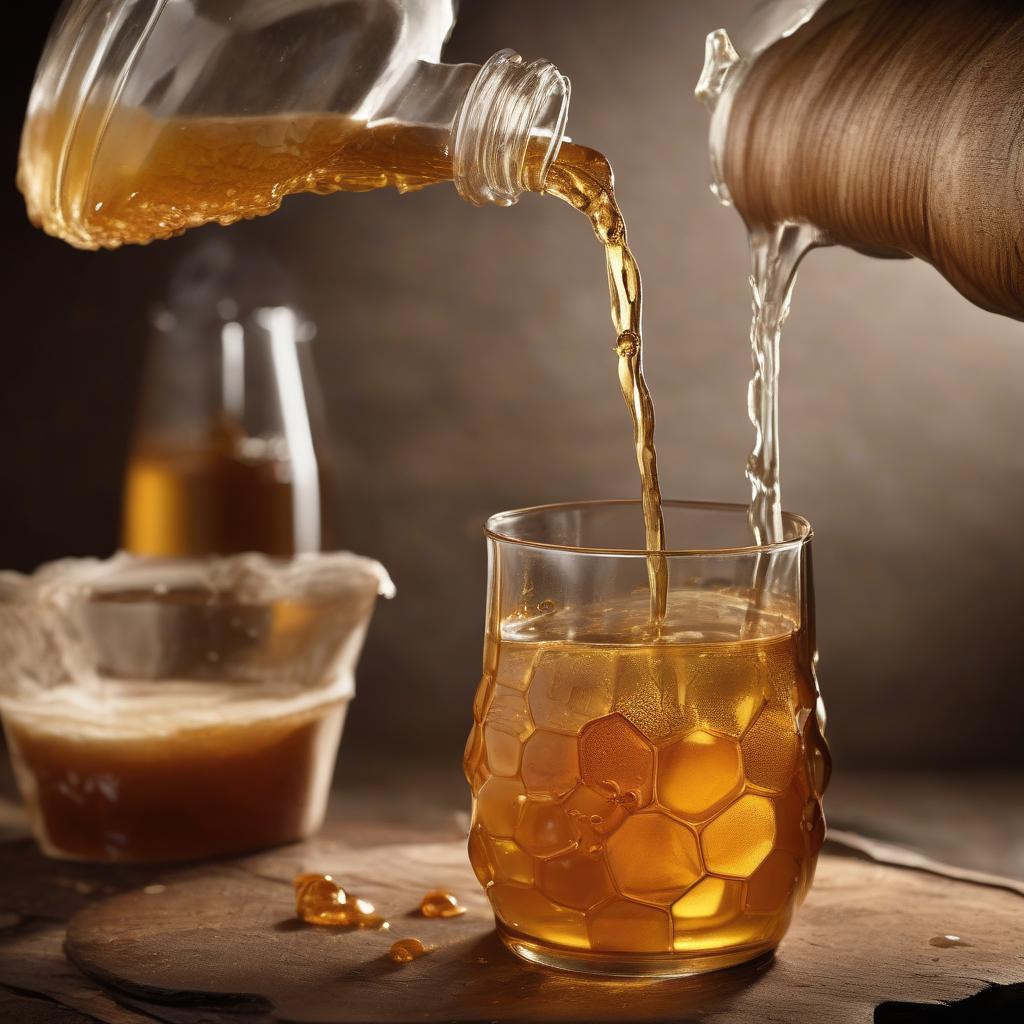
Key Takeaways
- Mead is made from just three ingredients: honey, water, and yeast, with optional spices, fruits, or hops added for variety.
- Fermentation takes 2-6 weeks for basic meads, but aging for 6-12 months develops complexity and smoothness.
- Mead's alcohol content ranges from 8-20% ABV depending on the honey-to-water ratio and fermentation style.
- There are over a dozen recognized mead styles including traditional, melomel (fruit), metheglin (spiced), and cyser (apple).
- One pound of honey produces approximately one bottle of mead, making honey selection critical to final flavor.
What Exactly Is Mead?
Mead is an alcoholic beverage produced through the fermentation of honey mixed with water. Unlike beer, which ferments grain starches, or wine, which ferments grape sugars, mead derives all its fermentable sugars directly from honey. The Beer Judge Certification Program officially classifies mead as its own beverage category, distinct from beer and wine, with standardized style guidelines used in competitions worldwide.
The simplest traditional mead—called a "show mead"—contains only honey, water, and yeast. This pure expression highlights the specific floral characteristics of the honey source. Variations incorporate fruits (melomel), spices (metheglin), hops (braggot), or other ingredients, creating dozens of recognized substyles. The defining characteristic of any mead is that honey, not grain or fruit, provides the majority of fermentable sugars.
Mead's alcohol content typically ranges from 8-14% ABV for session meads and standard strength meads, up to 14-20% ABV for sack meads (high-gravity versions). According to research published in the Journal of Food Science, mead's chemical composition closely resembles wine, with similar pH levels (3.2-4.0), but contains distinct phenolic compounds derived from honey rather than grapes.
Related: Best Brewing Methods for Coffee at Home | WhichBrewForYou
What Does Mead Taste Like?
Mead's flavor profile depends entirely on the honey variety used as the base. Wildflower honey produces a complex, floral mead with layered sweetness. Orange blossom honey creates a citrus-forward, bright character. Buckwheat honey yields a dark, earthy, almost malty mead. According to Golden Hive Mead's honey variety guide, over 300 distinct honey varietals exist globally, each imparting unique flavor signatures to the finished mead.
Traditional dry meads taste similar to white wines—crisp, slightly acidic, with honey aromatics rather than grape tannins. Semi-sweet meads balance honey sweetness with fermentation dryness, comparable to an off-dry Riesling. Sweet meads and sack meads retain substantial residual honey sugars, tasting like dessert wines or liqueurs. A well-made mead should never taste cloying or one-dimensional—complexity and balance separate great mead from simple fermented honey water.
Mouthfeel ranges from light and effervescent in carbonated session meads to full-bodied and viscous in sack meads. Proper aging smooths any harsh alcohol notes and integrates flavors. The GotMead flavor wheel identifies 12 primary flavor categories in mead including floral, fruity, spicy, woody, caramelized, and oxidized notes.
How Is Mead Made? The Complete Fermentation Process
Making mead follows five fundamental steps: must preparation, fermentation, racking, aging, and bottling. The entire process takes 3-12 months depending on desired style and complexity.
Step 1: Must Preparation — Mixing Honey and Water
Mead production begins by creating the "must"—the mixture of honey and water before fermentation. The honey-to-water ratio determines the final alcohol content and sweetness level. A standard ratio uses 3 pounds of honey per gallon of water, producing approximately 12-14% ABV. According to American Homebrewers Association guidelines, adjusting this ratio up to 5 pounds per gallon creates sack mead (18-20% ABV), while reducing to 1.5 pounds per gallon produces session mead (4-7% ABV).
The honey is dissolved completely in room-temperature or lukewarm water. Heating honey above 140°F destroys delicate aromatic compounds and volatile esters that contribute to mead's flavor complexity. Many commercial meaderies use a "no-heat" method, stirring honey into water at 70-90°F until fully dissolved—a process taking 15-30 minutes with vigorous mixing.
Step 2: Nutrient Addition and pH Adjustment
Honey contains minimal nitrogen and essential nutrients that yeast requires for healthy fermentation. Without supplementation, fermentation stalls or produces off-flavors. Meadmakers add yeast nutrients (diammonium phosphate, yeast hulls, and organic nitrogen sources) in a staggered schedule throughout fermentation. Research from Food Chemistry demonstrates that proper nutrient management reduces fermentation time by 40% and eliminates common off-flavors like hydrogen sulfide.
Honey's natural pH (3.9-4.2) falls within the ideal yeast fermentation range. However, some meadmakers adjust pH to 3.7 using acid blends or lemon juice to prevent bacterial contamination and enhance flavor brightness. Proper must preparation accounts for 70% of final mead quality—cutting corners here produces inferior mead regardless of fermentation skill.
Step 3: Yeast Pitching and Primary Fermentation
Once the must reaches 65-75°F, rehydrated yeast is pitched (added). Wine yeasts are standard for mead production—strains like Lalvin D-47, EC-1118, and 71B-1122 tolerate high alcohol, ferment honey cleanly, and produce desirable ester profiles. Ale yeasts work for lower-alcohol session meads and braggots. According to Meadist's yeast selection guide, yeast choice influences final flavor more than any other single variable besides honey variety.
Primary fermentation lasts 2-6 weeks at controlled temperatures (60-70°F for most strains). During this phase, yeast converts honey sugars into ethanol and CO2. Vigorous fermentation produces a thick foam cap on the must surface, gradually subsiding as sugars deplete. Fermentation is complete when specific gravity readings stabilize for three consecutive days—typically 0.990-1.020 depending on desired residual sweetness.
Step 4: Racking and Clarification
After primary fermentation completes, mead is "racked"—transferred off the sediment layer (lees) into a clean vessel. Leaving mead on dead yeast cells longer than 4-6 weeks produces autolysis off-flavors (rubbery, meaty notes). Most meadmakers rack 2-3 times during the aging process, each time leaving sediment behind.
Clarification occurs naturally over 3-6 months as suspended particles settle. Commercial operations use fining agents (bentonite, chitosan, or isinglass) or filtration to accelerate clarification to 2-4 weeks. Golden Hive Mead's clarification guide notes that patience produces clearer mead than forced clarification, which can strip desirable flavor compounds.
Step 5: Aging, Stabilization, and Bottling
Mead aging takes 6-12 months for traditional meads, 3-6 months for melomels and metheglins. During aging, harsh alcohol notes mellow, flavors integrate, and complexity develops. Young mead often tastes "hot" (alcoholic burn) and one-dimensional. Aged mead becomes smooth, balanced, and layered. The ancient rule "mead is ready when you forget you made it" remains surprisingly accurate—most meads improve dramatically between 9-18 months of age.
Before bottling, mead is stabilized using potassium sorbate and potassium metabisulfite to prevent refermentation in the bottle. This step is critical for sweet and semi-sweet meads retaining residual sugars. Dry meads with no remaining fermentable sugars can skip chemical stabilization. Carbonated meads are either force-carbonated or bottle-conditioned with precise sugar additions before capping.
| Mead Style | Honey Amount (per gallon) | Expected ABV | Fermentation Time | Aging Time |
|---|---|---|---|---|
| Session Mead (Hydromel) | 1.5 lbs | 4-7% | 2-3 weeks | 1-2 months |
| Traditional (Show Mead) | 3 lbs | 12-14% | 3-6 weeks | 6-12 months |
| Sack Mead | 4-5 lbs | 16-20% | 6-12 weeks | 12-24 months |
| Melomel (Fruit) | 2.5-3 lbs + fruit | 10-14% | 4-8 weeks | 4-8 months |
| Metheglin (Spiced) | 3 lbs + spices | 12-14% | 3-6 weeks | 3-6 months |
What Are the Main Types of Mead?
The BJCP mead style guidelines recognize 28 distinct mead categories. The primary classifications divide by ingredients and production method:
Traditional Mead (Show Mead)
Traditional mead contains only honey, water, and yeast—no additives. This purist style showcases honey's natural flavor characteristics. Varietal traditional meads specify the honey source: orange blossom traditional, clover traditional, buckwheat traditional. Traditional mead serves as the benchmark for judging mead quality because it reveals any fermentation flaws or poor ingredient selection with nowhere to hide.
Melomel — Fruit Mead
Melomel incorporates fruit during or after fermentation. Common melomels include cyser (apple), pyment (grape), berry melomel (strawberry, blueberry, raspberry), and stone fruit melomel (peach, cherry). According to GotMead's melomel production guide, fruit additions typically constitute 1-3 pounds per gallon for flavor balance. Fruit adds fermentable sugars, acidity, tannins, and color complexity.
Metheglin — Spiced Mead
Metheglin contains herbs, spices, or botanicals. Common additions include cinnamon, vanilla, ginger, cardamom, hibiscus, and rose petals. Historical metheglins served medicinal purposes—the word derives from Welsh "meddyglyn" meaning healing liquor. Modern craft metheglins range from subtle (light vanilla notes) to bold (chai-spiced or chili-pepper hot meads).
Braggot — Mead-Beer Hybrid
Braggot ferments honey and malted grain together, creating a mead-beer hybrid. The honey-to-malt ratio determines whether braggot leans toward mead character (honey-forward) or beer character (malt-forward). Braggots often include hops for bitterness and aroma, making them appeal to beer drinkers unfamiliar with pure mead.
Acerglyn — Maple Mead
Acerglyn substitutes maple syrup for a portion of honey, creating unique earthy sweetness. This style gained popularity in northeastern US regions with abundant maple production. The maple-to-honey ratio must remain balanced—too much maple overpowers honey's delicate florals.
Bochet — Caramelized Honey Mead
Bochet uses caramelized honey, created by heating honey to 240-280°F before mixing with water. Caramelization develops toffee, butterscotch, and toasted marshmallow notes. Bochet ranks among the most complex mead styles but requires careful temperature control—burning honey produces acrid off-flavors.
Related: How to Brew Loose Leaf Tea Correctly — Expert Guide
Why Is Mead Called "The Drink of the Gods"?
Mead's mythological significance spans virtually every ancient culture. In Norse mythology, the "Mead of Poetry" granted wisdom and eloquence to those who drank it. Greek mythology described ambrosia and nectar—likely honey-based fermented beverages—as the food and drink of Olympian gods. The Journal of Archaeological Science identifies residues of fermented honey beverages in 9,000-year-old pottery from Northern China, making mead older than written language.
The term "honeymoon" derives from medieval European tradition where newlyweds drank honey wine for one full moon cycle (approximately one month) after marriage. This practice supposedly ensured fertility and marital happiness. Anglo-Saxon warriors consumed mead from ceremonial drinking horns before battle. Mead's cultural importance transcended mere intoxication—it symbolized celebration, ritual, heroism, and divine connection across pre-modern societies.
According to the American Mead Makers Association, mead production declined sharply after the 16th century as beer brewing industrialized and became cheaper. Grape wine also displaced mead among European aristocracy. Mead survived primarily in Ethiopia (where t'ej mead remains the national beverage) and Eastern Europe. The modern mead revival began in the 1990s with craft beverage movements and accelerated dramatically in the 2020s.
How Long Does Mead Take to Make From Start to Finish?
The complete mead production timeline spans 3-18 months depending on style and desired quality:
- Must preparation: 1-2 hours to dissolve honey, add nutrients, and pitch yeast.
- Primary fermentation: 2-6 weeks for yeast to convert sugars to alcohol.
- Racking and clarification: 2-8 weeks for sediment to settle between rackings.
- Aging: 3-12 months for flavor integration and maturation.
- Bottling and conditioning: 2-4 weeks for carbonation (if bottle-conditioning) or immediate drinking (if still mead).
Session meads and light melomels reach drinkability in 2-4 months. Traditional meads require 9-12 months minimum for optimal flavor. Sack meads and bochets benefit from 18-24 months of aging. Research published in Food Chemistry demonstrates that mead's phenolic complexity increases linearly for the first 18 months of aging, then plateaus.
Commercial meaderies operate on staggered production schedules, always aging previous batches while fermenting new ones. Homebrewers making their first mead should plan for 6-month minimum wait times before achieving truly excellent results. Impatience remains the most common mead-making mistake—young mead tastes harsh, one-dimensional, and alcoholic compared to properly aged versions of the same batch.
People Also Ask About Mead
Is Mead Stronger Than Wine?
Mead and wine have comparable alcohol ranges (8-16% ABV typically), but sack meads reach 18-20% ABV, higher than most table wines. Session meads fall below wine at 4-7% ABV. Strength depends entirely on the honey-to-water ratio and yeast tolerance, not on any inherent property of honey versus grapes.
Does Mead Need to Be Refrigerated?
Finished, stabilized mead does not require refrigeration. Like wine, mead stores at room temperature (55-70°F) indefinitely once fermentation completes and stabilizers are added. Open bottles should be refrigerated and consumed within 5-7 days. Unpasteurized mead without stabilizers must stay refrigerated to prevent refermentation.
Why Is Mead So Expensive Compared to Wine?
Honey costs significantly more than grapes or grain. Three pounds of quality honey ($20-45) produces one gallon of mead versus grapes at $10-20 per gallon of wine. Labor-intensive honey production and longer aging times further increase mead prices. Craft mead typically costs $18-35 per bottle versus $8-20 for comparable wine.
What Equipment Do You Need to Make Mead at Home?
Mead-making requires minimal specialized equipment compared to beer brewing. Golden Hive Mead's beginner equipment guide recommends the following essential items:
- Primary fermenter: 1-gallon glass jug or 5-gallon plastic bucket with airlock.
- Airlock and bung: Allows CO2 to escape while preventing oxygen and contaminants from entering.
- Hydrometer or refractometer: Measures sugar content and tracks fermentation progress.
- Racking cane and tubing: Siphons mead off sediment without disturbing lees.
- Sanitizer: Star San or Iodophor to sanitize all equipment before use—contamination ruins entire batches.
- Auto-siphon (optional): Makes racking easier and reduces oxygen exposure.
- Bottles and caps or corks: Wine bottles with corks for still mead, beer bottles with caps for carbonated mead.
Total startup cost for a 1-gallon mead kit runs $35-60. Five-gallon setups cost $80-120. According to the American Homebrewers Association, mead-making requires less equipment investment than beer brewing (no boiling kettles, wort chillers, or temperature-controlled fermentation chambers needed for basic batches).
Sanitation determines success or failure in mead-making—every surface touching the must or mead must be thoroughly sanitized before use. Bacterial or wild yeast contamination produces vinegar, mold, or undrinkable off-flavors. Professional meaderies follow pharmaceutical-grade sanitation protocols. Homebrewers must adopt equally rigorous standards for consistent quality.
What Is the Nutritional Profile of Mead?
A 5-ounce serving of traditional mead contains approximately:
- Calories: 150-200 (varies by residual sweetness and ABV)
- Carbohydrates: 12-25g (from residual honey sugars)
- Protein: 0.3-0.5g
- Alcohol: 12-14g (in 12-14% ABV mead)
- Sugars: 10-22g depending on dry vs. sweet style
According to USDA FoodData Central, mead retains trace amounts of B vitamins, potassium, and antioxidants from honey, though fermentation depletes most nutrients. Dry meads contain fewer calories and carbohydrates than sweet meads due to more complete sugar fermentation.
Research published in the Journal of Agricultural and Food Chemistry identifies phenolic antioxidants in mead including gallic acid, caffeic acid, and flavonoids—compounds associated with honey's health properties. However, alcohol content offsets potential health benefits. Mead should be consumed in moderation as an occasional beverage, not as a health supplement.
For individuals monitoring blood sugar, mead's glycemic impact varies widely by style. Dry meads with complete sugar fermentation cause minimal blood glucose spikes. Sweet meads and sack meads with high residual sugars affect blood glucose similarly to dessert wines. According to Mayo Clinic guidelines, people with diabetes should treat mead as a high-glycemic alcoholic beverage requiring careful portion control.
How Should Mead Be Served and Stored?
Traditional mead serves at cellar temperature (55-60°F), similar to white wine. Serving mead too cold (below 45°F) mutes delicate honey aromatics and floral notes. Serving too warm (above 65°F) emphasizes alcohol harshness. Session meads and carbonated meads serve colder (45-50°F) for refreshment.
Mead pours into wine glasses, tulip glasses, or goblets. Proper glassware concentrates aromatics at the rim. According to Meadist's serving recommendations, swirling mead in the glass before sipping releases volatile compounds that carry honey's distinct floral character.
Unopened mead bottles store horizontally in a cool, dark location (55-70°F) away from direct sunlight. UV exposure degrades flavor compounds and causes oxidation. Properly stored mead remains stable for 3-5 years minimum, with many traditional and sack meads improving for 10+ years. Melomels and metheglins peak earlier (2-4 years) due to fruit and spice flavors fading over extended aging.
Opened mead bottles should be recorked tightly and refrigerated, consumed within 5-7 days for optimal flavor. Oxidation begins immediately upon opening, gradually converting mead's bright honey notes to flat, cardboard-like flavors. Vacuum wine stoppers extend opened mead shelf life to 10-14 days by removing oxygen from the bottle headspace.
Expert Verdict: Why Mead Deserves a Place in Modern Beverage Culture
Mead represents the perfect convergence of ancient tradition and modern craft beverage innovation. Its accessibility for home production—requiring no boiling, no complex equipment, and minimal space—makes it ideal for beginners. Simultaneously, mead's flavor complexity and aging potential rival fine wines, satisfying experienced enthusiasts seeking new challenges. The explosion of honey varietals, experimental yeast strains, and creative adjunct combinations in the craft mead movement has transformed this 9,000-year-old beverage into one of the most innovative categories in fermentation. Whether you're drawn to mead's mythological heritage, its pure expression of terroir through honey, or simply its unique flavor profile unavailable in any other beverage, mead offers something genuinely distinctive in an increasingly homogenized drinks landscape. For anyone interested in fermentation, local agriculture, or artisanal beverages, exploring mead—either as a maker or drinker—opens an entire world of flavor possibilities rooted in humanity's oldest brewing tradition.
Article Summary: What Is Mead and How Is It Made
- Mead is an alcoholic beverage created by fermenting honey with water and yeast, producing 8-20% ABV depending on the honey-to-water ratio used.
- The basic mead-making process involves dissolving honey in water, adding yeast nutrients, fermenting for 2-6 weeks, racking off sediment, and aging for 6-12 months before drinking.
- Traditional mead contains only honey, water, and yeast, while variations include melomel (fruit), metheglin (spices), cyser (apple), braggot (malt), and bochet (caramelized honey).
- Mead tastes similar to wine with distinct honey aromatics—flavor profiles range from dry and crisp to sweet and dessert-like depending on residual sugar levels and honey variety.
- Archaeological evidence dates mead production to over 9,000 years ago, making it humanity's oldest fermented beverage and a central element of mythology across Norse, Greek, and Celtic cultures.
Frequently Asked Questions
Can You Make Mead Without Adding Yeast?
Mead requires yeast to ferment honey sugars into alcohol. While wild yeasts naturally present in honey could theoretically ferment mead, results are unpredictable and often produce off-flavors or fail completely. Modern meadmakers always pitch commercial yeast strains for consistent, clean fermentation.
How Much Honey Does It Take to Make One Bottle of Mead?
One bottle of mead requires approximately 0.6-1 pound of honey depending on desired strength and sweetness. A standard 3-pound-per-gallon recipe yields five 750ml bottles, using 0.6 pounds per bottle. Sack meads use up to 1 pound of honey per bottle for high alcohol and residual sweetness.
Is Mead Gluten-Free?
Traditional mead, melomel, metheglin, cyser, and acerglyn are completely gluten-free as they contain no grain ingredients. Braggot contains malted barley or wheat and is not gluten-free. Always verify labels for unexpected adjuncts if you require strict gluten avoidance.
Why Does My Homemade Mead Taste Like Rubbing Alcohol?
Hot alcohol taste indicates insufficient aging, fermentation temperatures too high (above 75°F), or inadequate yeast nutrients causing stressed fermentation. Age the mead 6-12 additional months—harshness almost always mellows with time. Future batches should control fermentation temperature and follow proper nutrient schedules.
Can Mead Go Bad or Spoil?
Properly stabilized mead with 10%+ ABV cannot spoil due to alcohol's preservative properties. However, mead can oxidize (turning brown and cardboard-flavored), develop acetic acid (vinegar taste from bacterial contamination), or referment if not adequately stabilized. Sanitation and proper bottling prevent all these issues.
What Is the Difference Between Mead and Honey Beer?
Mead ferments honey as the primary sugar source, while honey beer ferments malted grain with honey added for flavor. If honey provides more than 50% of fermentable sugars, the beverage is mead (specifically braggot). If grain malt provides the majority, it's honey beer or honey ale.
You Might Also Like
This article was produced by an automated research tool. Content is for informational purposes only and should not replace professional advice. Product and resource links throughout this article are included for informational value based on relevance and quality. WhichBrewForYou has no affiliate relationship with any linked third-party site and receives no commission from any recommended products or brands. BellofattoBrews (coffee and tea) and Golden Hive Mead (mead kits and resources) are personal recommendations from this publication's founder and have no affiliation with WhichBrewForYou.